Installation Guide: How to Properly Install and Maintain Magnetic Plastic Door Curtains
In the demanding environments of modern manufacturing, logistics, and food processing, facility managers and procurement specialists are tasked with optimizing operational efficiency while stringently managing costs. Industrial magnetic plastic door curtains have emerged as a cornerstone technology for achieving these dual objectives. They offer a superior solution for environmental separation, energy conservation, and workflow enhancement compared to traditional barriers.
This comprehensive guide provides an in-depth, technical walkthrough for the proper specification, installation, and maintenance of heavy-duty magnetic vinyl curtains. It is designed to equip B2B decision-makers with the knowledge to maximize their return on investment and integrate these solutions seamlessly into their facilities.
Understanding the Core Advantage: Why Magnetic Seals Outperform Traditional Barriers
The Science of a Hands-Free Seal: How Self-Closing Magnetic Strips Work
Unlike gravity-fed strips that hang passively, magnetic PVC strip curtains incorporate industrial-grade neodymium or ferrite magnets hermetically sealed along the vertical edges of each strip. When a person or vehicle passes through, the strips part easily and then automatically and instantly draw back together, creating a complete, overlapping seal. This hands-free mechanism ensures the integrity of the environmental barrier is maintained without reliance on manual intervention, a critical factor in high-traffic zones.
Performance Gap Analysis: Comparing magnetic vinyl strip doors to Gravity-Fed Strips
Traditional hook-on strips are prone to failure. Air pressure differentials, drafts from loading docks, or simple wear can cause them to hang askew, leaving significant gaps. These gaps lead directly to energy loss, contaminant ingress, and reduced efficiency. Magnetic systems eliminate these issues by actively pulling the strips into a tight, overlapping configuration, ensuring a reliable seal after every single pass-through.
Key Components of a High-Performance System: Strips, Magnets, and Mounting Hardware
Procuring a high-performance system requires evaluating its core components as an integrated unit: PVC strips (grade, thickness, profile), embedded magnets (strength, sealing), and mounting hardware (material, style). A cohesive system ensures longevity and peak performance.
The Science Behind the Material: Choosing the Right PVC, Vinyl, or Plastic
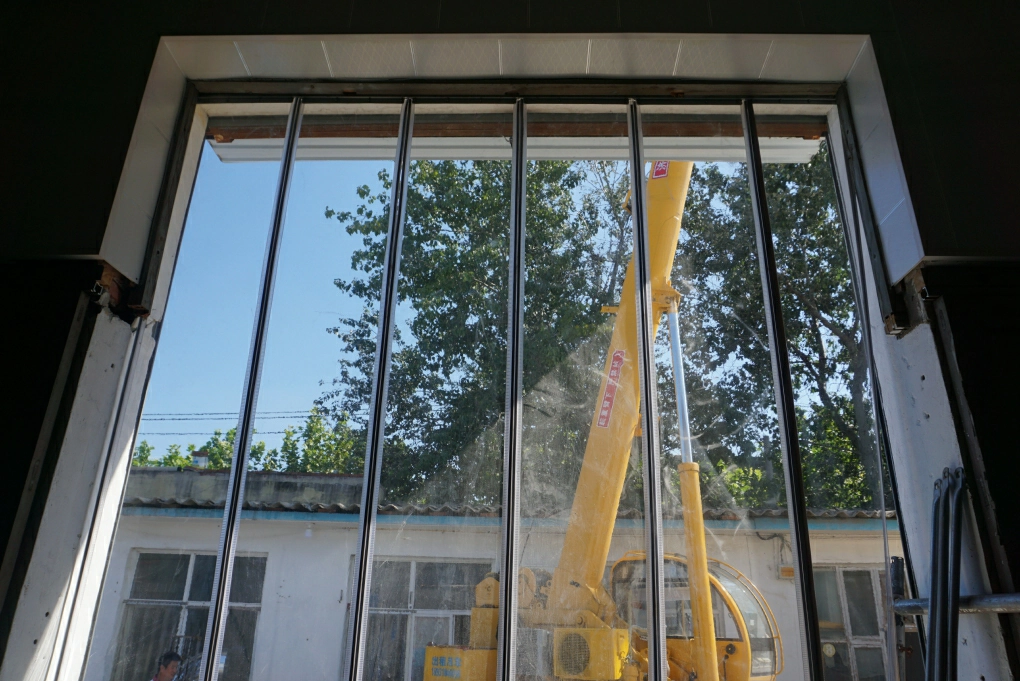
Material Decision Matrix: Standard vs. Low-Temp (Polar Grade) magnetic PVC curtains
The primary decision factor is the operational temperature range. Standard Grade PVC is for ambient environments (0°F to 150°F), while Low-Temp (Polar) Grade PVC is mandatory for sub-zero conditions down to -40°F/C to prevent the material from becoming brittle and cracking.
The Critical Role of Strip Thickness and Overlap in High-Traffic Industrial Zones
For areas with heavy machinery traffic, thicker strips (.080" to .160") provide superior resistance to tearing and impact. The degree of overlap (50% to 100%) determines the robustness of the seal, with 100% overlap offering the maximum thermal barrier for large exterior doorways.
Ribbed vs. Smooth Strips: A Durability Analysis for Forklift Traffic and Scratch Resistance
Ribbed strips feature offset raised ribs that take the impact from forklifts, significantly reducing scratching and preserving visibility. While smooth strips offer maximum initial clarity, ribbed strips are a strategic choice for heavy-duty environments to extend functional lifespan.
Pre-Installation Blueprint: Measuring and Preparing Your Industrial Space
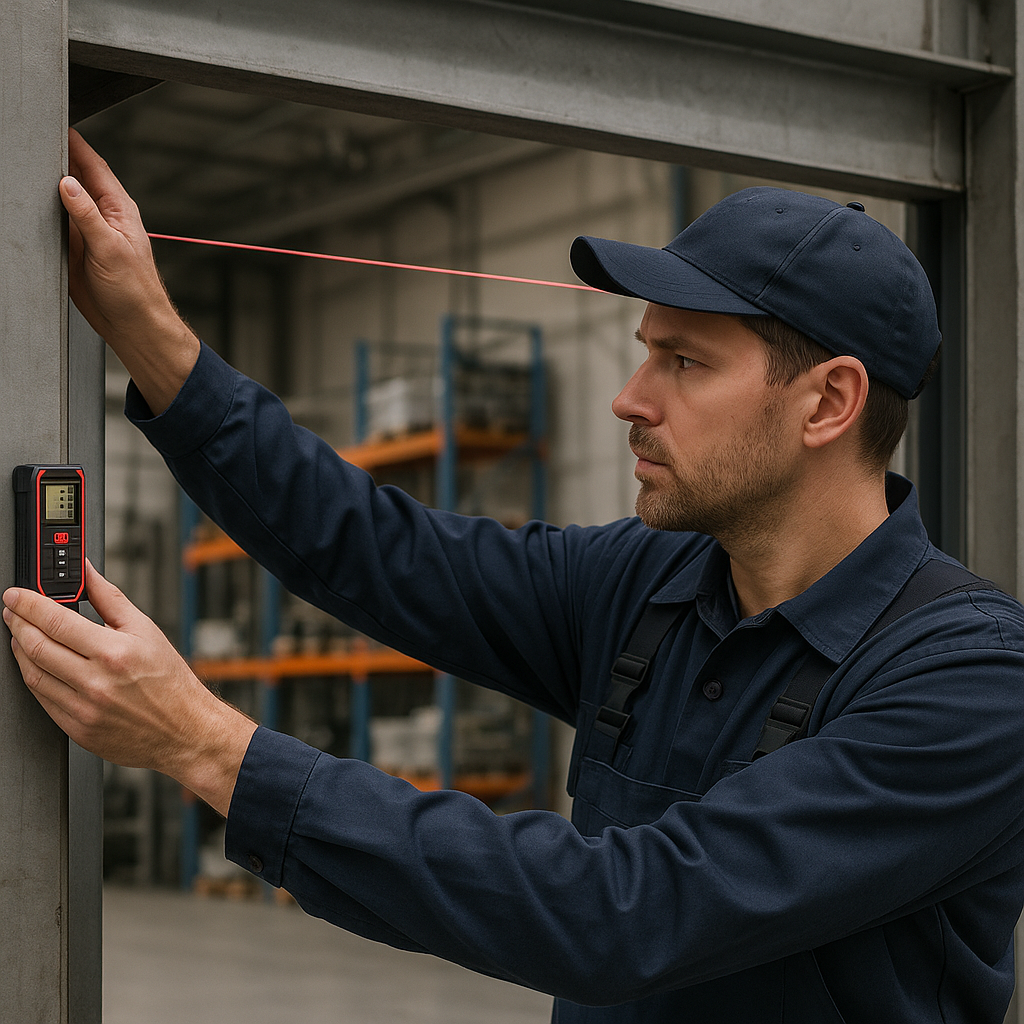
A Facility Manager’s Pre-Installation Checklist
A simple checklist ensures readiness: Measure the opening accurately, inspect the header for structural integrity, check for obstructions, determine the mounting type (Wall vs. In-Jamb), and confirm the traffic type to finalize material specifications.
How to Accurately Measure Doorways for custom size magnetic PVC curtains
For a perfect fit, precision is key. Measure the width at three points (top, middle, bottom) and use the widest measurement. For a wall mount, add at least 6 inches for overlap. Measure height from the floor to the underside of the header or the planned track location.
Inspecting the Header and Structure for Secure Mounting
The header must be made of a solid material like wood, steel, or concrete that can securely hold the mounting bolts. A hollow or unsound header will require reinforcement before installation can proceed.
Step-by-Step Installation Guide for Heavy-Duty Magnetic Plastic Curtains

Wall Mount vs. In-Jamb: Choosing the Right Mounting Hardware
A Wall Mount is most common, attaching the track above the opening for a superior seal. An In-Jamb Mount is used when header space is limited. The choice depends on your facility's structure.
Securing the Track and Hanging Individual plastic warehouse door strips
The process involves marking and drilling holes, securing the mounting track firmly while ensuring it's level, and then hooking the pre-punched strips onto the track one by one, ensuring correct magnetic orientation and overlap.
Ensuring Proper Overlap and Floor Clearance for a Perfect Seal
Strips should hang just touching or about 1/4 inch above the floor. If they drag, they will bunch up and fail to seal. If they are too short, they leave a gap. They can be trimmed with a utility knife for a perfect fit.
Post-Installation Checks and Common Troubleshooting
The Final Seal Test: How to Identify and Eliminate Gaps
Stand on one side of the curtain in a darkened room while the other side is brightly lit. Look for any light penetrating through the seams, which indicate gaps. Walk through several times to observe how it reseals; it should snap closed completely.
Adjusting Strips that Drag or Fail to Close Properly
If strips drag, they are too long and must be trimmed. If they fail to close, check for floor obstructions, ensure the track is level, and confirm you are using the correct PVC grade for the temperature, as standard PVC can become too stiff in the cold.
Addressing Magnetic Polarity Issues for a Seamless Closure
If two strips repel each other, one has been hung backward. The magnets have a specific polarity. Simply take the strip down, flip it 180 degrees, and re-hang it. The strips should now attract and snap together correctly.
Calculating Your Return on Investment (ROI) with Energy-Saving Magnetic Curtains

A Financial Framework for Quantifying Energy Savings in Cold Storage and HVAC
A properly sealed doorway can reduce the run-time of refrigeration compressors and HVAC units by over 25%. This translates directly into lower utility bills and reduced strain on equipment, often leading to a payback period of less than 12 months.
Beyond Price: Factoring the Total Cost of Ownership (TCO) for B2B Procurement
Smart procurement evaluates TCO, not just the initial price. This includes energy savings, reduced product spoilage, and lower HVAC maintenance costs, making the TCO of a magnetic system significantly lower over its lifespan.
The Hidden ROI: Reducing Product Spoilage and Contamination Costs
In the food and pharmaceutical industries, the reliable seal of a magnetic curtain is a low-cost insurance policy against temperature excursions or contamination events that can result in thousands of dollars in lost product.
Customization and Procurement: Sourcing Custom Size Magnetic PVC Curtains
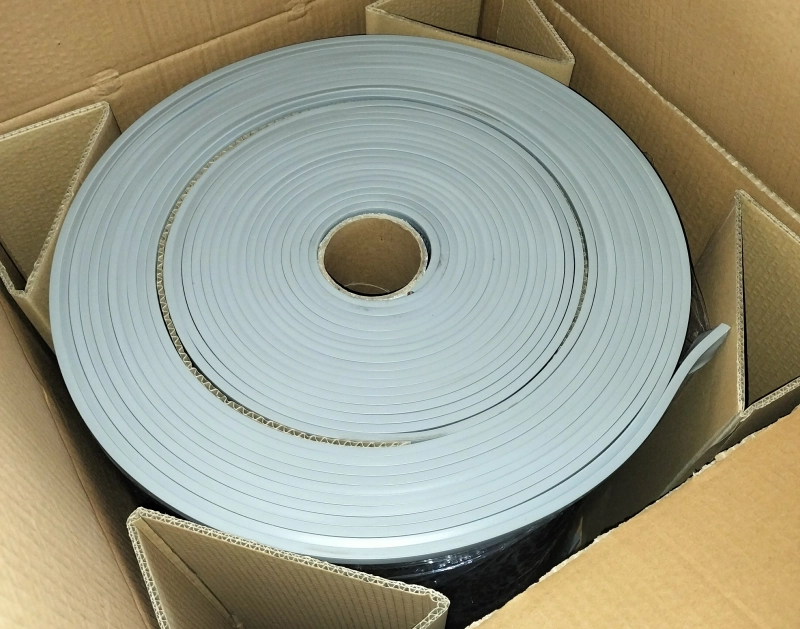
The B2B Advantage of Factory-Direct Sourcing and OEM Partnerships
Sourcing directly from an Original Equipment Manufacturer (OEM) eliminates distributor markups, enabling highly competitive bulk pricing. An OEM partner also offers deep technical expertise and robust quality control.
Specifying Non-Standard Openings for a Perfect Fit
An OEM can leverage its production capabilities to manufacture custom size magnetic PVC curtains to your exact dimensional specifications, ensuring a perfect seal for oversized openings, conveyor belt pass-throughs, or irregularly shaped doorways.
Streamlining Bulk Purchasing and Logistics Across Multiple Facilities
For corporations with a national or global footprint, a single-source OEM partnership simplifies procurement, ensures product consistency, and streamlines supply chain integration, reducing administrative overhead.
Application Focus: Optimizing Cold Storage and Freezer Environments
Maintaining the Cold Chain with magnetic plastic curtains for freezer doors
The integrity of the cold chain is non-negotiable. Magnetic plastic curtains for freezer doors provide an exceptional thermal barrier that minimizes temperature fluctuations during frequent entry and exit, protecting the quality and safety of frozen goods.
How a Superior Seal Reduces Frost Buildup and Defrost Cycles
By creating a near-airtight seal, magnetic curtains drastically reduce the infiltration of warm, moist air that causes frost. This leads to fewer and shorter energy-intensive defrost cycles, saving energy and maintaining more consistent temperatures.
Meeting HACCP and FDA Compliance with Heavy-Duty Freezer Curtains
In any food handling operation, a magnetic freezer curtain is a critical control point (CCP) within a HACCP plan. They help ensure compliance with FDA regulations by maintaining required temperatures and serving as a physical barrier to prevent cross-contamination.
Application Focus: Enhancing Hygiene in Food Processing and Cleanrooms
Using magnetic clear vinyl curtains to Minimize Airborne Particulates
Magnetic clear vinyl curtains for food processing facilities create effective partitions that block dust, aerosols, and other airborne particulates. The smooth, non-porous PVC surface is easy to sanitize and does not shed fibers, helping facilities maintain stringent hygiene standards.
The Importance of Hands-Free Passage in Hygiene Protocols
Minimizing surface contact is a core principle of hygiene. The hands-free passage afforded by magnetic curtains eliminates the need for employees to touch door handles, directly reducing the potential for cross-contamination.
Integrating Magnetic Curtains into Your Integrated Pest Management (IPM) Program
An effective IPM program begins with exclusion. The gap-free seal provided by magnetic curtains forms a formidable barrier against the entry of insects, rodents, and birds, reducing the need for chemical pest control measures.
Application Focus: Boosting Safety and Workflow in Warehouses and Logistics Hubs

Enhancing Visibility and Safety for Forklift Traffic with *walk-through magnetic vinyl curtains*
High-quality, transparent walk-through magnetic vinyl curtains for forklifts provide a clear line of sight, allowing operators to see pedestrians or other vehicles on the other side of the doorway before passing through, dramatically reducing the risk of collisions.
How Self-Closing Doors Streamline Cycle Times at Loading Docks
Self-closing doors allow for a continuous, uninterrupted flow of traffic. Forklift operators do not need to dismount to open or close doors, which significantly shortens cycle times and boosts overall productivity.
Using PVC Curtains as an Effective Acoustic Barrier for Noise Abatement
The dense PVC material and tight magnetic seal also serve as an effective sound barrier, reducing noise transmission from loud production areas to quieter office spaces by up to 20 dB.
A Proactive Maintenance Schedule to Maximize Lifespan and Performance
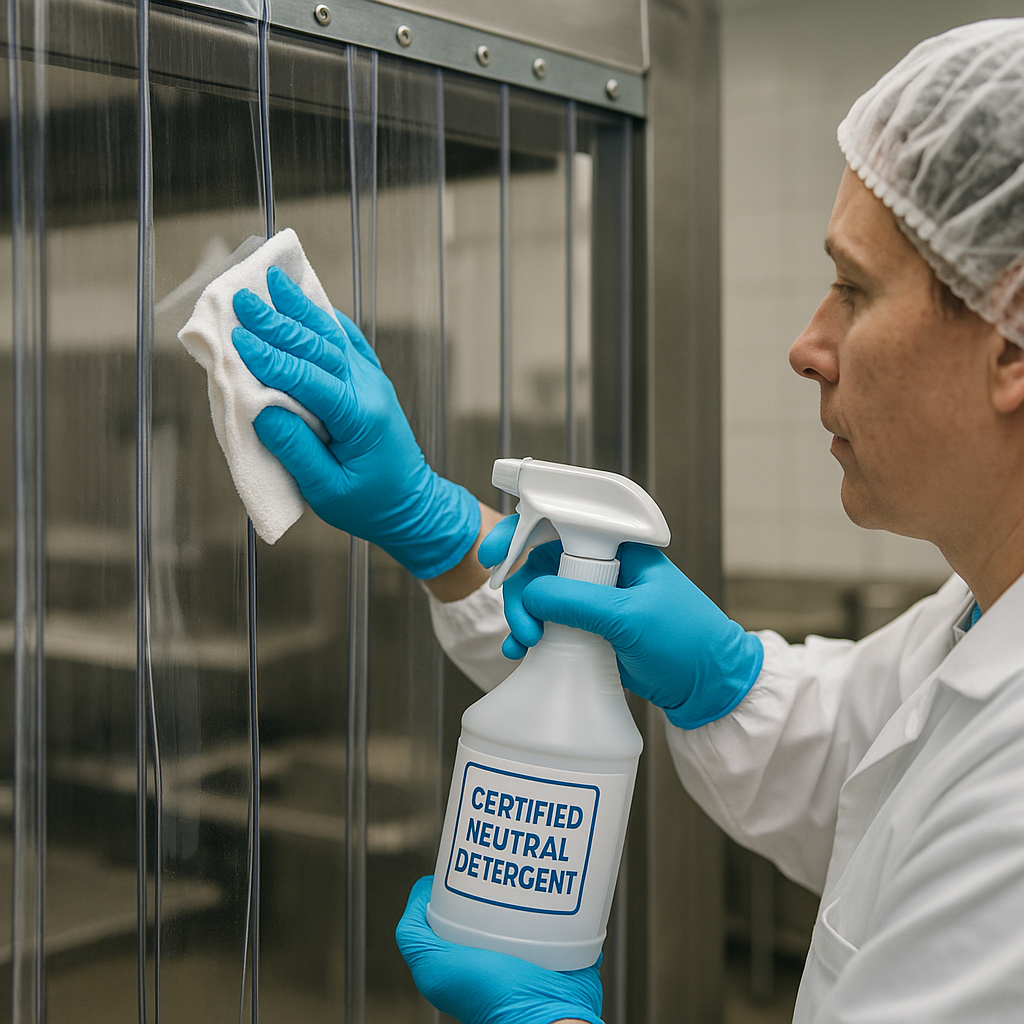
Simple Cleaning Protocols for Optimal Transparency and Hygiene
To maintain clarity and sanitation, clean the PVC strips regularly using a soft cloth and a mild solution of soap and water. Avoid harsh chemical cleaners that can degrade the PVC.
How to Inspect for Wear and Tear in Heavy-Duty Environments
Periodically inspect for tearing around mounting holes, excessive dragging at the bottom, damage to magnet seams, and deep scratches that impair visibility. Proactive inspection prevents minor issues from becoming major failures.
Sourcing and Replacing Individual Strips to Extend Curtain Lifespan
One of the key benefits of a strip curtain system is its modularity. If a single strip becomes damaged, individual replacement strips can be easily sourced from your OEM supplier and swapped out in minutes, making repairs cost-effective.
Comparative Analysis: Magnetic Plastic Curtains vs. Alternative Door Solutions
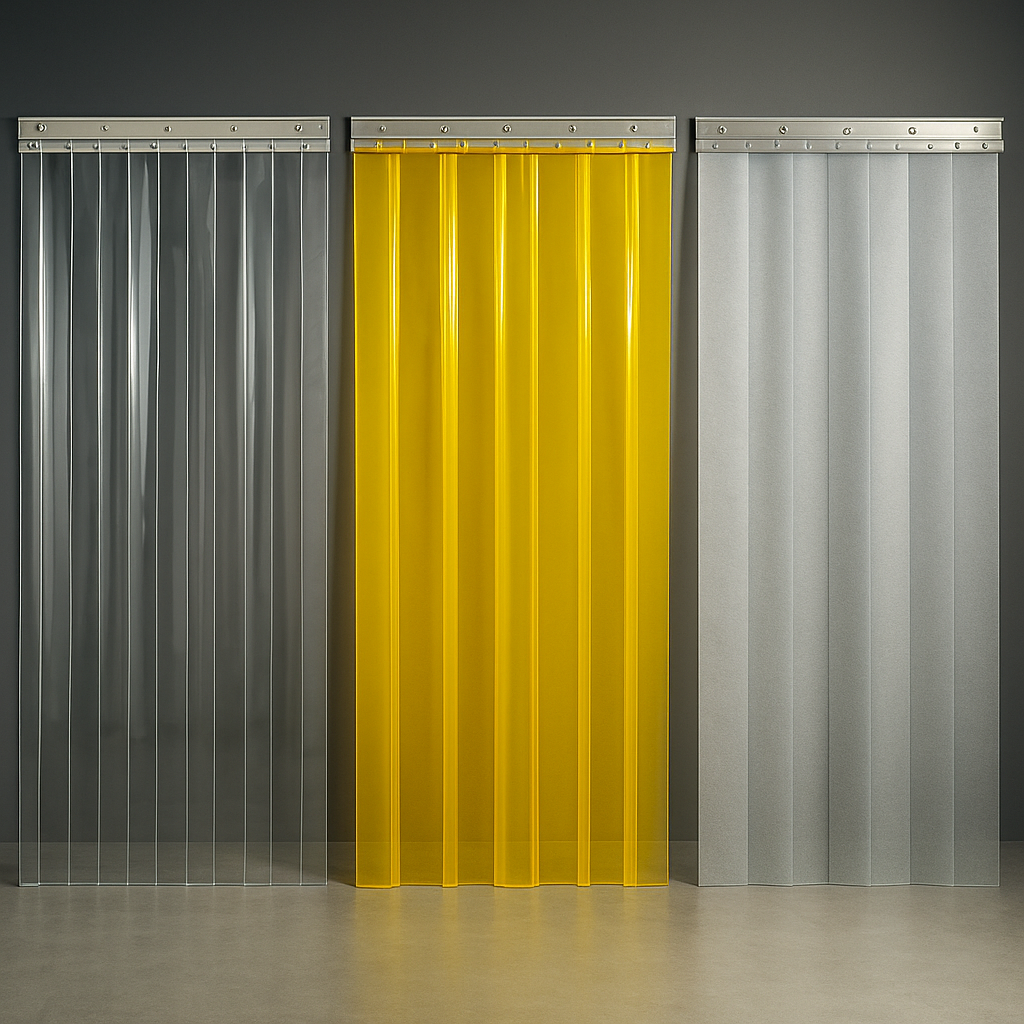
Cost-Benefit Analysis: *Cost-effective magnetic plastic strip doors* vs. High-Speed Roll-Up Doors
High-speed roll-up doors have a capital cost 10-20 times higher, require electricity, and involve expensive maintenance. Magnetic curtains offer comparable environmental separation for most internal applications at a fraction of the cost.
Climate Control Effectiveness: Magnetic Curtains vs. Air Curtains
Air curtains are energy-intensive and do not stop physical contaminants like dust, insects, or noise. A magnetic curtain provides a physical barrier that stops all of these elements while consuming no energy, making it a more holistic solution.
Seal Integrity Showdown: Magnetic vs. Standard Non-Magnetic Hook-On Strips
This is the most critical comparison. The active, self-closing magnetic seal provides consistently superior performance over non-magnetic strips. In any application where temperature control or hygiene is a priority, a magnetic system delivers a far greater return on investment.
Product Technical Specifications
| Attribute | Value | Description |
|---|---|---|
| Material Grade | Standard, Polar (Low-Temp), Ribbed, Anti-Static, Food-Grade | Selection is based on temperature, traffic, and regulatory requirements. |
| Thickness | .080" (2mm), .120" (3mm), .160" (4mm) | Thicker strips offer greater durability for heavy-duty applications. |
| Temperature Range | Standard: 0°F to 150°F Polar: -40°F to 140°F | Using the correct grade is critical for material flexibility and longevity. |
| Magnetic Strength | 1200-2400 Gauss (Ferrite/Neodymium) | Higher strength ensures a more robust and reliable self-closing seal. |
| UV Resistance | Formulated with UV stabilizers | Protects material from yellowing and degradation in sun exposure. |
| Certifications | REACH, RoHS, Phthalate-Free, FDA Accepted | Ensures product meets international health and safety standards. |
B2B Procurement FAQ
1. What is the Minimum Order Quantity (MOQ) for a custom order?
MOQs vary by manufacturer and customization complexity. For custom dimensions with standard materials, MOQs are often flexible. For fully custom formulations, a higher volume may be required. Discuss your specific needs with an OEM sales engineer.
2. Can you accommodate custom dimensions for oversized or irregular doorways?
Yes. A key capability of a factory-direct supplier is manufacturing curtains to precise, non-standard dimensions. Provide detailed measurements or drawings for an accurate quote on a custom-fit solution.
3. What are the typical lead times for bulk orders?
Lead times depend on order volume and production schedules, but a typical range is 4 to 8 weeks. For urgent requirements, some manufacturers may offer expedited production options.
4. Do you offer international shipping and supply chain integration?
Reputable OEM manufacturers have extensive experience with international logistics and can ship worldwide, working with your team to ensure smooth customs clearance and supply chain integration.
5. Are material samples available for evaluation before placing a bulk order?
Yes. It is standard practice to request material samples to evaluate quality, clarity, and flexibility before committing to a large purchase.