Maintenance Guide: How to Extend the Lifespan of Your Magnetic PVC Door Curtains
This guide provides a comprehensive framework for facility managers, procurement officers, and operations personnel to maximize the operational lifespan and return on investment (ROI) of magnetic PVC door curtains. Following these protocols will enhance workplace safety, ensure regulatory compliance, and lower the total cost of ownership (TCO).
Introduction: Maximizing ROI Through Proactive Maintenance
Magnetic PVC door curtains are critical assets in controlling environments, optimizing energy consumption, and ensuring supply chain integrity. However, their effectiveness diminishes without a structured maintenance program. Degradation from physical impacts, environmental factors, and improper cleaning can lead to significant energy loss, safety hazards, and operational downtime. A proactive maintenance strategy is not an expense but an investment in sustained operational efficiency, safeguarding your initial capital outlay and preventing costly future repairs or replacements.
The Business Case for Maintenance
Regular upkeep prevents minor issues from escalating into costly failures, ensuring consistent performance and safety. A well-maintained curtain directly contributes to lower energy bills and a more controlled, productive environment.
Understanding Total Cost of Ownership (TCO)
TCO extends beyond the initial purchase price to include energy savings, reduced product spoilage, and longevity. Proactive maintenance significantly lowers TCO by maximizing the curtain's lifespan and operational benefits.
Setting Maintenance Goals and KPIs
Establish key performance indicators (KPIs) such as reduced energy consumption, decreased contamination incidents, and extended curtain lifespan to measure the success and ROI of your maintenance program.
Material Science: Understanding PVC Grades for Longevity
Not all PVC is created equal. The longevity of your door curtains is predetermined by the grade of Polyvinyl Chloride (PVC) selected. Understanding the material science allows for better procurement decisions and tailored maintenance routines. Different grades are formulated for specific operational stressors, from extreme temperatures to high-impact traffic.
Standard Grade vs. Polar (Low-Temp) Grade PVC
Standard PVC is effective for temperatures above freezing. For freezers and cold storage, Polar Grade PVC is essential as it remains flexible in sub-zero conditions, preventing cracking and failure.
The Role of Ribbed vs. Smooth Strips in High-Traffic Zones
Smooth strips offer maximum clarity, while ribbed strips are designed to withstand impacts from forklifts and pallet jacks. The raised ribs take the brunt of abrasions, preserving the main strip's transparency and integrity for longer.
Specialized Formulations: Anti-Static, Welding, and Anti-Insect PVC
For specific needs, specialized PVC is available. Anti-static PVC is crucial for electronics manufacturing, welding-grade PVC protects from harmful UV light and sparks, and anti-insect PVC (typically yellow) helps deter pests in food processing areas.
The Core Maintenance Protocol: A Step-by-Step Cleaning Guide
Routine cleaning is the foundation of PVC curtain longevity. Dirt, grease, and chemical residues can cause the PVC to become opaque, brittle, and ineffective. A systematic cleaning protocol prevents material degradation and ensures the curtains remain hygienic, a critical factor in food processing and cleanroom environments.
Recommended Cleaning Agents and Tools
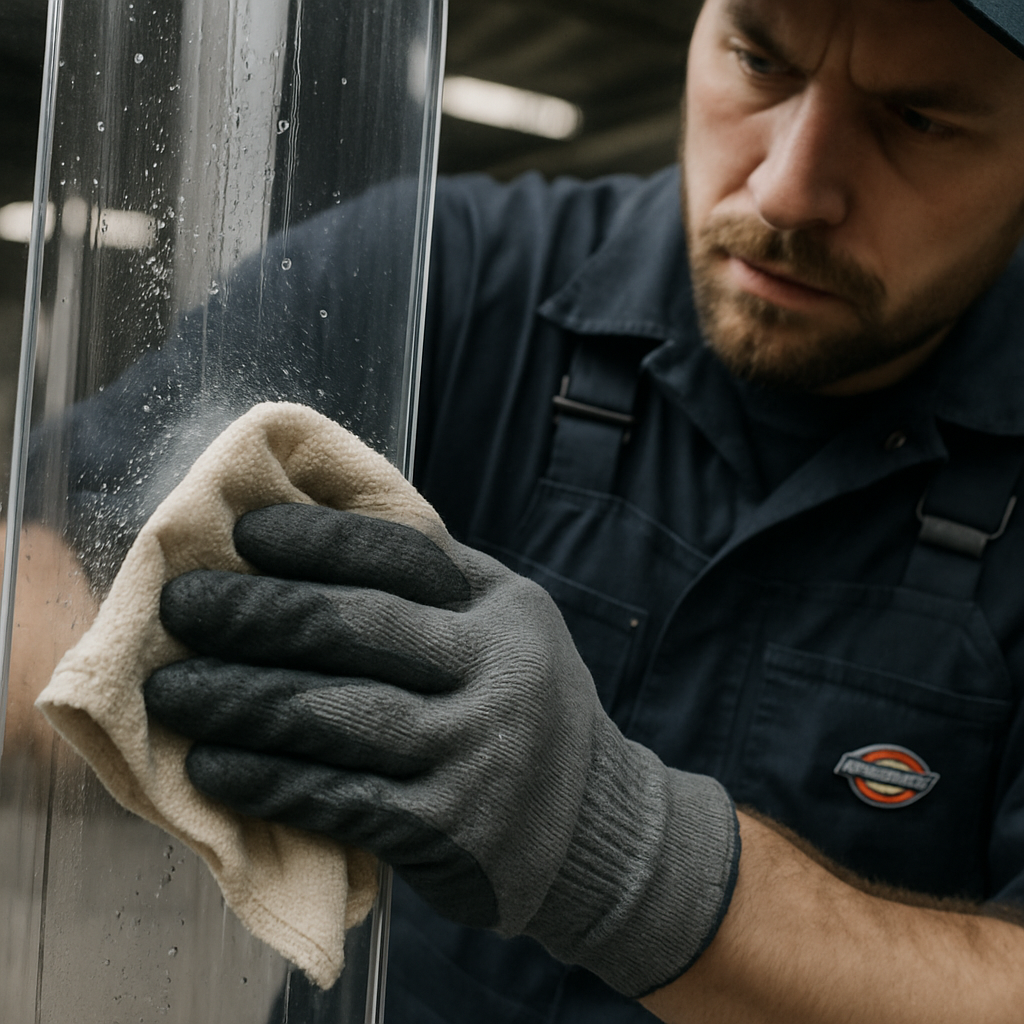
Use a mild, non-abrasive detergent mixed with lukewarm water. Avoid solvents, alcohol-based cleaners, or abrasive powders, as they can permanently cloud or damage the PVC. A soft cloth or sponge is ideal.
Step-by-Step Cleaning Process for Maximum Effect
Wipe each strip from top to bottom on both sides. For heavy grime, allow the cleaning solution to sit for a few minutes before wiping. Rinse with clean water and dry with a soft, lint-free cloth to prevent water spots.
Frequency Guidelines Based on Environment (Industrial vs. Commercial)
In food processing or cleanroom environments, daily or weekly cleaning may be necessary. For general warehouse use, a monthly cleaning is typically sufficient to maintain transparency and function.
Inspecting for Wear and Tear: A Preventative Checklist
Regular inspections are crucial for identifying minor issues before they escalate into major failures. Damage to PVC strips can compromise environmental separation, leading to spikes in energy costs and potential safety violations. A bi-weekly or monthly inspection schedule is recommended for most industrial settings.
Identifying Early Signs of Material Fatigue
Look for curling at the edges, stiffness, or a yellowish tint, which can indicate material degradation from age or UV exposure. Early detection allows for timely replacement of individual strips.
Checking for Scratches, Tears, and Punctures
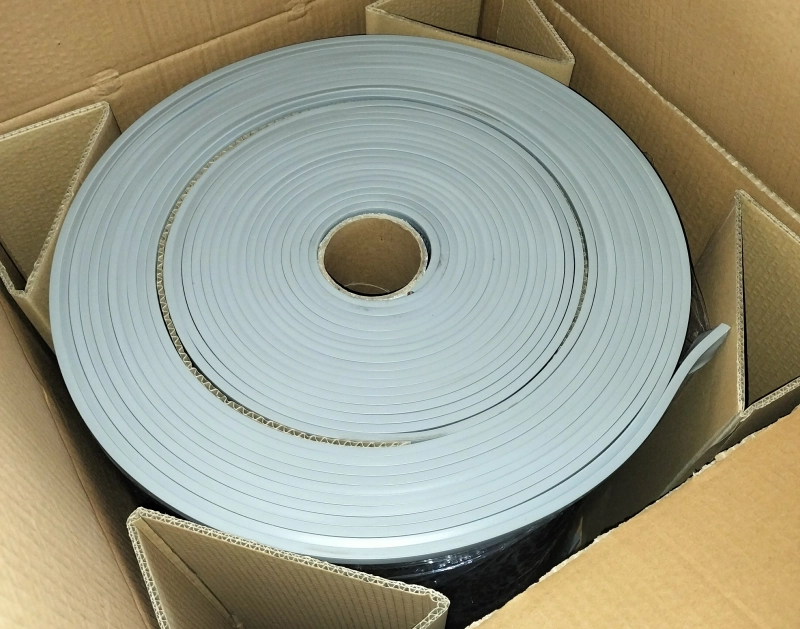
Deep scratches can impair visibility, creating safety hazards. Tears, especially near the mounting hardware, can lead to strip failure and should be addressed immediately by replacing the damaged strip.
Assessing Discoloration and Loss of Transparency
If a curtain becomes too opaque to see through clearly, it is no longer safe for high-traffic areas. This is a clear indicator that replacement is needed to comply with safety standards.
Magnetic Seal Integrity: Ensuring Airtight Performance
The primary advantage of magnetic curtains is their ability to form a near-perfect, self-closing seal. The integrity of these magnetic edges is paramount. Damage to the magnets or the seams holding them can create gaps, negating the curtain's energy-saving benefits and allowing contaminants to pass through.
How to Test for Gaps in the Magnetic Seal
Stand on one side of the closed curtain in a well-lit area while the other side is darker. Look for light bleeding through the seams. Any visible light indicates a gap that is compromising the seal.
Cleaning and Maintaining Magnetic Edges
Wipe the magnetic edges during routine cleaning to remove any metal filings or debris that could prevent the magnets from making full contact and creating a tight seal.
Troubleshooting Misalignment and Weakening Magnetism
If strips are not aligning properly, check that the mounting hardware is level and secure. If magnetism seems weak, inspect for physical damage to the magnetic strips. Severely damaged strips may need replacement.
Optimizing for High-Traffic Environments
Facilities with constant forklift, pallet jack, and personnel traffic place extreme stress on PVC curtains. In these environments, standard maintenance is insufficient. Optimization involves selecting the right materials (e.g., ribbed strips) and implementing protective measures to absorb impact and reduce abrasion.
The Importance of Ribbed PVC for Forklift Traffic
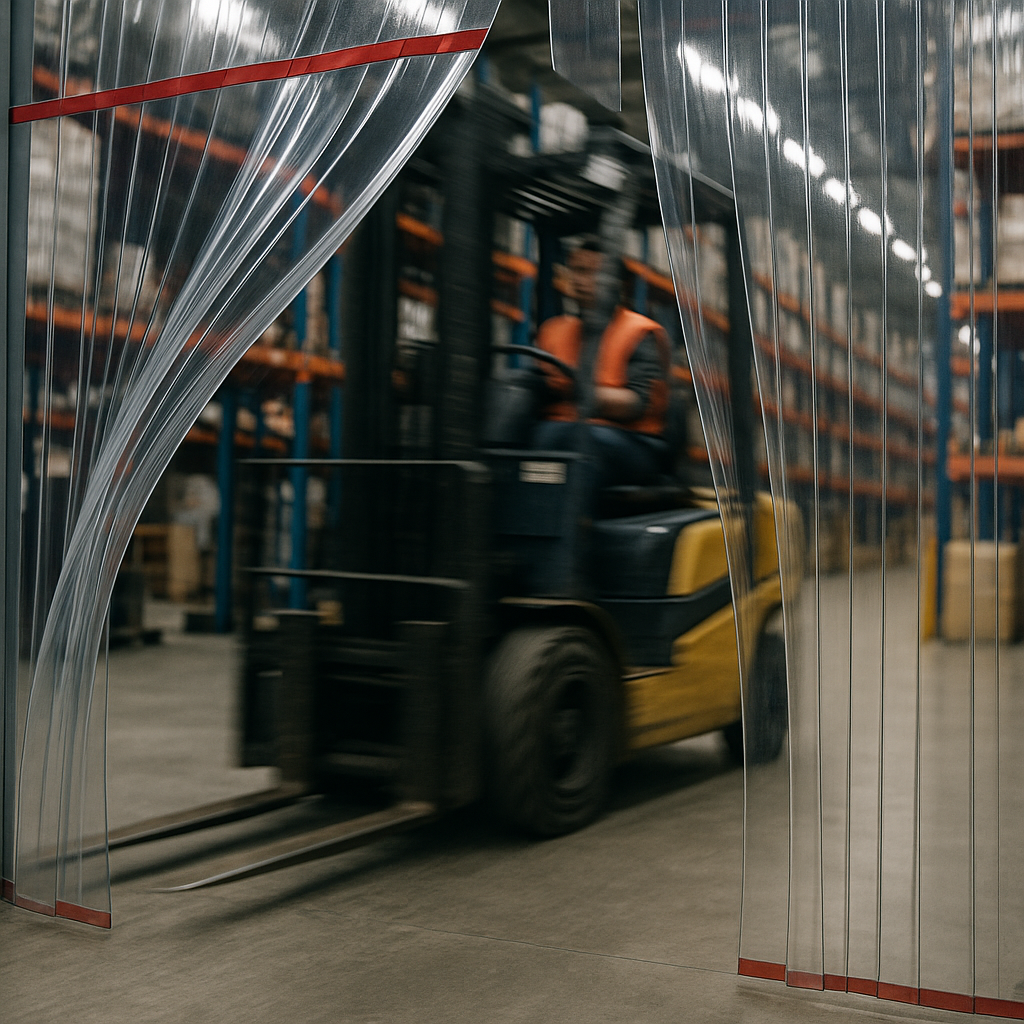
Ribbed PVC is the superior choice for forklift routes. The raised ribs act as a buffer, absorbing impacts and scrapes, which significantly extends the life of the curtain and maintains better visibility over time.
Installing Impact Plates and Bollards
For extremely high-traffic doorways, consider installing bollards or impact plates to protect the curtain edges from direct collisions, further enhancing the system's durability.
Training Personnel on Safe Passage Protocols
Educate forklift operators and staff to approach and pass through curtains at a controlled speed. This simple training reduces excessive wear and tear and enhances overall workplace safety.
Specialized Care for Temperature-Controlled Zones (Freezers & Coolers)
In cold storage and freezer applications, PVC curtains face unique challenges. Standard PVC can become brittle and crack at low temperatures. Polar-grade or low-temp PVC is essential, but it still requires specific maintenance to prevent ice buildup and maintain flexibility.

Managing Condensation and Ice Buildup
Regularly check for and remove any ice that forms on the strips, as it can hinder movement and cause damage. Ensuring a tight magnetic seal is the best way to minimize moist air infiltration that causes icing.
Ensuring Flexibility in Sub-Zero Temperatures
Only use Polar-grade PVC designed for these conditions. During inspections, check that the strips remain pliable and do not show signs of cracking, which indicates material failure.
Compliance with Cold Chain Logistics Standards
Well-maintained freezer curtains are a critical component of cold chain integrity, helping to maintain stable temperatures and meet regulatory requirements for food and pharmaceutical storage.
Hardware Health: Mounting Bracket and Track Maintenance
The performance of a PVC strip door is as dependent on its mounting hardware as on the strips themselves. Corroded, loose, or damaged brackets can lead to strip failure, misalignment, and safety hazards. Regular hardware inspection is a non-negotiable part of any comprehensive maintenance plan.
Inspecting for Corrosion and Metal Fatigue
In wash-down areas, use stainless steel hardware to prevent rust. In all environments, check for signs of corrosion or stress fractures on brackets and tracks.
Tightening and Securing Mounting Bolts
Vibrations from traffic can loosen mounting bolts over time. As part of your quarterly maintenance, check and tighten all fasteners to ensure the system remains secure.
Lubricating Sliding Tracks for Smooth Operation
If your curtain is on a sliding track system, keep the track clean and apply a food-grade lubricant where appropriate to ensure smooth and effortless movement.
Regulatory Compliance and Safety Checks
In many industries, particularly food service and pharmaceuticals, PVC curtains are part of a larger compliance framework (e.g., HACCP, GMP). Maintenance records are often required during audits. Furthermore, damaged or opaque curtains can be cited as a safety violation by bodies like OSHA if they obstruct visibility in high-traffic areas.
Maintaining a Maintenance Log for Audits
Keep a detailed log of all cleaning and inspection activities. This documentation is invaluable for demonstrating compliance during regulatory audits.
Ensuring Visibility Compliance (OSHA Standards)
Safety standards require clear visibility in pathways. If curtains become scratched or clouded to the point of obscuring vision, they must be replaced to maintain a safe work environment.
Food-Grade Material and Hygiene Verification
Ensure that the PVC material and cleaning agents used meet food-grade standards if required for your facility, and document this for health and safety inspectors.
Advanced Troubleshooting for Automated Facilities
In automated warehouses and smart factories, PVC curtains interact with AGVs (Automated Guided Vehicles), conveyor systems, and robotic arms. Malfunctions can disrupt complex, interconnected workflows. Troubleshooting in these environments requires an understanding of both the curtain system and its role within the larger automated ecosystem.
Calibrating for Sensor and AGV Clearance
Ensure curtains do not interfere with the sensors on AGVs or other automated equipment. This may require adjusting the length or using lighter-weight PVC to prevent false sensor triggers.
Addressing Static Buildup in Electronics-Heavy Areas
In areas with sensitive electronics or AGVs, use anti-static PVC to prevent electrostatic discharge that could damage equipment.
Integrating Maintenance with Automated System Downtime Schedules
Schedule curtain maintenance during planned downtime for your automated systems to avoid disrupting production and ensure safe access to the area.
Repair vs. Replace: A Total Cost of Ownership (TCO) Analysis
Knowing when to repair a single strip versus replacing the entire curtain is a key financial decision. A TCO analysis helps determine the most cost-effective path. While repairing a few strips is often economical, a curtain with widespread damage, opacity, or failing magnetic seals may be costing more in energy loss than a full replacement.
Calculating the Cost of Energy Loss from Damaged Strips
Even a small gap can lead to significant energy loss over time. A damaged curtain can easily negate its cost savings if not repaired promptly.
When to Order Individual Replacement Strips
If only one or two strips are damaged, ordering individual replacements is highly cost-effective and extends the life of the overall system.
Defining the Threshold for a Full System Replacement
If more than a third of the strips are damaged, cloudy, or have failing magnetic seals, it is generally more economical to invest in a full replacement to restore peak efficiency and safety.
End-of-Life: Sustainable Disposal and Replacement Planning
Planning for the eventual replacement of your PVC curtains ensures a smooth transition with minimal operational disruption. Responsible disposal of old PVC is also an increasingly important part of corporate environmental responsibility programs.
Forecasting the Replacement Cycle
Based on your environment and traffic levels, forecast a replacement cycle (e.g., every 3-5 years) and budget accordingly to avoid unexpected capital expenditures.
Partnering with Suppliers for Bulk Replacement Orders
Work with your supplier to plan for replacements, especially if you have multiple facilities. Bulk ordering can provide significant cost savings and ensure consistency.
Investigating PVC Recycling and Responsible Disposal Options
Explore options for recycling old PVC material. Some suppliers may offer take-back programs or can direct you to specialized industrial recycling services.
Technical Specifications & Maintenance Thresholds (EAV Model)
| Entity | Attribute | Value/Threshold |
|---|---|---|
| PVC Strip (Standard) | Tensile Strength | > 2.5 MPa |
| Temperature Range | -15°C to +50°C (5°F to 122°F) | |
| Transparency Loss | Replace if visibility is < 70% at 5 meters | |
| Hardness (Shore A) | 75-85 | |
| PVC Strip (Polar Grade) | Temperature Range | -40°C to +30°C (-40°F to 86°F) |
| Cold Crack Point | Replace if cracking occurs above -35°C | |
| Magnetic Seal | Magnetic Flux Density | > 1200 Gauss |
| Seal Integrity | Replace strip if seal gap > 3mm under no pressure | |
| Mounting Bracket | Material Grade | Grade 304 Stainless Steel or Galvanized Steel |
| Corrosion Resistance | Replace if rust/pitting exceeds 10% of surface area | |
| Fastener Torque | Check and tighten to manufacturer specs annually |
Frequently Asked Questions for Industrial Buyers
What is the primary difference in maintenance between magnetic and standard non-magnetic PVC curtains?
The main difference is the need to inspect and maintain the magnetic seal. For magnetic curtains, you must regularly clean the magnetic edges to ensure a tight, gap-free closure and check for demagnetization or physical damage that could compromise the seal's integrity and energy efficiency.
How does proper maintenance impact our facility's energy costs?
Proactive maintenance directly lowers energy costs. By cleaning strips to maintain thermal properties, ensuring magnetic seals are airtight, and replacing damaged strips, you prevent the escape of heated or cooled air. This reduces the load on your HVAC systems, leading to measurable savings on utility bills.
Can we use any commercial cleaner on our PVC strip curtains?
No. Harsh chemical cleaners containing solvents or abrasive components can degrade the PVC, causing it to become cloudy and brittle. It is critical to use a mild, non-abrasive detergent mixed with water or a cleaner specifically approved for use on vinyl and PVC materials.
In a high-traffic forklift area, what is the most critical maintenance task?
In high-traffic zones, the most critical task is inspecting for and immediately replacing any torn, punctured, or severely scratched strips. Using ribbed PVC strips is a proactive measure, but once damage occurs, a compromised strip poses a significant safety risk due to reduced visibility and the potential for snagging.
How do we know when to repair a single strip versus replacing the entire door?
A good rule of thumb is to calculate the percentage of damaged area. If more than 25-30% of the strips are damaged, opaque, or have failing seals, a full replacement is often more cost-effective. The cumulative energy loss and safety risk from multiple damaged strips typically outweigh the cost of a new system.
Are there maintenance considerations specific to food processing or cleanroom environments?
Yes. In these environments, hygiene is paramount. Maintenance must include using food-grade-safe cleaning agents, adhering to a more frequent cleaning schedule to prevent microbial growth, and keeping detailed maintenance logs for compliance with FDA, HACCP, or other regulatory standards.
Our magnetic curtains are in a walk-in freezer. What special care is needed?
For freezer applications, use only polar-grade PVC. The key maintenance task is to regularly check for and remove any ice buildup on the strips and mounting hardware, as this can impede movement and damage the PVC. Ensure the strips remain flexible and do not show signs of cracking.
What is the expected lifespan of a well-maintained magnetic PVC door curtain?
With a proactive maintenance program, a high-quality magnetic PVC curtain in a standard industrial environment can last 3-5 years. In high-impact areas with heavy forklift traffic, this may be reduced to 1-3 years. The key is that maintenance directly dictates whether you achieve the lower or upper end of that range.