
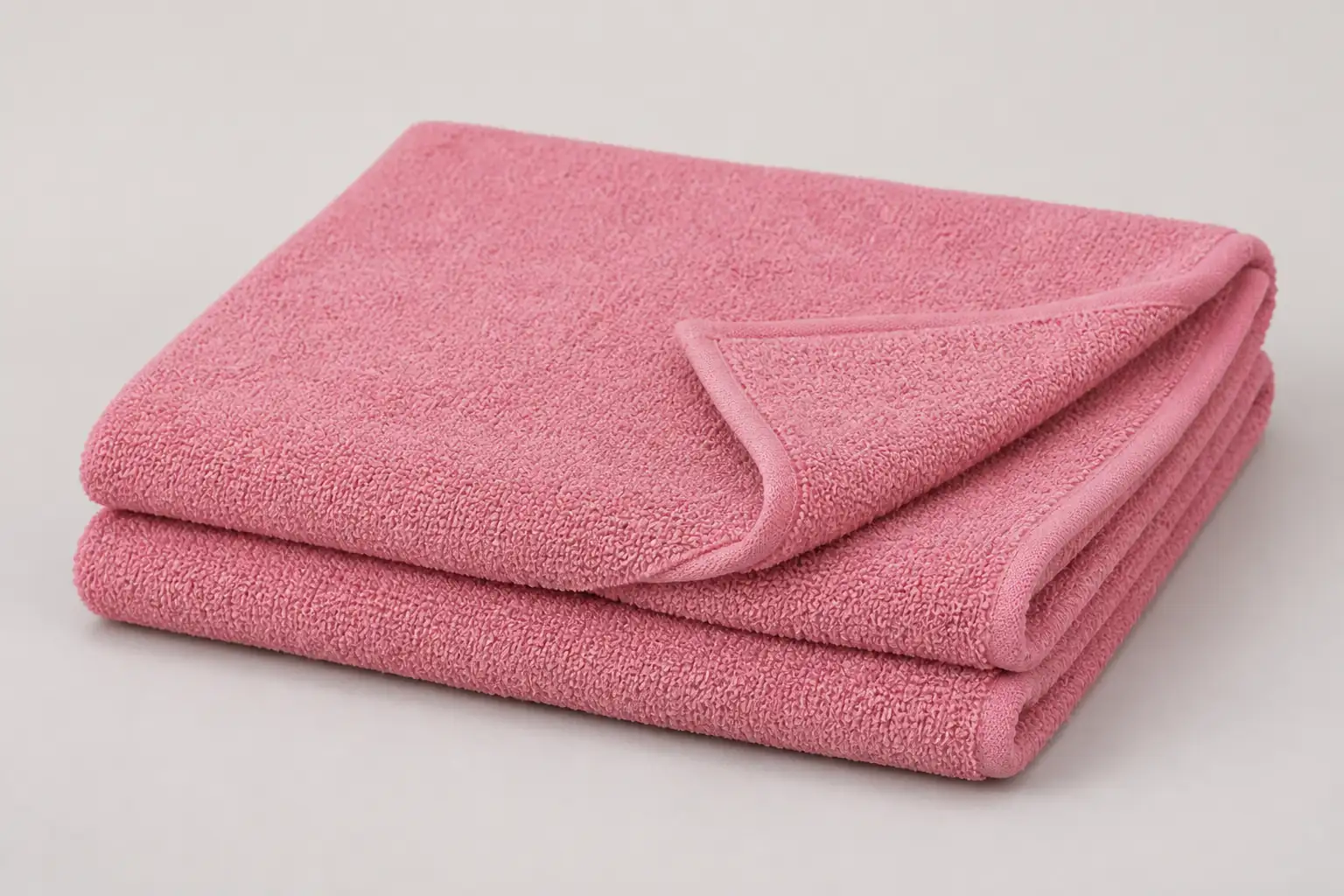
PRODUCT LANDING / THREE MATERIAL ROUTES
Bamboo-Blend, Cotton and Cooling Towels Controlled by Use and Evidence
EverBen helps B2B buyers separate three unlike towel routes, document the offered textile, approve complete samples and retain the controls needed for production and reorders.
Bamboo-derived fiber wording, cotton terminology and cooling-towel language can look comparable in a catalog while describing different constructions, contact conditions and care expectations. A reliable project therefore begins with the job: who uses the article, what it contacts, how moisture enters and leaves, what motion is required, which decoration and pack reach the channel, and who controls laundering. The buyer then asks for the exact offered fiber declaration, yarn or filament description available, pile or knit architecture, finished dimensions, weight basis, edges and finishes. No family label alone establishes softness, absorbency, cooling, drying, lint, odor control, skin suitability or environmental benefit. Each SKU moves through a coded material reference, complete undecorated sample, production-scale decoration, defined use and care trial, inspection record and sealed packed unit. Alternatives remain visible instead of becoming silent substitutions. Reports are indexed by article, specimen, method, date and destination relevance before any wording is released. MOQ, price, development time and delivery are confirmed only after the accepted construction, evidence, quantity and packing are known. This process lets buyers coordinate colors, labels and shipment across a towel family without pretending that a pile bath towel and a thin sports towel share one technical approval.
01 / ROUTE MAP
Separate Bamboo-Blend, Cotton and Cooling Jobs before Naming a Preferred Material
The operating event determines the useful architecture. Material vocabulary comes after contact, motion, moisture and reuse are defined.
01
Bamboo-derived route
State the exact fiber wording offered and the intended bath, hair, hospitality or retail job. Treat softness and environmental language as claims requiring article-specific support rather than consequences of a family name.
02
Cotton route
Define towel form, pile or weave, contact surface, laundry ownership and channel expectations. Cotton terminology does not replace yarn, construction, finish, size, edge and sample controls.
03
Cooling or sports route
Describe wet activation if any, skin contact, exercise or travel handling, wringing, carrying, reuse and drying environment. Avoid assuming a thin knitted article produces a universal cooling result.
04
Coordinated assortment
Share approved palette, artwork rules, labels and shipping plan while keeping independent specifications and references. A coordinated family still needs separate acceptance for every construction and finished SKU.
02 / FIBER IDENTITY
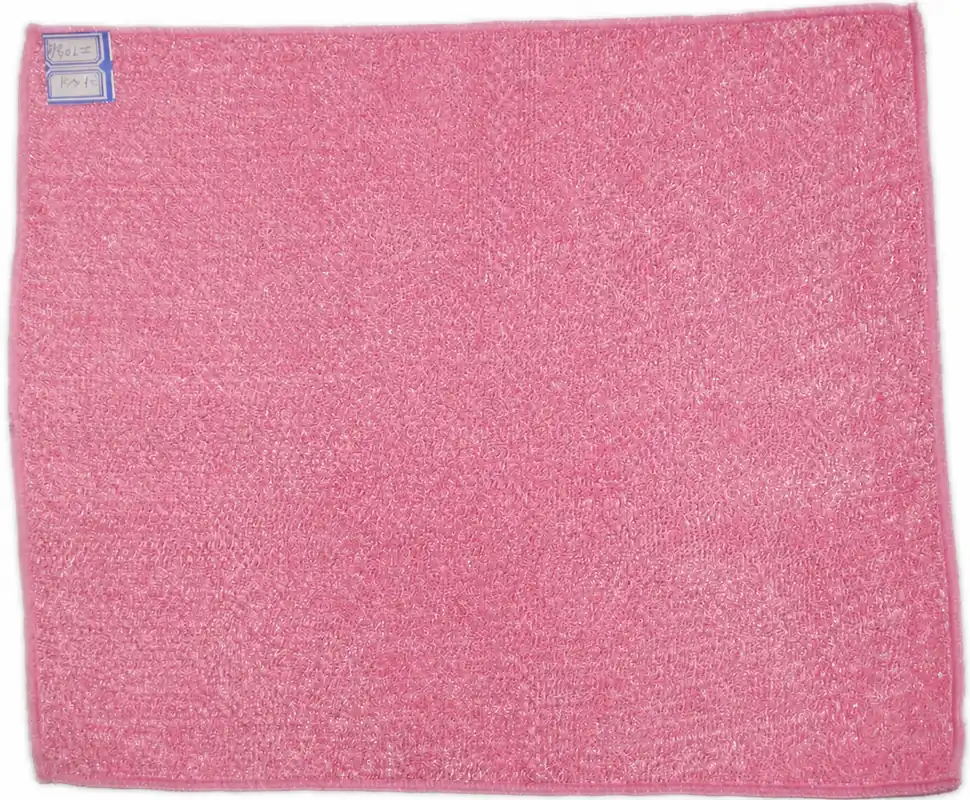
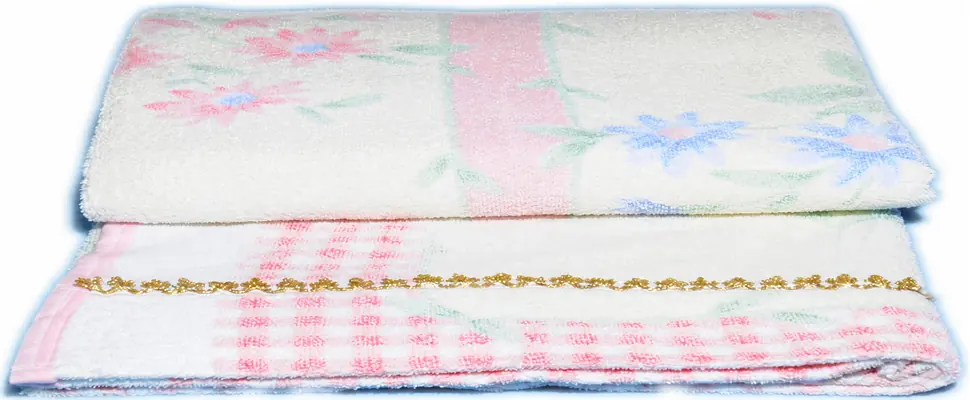
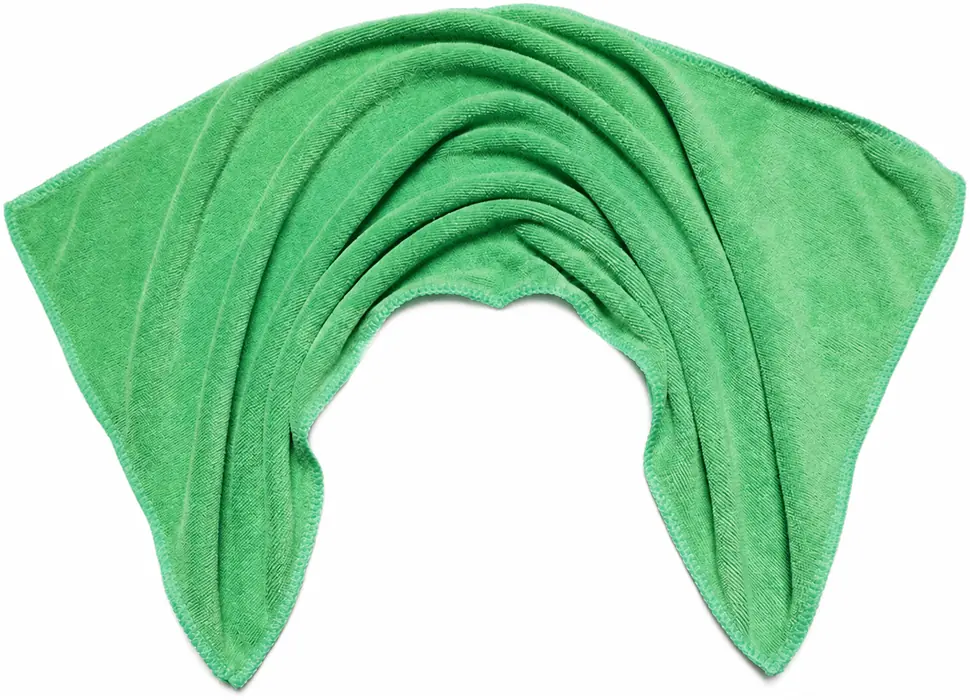
Verify Fiber Wording without Converting a Trade Name into a Product Result
Composition statements must match the offered textile and the destination claim, not a generic category description.
| Object | Required description | Physical anchor | Decision record |
|---|---|---|---|
| Operating event | User, contact, moisture, motion and reuse | Buyer use card | Approved scope statement |
| Offered textile | Declaration, yarn route, architecture, finish and supplier code | Named swatch | Evidence classification |
| Complete article | Geometry, mass basis, perimeter and attachment | Finished reference | Measurement sheet |
| Use and care | Conditioning, event, laundering, drying and observations | Trial specimen | Dated outcome |
| Delivered unit | Decoration, fold, pouch, label and carton allocation | Sealed pack | Release authorization |
01
Declared composition
Ask the supplier to identify the exact textile code and declaration basis. Keep percentages, blend names and regenerated-cellulose wording open until documentary and physical references agree.
02
Cotton terminology
Distinguish the offered cotton statement from marketing grades or geographic implications. Publish only language supported for the represented lot and approved destination.
03
Cooling textile wording
Record polymer or fiber information to the available evidence level, then separate material identity from temperature, evaporation or comfort claims that need their own method.
04
Traceability link
Connect declaration, swatch, complete sample, report index and production lot. A document without specimen identity cannot silently support a different towel.
03 / TEXTILE BUILD
Specify Pile, Ground, Knit, Weave and Finish as a Complete Textile System
Two towels with similar weight can behave differently because their yarn geometry, surface and finishing route differ.
01
Pile and ground
Describe face, reverse, loop or cut-pile route, ground structure and border. Inspect loop security and surface uniformity on a complete article after handling.
02
Flat or knitted cooling build
Record knit pattern, thickness or mass basis, elasticity, edge route and finish. Review wet handling and recovery without asserting a cooling outcome from appearance.
03
Yarn and filament information
Capture count, twist, filament or supplier code only where confirmed. Unavailable fields stay marked open rather than being invented for a polished specification.
04
Finish state
Identify softening, brushing, shearing or other proposed treatment and whether the reference is before or after care. Temporary hand must not approve long-term wording.
04 / FINISHED FORM
Control Dimensions, Weight and Edges under a Shared Measurement Basis
Comparable numbers require the same conditioning and measurement state, especially when articles absorb moisture or relax after care.
01
Finished dimensions
State length, width, shape, border and tolerance plus the pre-care or post-care condition. For compact sports towels, include the carry and unfolded states.
02
GSM or unit mass
Name specimen, conditioning and method. Unit mass may be clearer for small shaped articles, while GSM still needs construction and size context.
03
Edge integrity
Specify hem, binding, overlock, corner, hanging loop or fringe. Inspect thread security, bulk and distortion where the user's skin or equipment contacts the edge.
04
Pack geometry
Relate finished and folded dimensions to pouch, shelf, locker, laundry load and carton allocation. Compression cannot become an untested recovery promise.
05 / COMPLETE-ARTICLE TRIAL
Test the Entire Towel in the Intended Handling Sequence
A center swatch cannot reveal wrap, grip, wringing, edge contact, carry volume or finished-product recovery.
01
Dry baseline
Record sample code, dimensions, mass, appearance, edge condition and hand under agreed conditioning before use.
02
Representative moisture event
Apply the buyer's defined liquid amount, contact, motion and duration. Keep conditions repeatable and avoid theatrical splash demonstrations.
03
Handling review
Observe wrapping, wiping, wringing, hanging, folding or pouch insertion as applicable. Note user interface and deformation without converting preference into universal performance.
04
Post-trial record
Measure and photograph the same article, list changes and identify acceptance authority. A limited trial supports only its written decision boundary.
06 / CARE ROUTE
Validate Washing and Drying on the Offered Construction and Decoration
Care performance depends on equipment, chemistry, loading, temperature, agitation, extraction and drying together.
01
Laundry recipe
Record machine, load, water, detergent, additives, cycle and rinse. Sanitation requirements remain a separate buyer and destination responsibility.
02
Drying conditions
Define tumble, line or other drying route, heat setting if relevant, load and endpoint. Do not infer drying speed from a material label.
03
Change observations
Inspect dimensions, shade, surface, lint, odor, edges, artwork and packaging recovery at agreed intervals. Preserve raw observations and sample identity.
04
Instruction release
Issue care wording only after the exact article and decoration pass the accepted scope. Symbols and destination text require responsible market review.
07 / CLAIM CONTROL
Convert Soft, Absorbent, Cooling and Sustainable into Bounded Evidence Questions
Descriptive language must be separated into measurable objects, conditions and responsible decisions.
01
Absorbency or pickup
Name liquid, conditioning, specimen, procedure and result. Fiber family, pile height and visual plushness do not independently prove the proposed statement.
02
Cooling or comfort
Define wet state, airflow, environment, comparison, endpoint and wearer relevance. A material photograph cannot support an unconditional temperature or comfort claim.
03
Lint, odor and skin wording
Choose representative contact and evaluation, then identify test limits. Hypoallergenic, antibacterial and odor-control language needs applicable evidence before publication.
04
Environmental statements
Verify fiber chain, recycled or organic scope, certification status, claim owner and destination rule. Broad bamboo or natural wording is not a substitute for proof.
08 / BRAND EXECUTION
Approve Color and Decoration on Each Production Construction
The same artwork can render differently on loop pile, flat weave and perforated knit.
01
Artwork route
Choose print, embroidery, woven effect, label or another process after evaluating surface, contact face and care. Approve actual-scale production construction.
02
Color control
Use physical standards, strike-offs and named lighting conditions. Screen color is a communication aid, not production acceptance evidence.
03
Contact and function
Review backing, stitch density, print hand, hanging loops and pouch features where they touch skin or affect handling.
04
After-care appearance
Repeat the agreed laundry trial on the decorated article and record shade, detail, edge and hand changes before release.
09 / SAMPLE LADDER
Move from Coded Textile to Decorated and Packed Approval
Different samples answer different questions; none should silently approve all later stages.
01
Coded material
Confirm construction identity, declaration wording, finish and color before committing to complete-article development.
02
Undecorated article
Check measurements, edges, handling and care on the full form. Partial photos and loose pieces cannot approve finished geometry.
03
Decorated article
Review production-scale artwork, contact interface and post-care appearance with all revisions recorded.
04
Sealed pack reference
Approve fold, pouch or bag, labels, count, assortment and carton allocation; retain one controlled unit for production and reorder checks.
10 / QUALITY PLAN
Connect Incoming Identity, Process Checks and Finished Release
Quality language becomes useful only when each characteristic has a reference, method, sample stage and disposition.
01
Incoming verification
Check textile code, lot identification, color reference and applicable documents. Segregate unexplained substitutions before cutting or finishing.
02
Process control
Inspect dimensions, hems, binding, hanging loops, decoration and pouch assembly where correction remains practical.
03
Finished inspection
Compare workmanship, count, measurements, appearance and represented functions with the approved sample and written tolerance.
04
Nonconformance decision
Record evidence, severity, quantity and affected lot; define rework, replacement, concession or rejection authority before shipment release.
11 / DELIVERED SCOPE
Normalize Packing, Evidence and Commercial Inclusions before Ranking Quotations
Unit price is not comparable when development, testing, pouches, labels, inspection or carton work differs.
| Workstream | Required supplier disclosure | Closure gate |
|---|---|---|
| Textile identity | Exact code, declaration, architecture and any alternative | Accepted swatch |
| Finished article | Dimensions, mass basis, edges, finish and tolerance | Complete sample |
| Claim support | Specimen, method, result, date and destination relevance | Wording decision |
| Brand execution | Artwork, color, contact face, label and pouch | Decorated pack |
| Commercial total | Development, evidence, inspection, cartons, quantity and timing | Comparable quotation |
Anchor each published phrase to a represented article
The chain runs from the offered textile code through a finished specimen, review method, recorded outcome, target market and named decision owner.
Do not let category education become product proof
Background fiber or care information improves the RFQ while article claims await applicable records.
01
Status schedule
Require every field to be marked required, offered, alternative or unresolved. Silence cannot become acceptance.
02
Included services
List samples, artwork trials, care work, reports, inspection, labels, individual packs and retained references included in each offer.
03
Assortment and cartons
Control SKU ratios, counts, weight method, markings owner and destination allocation using an approved pack map.
04
Commercial confirmation
Tie MOQ, price, timing and delivery basis to the accepted configuration, quantity, evidence and destination in the project quotation.
12 / REORDER FILE
Keep the Approved Towel Identity Usable after the First Shipment
Reorder stability relies on references and change notices, not memory or a product family name.
01
Golden file
Archive written specification, coded swatch, full article, artwork, care record, documents and sealed pack under one revision.
02
Lot comparison
Define lighting, conditioning and evaluation for color, construction and finished appearance while avoiding promises of impossible absolute identity.
03
Change notice
Require disclosure before fiber wording, textile code, finish, edge, decoration, label, pouch, carton or process changes.
04
Archive ownership
Name custody, retention period, approval authority and replacement rules so future teams can use the same evidence chain.
What the material-route page does not establish
This page defines a sourcing workflow; it does not verify composition, softness, pickup, cooling, drying, lint, odor, skin suitability or environmental benefit. Any released statement must be supported for the exact offered article, while certification, care endurance, minimum quantity, pricing and dispatch remain quotation-specific.
Route-specific FAQ
Decisions required before material-route approval
Does bamboo wording prove a towel is sustainable?
No. The exact fiber declaration, chain, certification and destination claim must be verified for the represented article.
Is cotton enough to define a bath towel?
No. Yarn, pile or weave, finish, dimensions, weight basis, edges, care and sample identity also matter.
Can a cooling towel guarantee a temperature drop?
Not from a category name or photograph. Any claim needs stated wet state, environment, method, comparison and exact article.
Should all three routes share one approval sample?
No. They may share branding and shipment planning, but each construction and SKU needs its own complete reference.
What belongs in a retained pack?
The approved article, fold, pouch or bag, labels, count and carton allocation tied to one revision.
Are price and delivery fixed here?
No. They depend on confirmed construction, evidence, quantity, packing and destination.
Scope handoff
Turn Three Material Routes into a Comparable Towel RFQ
Send use cards, proposed fiber wording, construction preferences, dimensions, decoration, care route, claim register, quantities, destination and packing plan. Mark every field required, optional or open and name the sample and evidence owners. EverBen can then organize alternatives without presenting assumptions as confirmed product facts.