
ABOUT EVERBEN / B2B PROGRAM OWNERSHIP
Manufacturer and Sourcing Integration Partner for Controlled B2B Product Programs
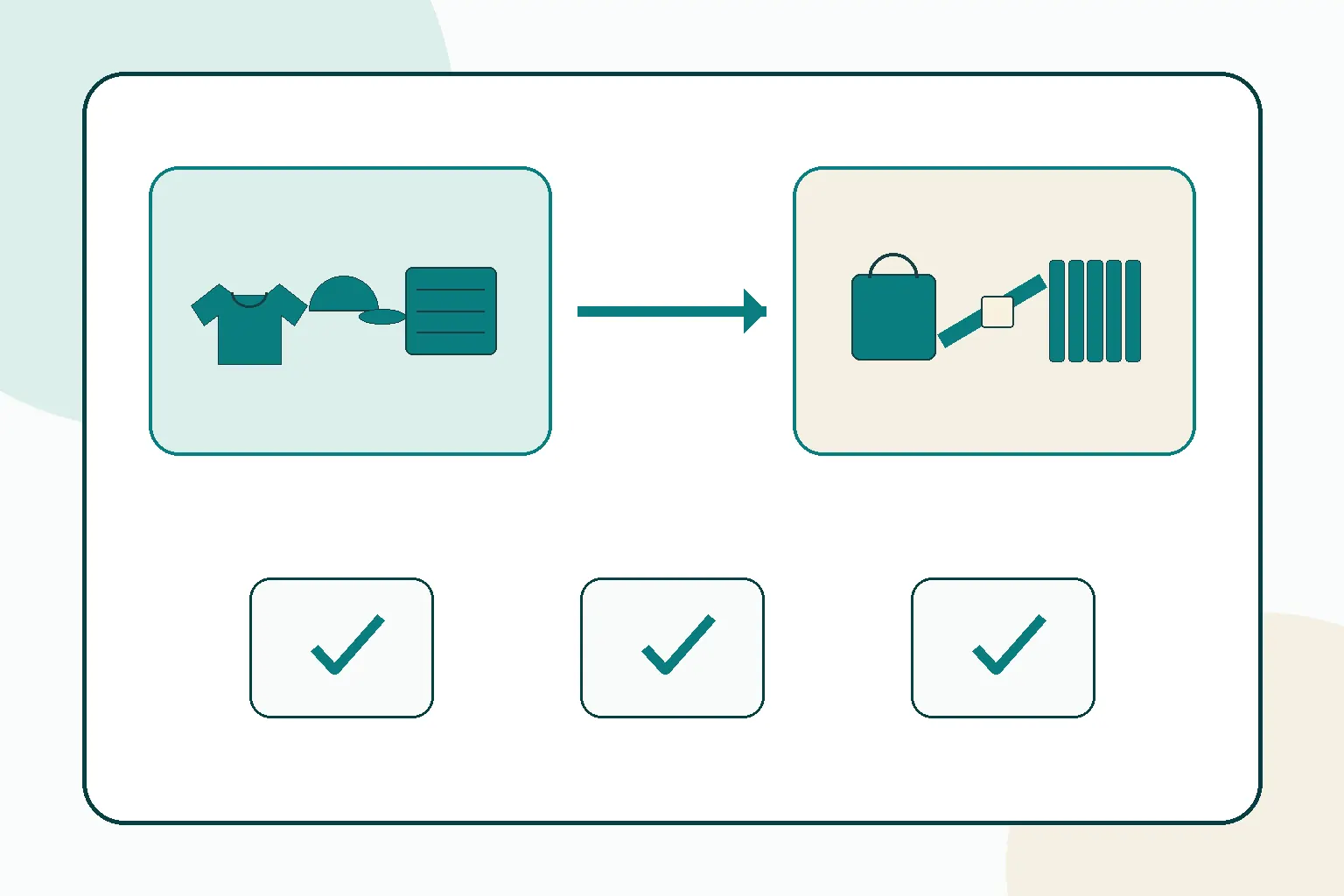
EverBen helps importers, distributors, brands, promotional agencies and project teams convert mixed product requests into separate, reviewable specification and approval lanes.
More than 20 years of export experience supports the company model. The buyer still decides which product facts, destination requirements, documents and release criteria apply to each project; company credentials do not substitute for product evidence.
01 / operating model
Keep manufacturing depth and sourcing breadth inside one accountable decision route
A buyer should not have to accept a vague answer to “factory or trading company.” The useful answer identifies the production route for each item and the team that owns specification, sampling, changes, inspection and communication.
Export experience
Company-level reference
Company-level reference
Company-level reference
01
Direct production where the route fits
A product program starts by identifying which construction, process and facility route matches the approved specification. The answer must be attached to the item, not assumed from the company name.
02
Integrated sourcing for complementary items
When a program spans categories, complementary production resources can be coordinated while each item keeps its own sample, evidence, revision and packing record.
03
One buyer-facing control path
EverBen connects inquiries, clarifications, sample decisions, change notices, inspection planning and shipment preparation so responsibility does not disappear between vendors.
Company identity and document request
| Decision field | Buyer record | Release boundary |
|---|---|---|
| Contracting entity | Legal name shown on the proposed contract and invoice | Confirmed for the named project and entity before approval |
| Registered or operating address | Address relevant to the contracting or operating role | Confirmed for the named project and entity before approval |
| Production versus sourcing role | Who makes, coordinates, inspects and ships the represented item | Confirmed for the named project and entity before approval |
| Document holder and scope | Named holder, covered facility/product and issuing body | Scope, validity and current status checked on the controlled copy |
| Controlled-copy request | Buyer request, responsible owner and requested review date | Open until the requested project-specific record is received |
02 / category scope
Navigate eight product systems without flattening their different risks
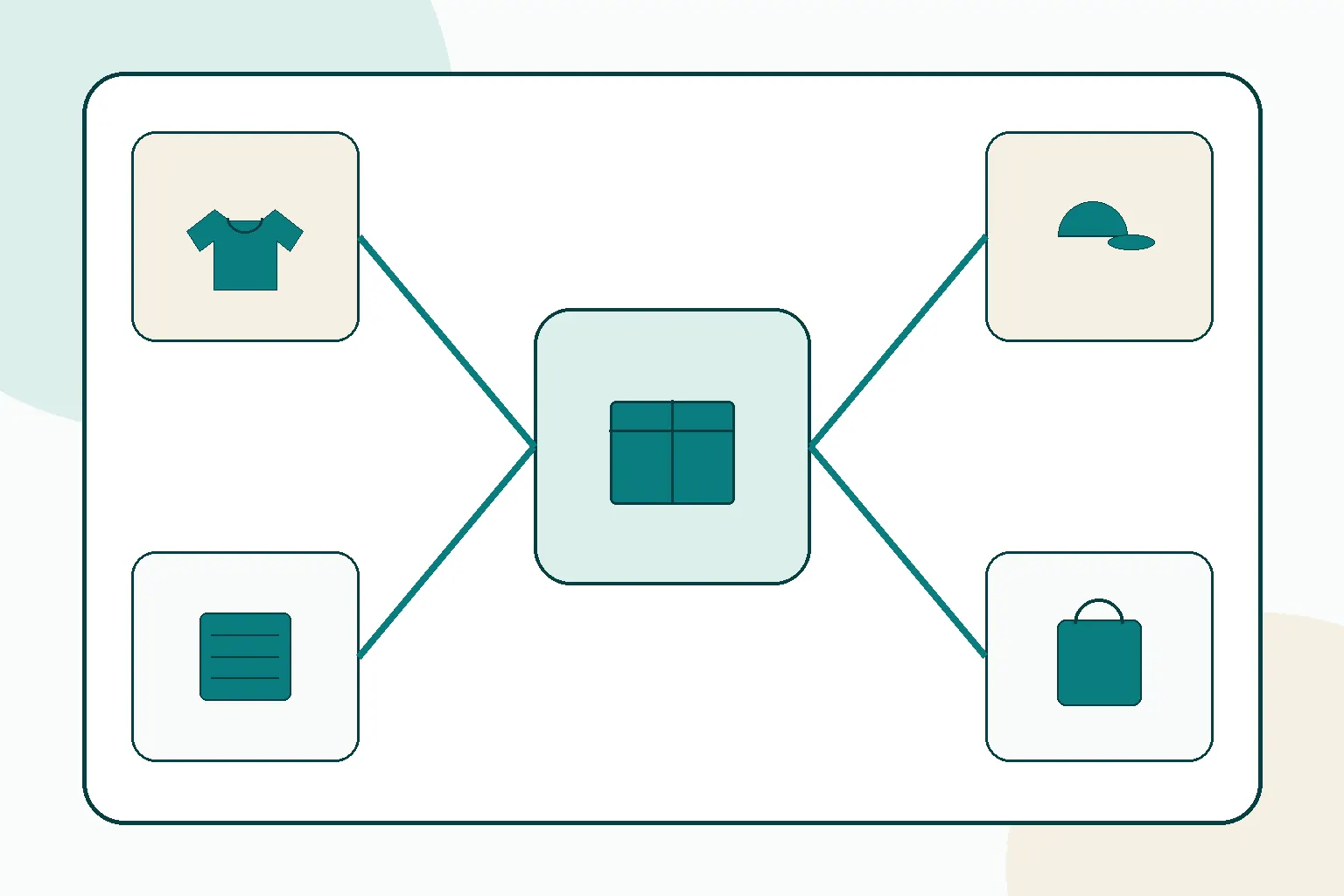
A cap, towel, raincoat, ratchet strap and PVC strip curtain do not share one universal specification. The company-level route gives buyers one starting point, while the eight category pillars preserve product-specific decisions.
03 / buyer control
Translate an inquiry into decisions that samples and production can actually follow
A useful supplier relationship begins with controlled unknowns. EverBen can help organize them, but the buyer should retain authority over intended use, destination rules, brand requirements and acceptance boundaries.
01
Define the commercial objective
State channel, user, use, launch or replenishment context, destination, quantity range and decision timing. These facts determine which technical questions deserve priority.
02
Separate knowns from open fields
Mark required facts, preferred options, alternatives and project-confirmed values. Unknown material, performance, MOQ or delivery data must remain open until evidence supports a choice.
03
Assign approval ownership
Name who approves construction, artwork, color, testing, packing and exceptions. A sample is not fully approved when decision owners or reference files are unclear.
04 / sample evidence
Use physical samples and records as linked approval objects
A sample should resolve a defined question. Fabric chips, seam coupons, hardware, color references, artwork proofs, complete units and pack-outs may need separate approvals before they become one released SKU.
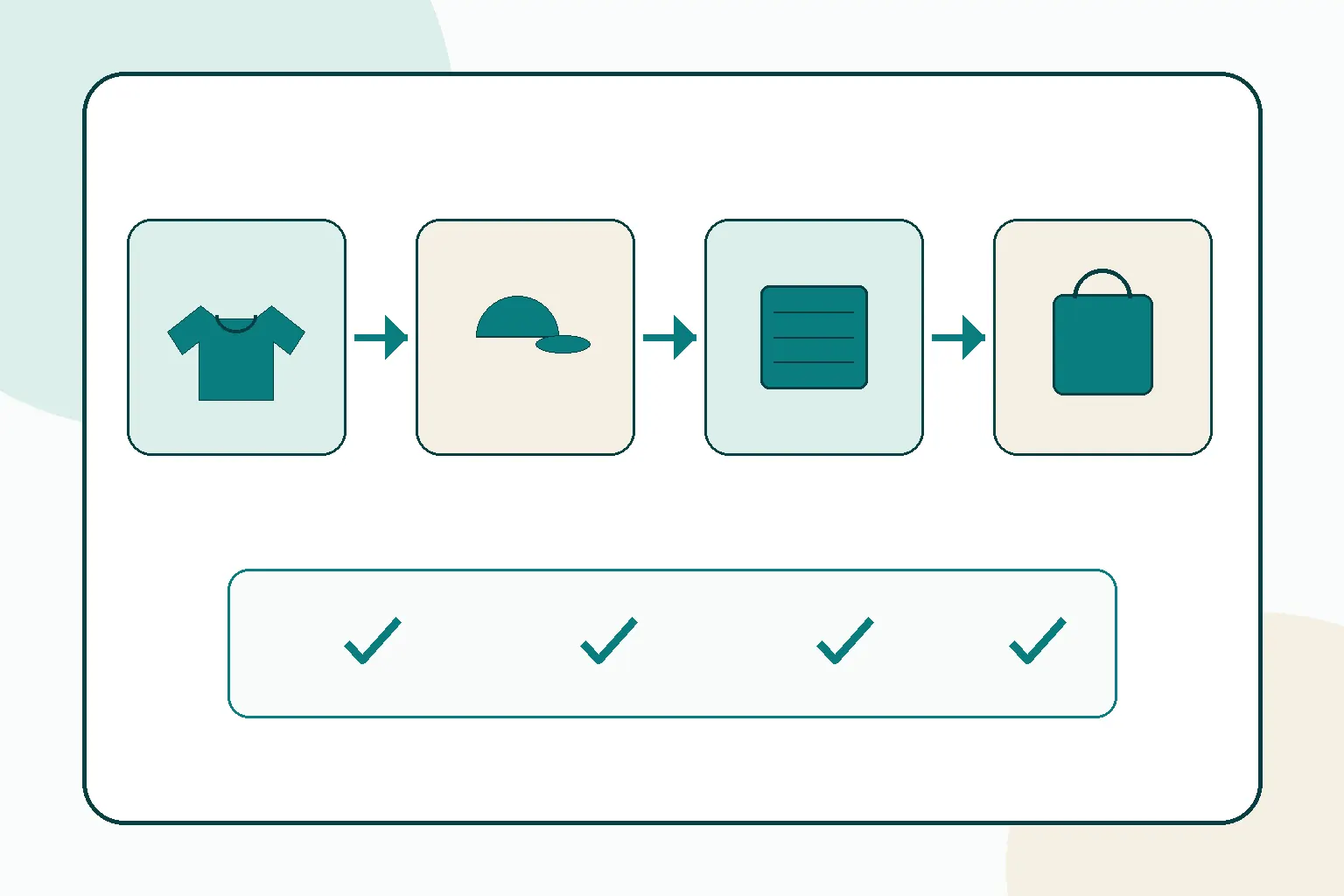
- 01Define the question
- 02Approve the right object
- 03Record conditions and limits
- 04Link it to the SKU
01
Material and component gates
Confirm identity, finish, color, hand, hardware mating and other project fields before complete sample approval hides a component mismatch.
02
Finished-sample gate
Review construction, dimensions, appearance, function, artwork and agreed evidence under the same controlled revision.
03
Change-control gate
A new fabric, coating, trim, color, production route or packing component reopens only the decisions it can affect, but it must not enter silently.
05 / evidence boundary
Keep company credentials, product evidence and shipment release in separate layers
ISO 9001, ISO 14001 and BSCI can support company-level due diligence when their current scope and entity are relevant. They do not prove that every product meets an unrelated performance, safety or destination standard.
| Decision layer | Typical evidence | What it can support | Buyer action |
|---|---|---|---|
| Company | Current management-system or social-audit document | Named entity, scope and validity shown by that record | Match document to contracting and production route |
| Product | Specification, sample, material file and test report | Exact construction and conditions described | Check model, revision, method and destination need |
| Process | Control plan, in-process record and change notice | Defined checkpoints and responsibility | Confirm frequency, method and escalation |
| Shipment | Inspection, count, packing and release record | Observed lot under stated sampling conditions | Define critical, major and minor acceptance logic |
06 / packing and continuity
Coordinate shipment readiness without mixing SKU-specific packing rules
Consolidation is valuable only when it preserves product identity and release status. Carton, inner-pack, assortment, labeling, moisture, deformation and handling risks differ among categories.
01
Freeze the pack specification
Control individual pack, assortment, carton count, dimensions, weight limits, marks, inserts and pallet needs for each SKU.
02
Preserve release identity
Connect packed units to the approved product, artwork, label and quantity record; do not replace item-level evidence with a general shipping summary.
03
Plan reorders as controlled revisions
Retain agreed references, document approved changes and verify which materials, processes and packing components must remain consistent.
07 / supplier screening
Ask questions that reveal responsibility before they reveal marketing claims
A credible supplier profile makes limits visible. It distinguishes confirmed company facts from project choices and explains how unknown specifications will be resolved.
01
Who owns the specification?
Identify who records revisions, confirms conflicts and prevents an outdated drawing, sample or artwork file from guiding production.
02
Where does each step occur?
Map material sourcing, cutting, sewing, welding, printing, assembly, inspection and packing to the relevant production route for that product.
03
How are exceptions handled?
Define who can approve deviation, what evidence is required, how affected inventory is contained and how the buyer is informed.
Company-specific FAQ
Questions procurement teams ask before opening an EverBen project
How does EverBen combine direct production with sourcing integration?
EverBen is positioned as a manufacturer plus sourcing integration partner. The production route can vary by category, while specification ownership, sample decisions, inspection planning, packing and communication remain coordinated for the buyer.
Which company-level documents can buyers request?
The currently confirmed company-level references are ISO 9001, ISO 14001 and BSCI. Buyers should review current scope, named entity, facility relevance and validity, and should define separate product or destination evidence where required.
Can one inquiry include products from several categories?
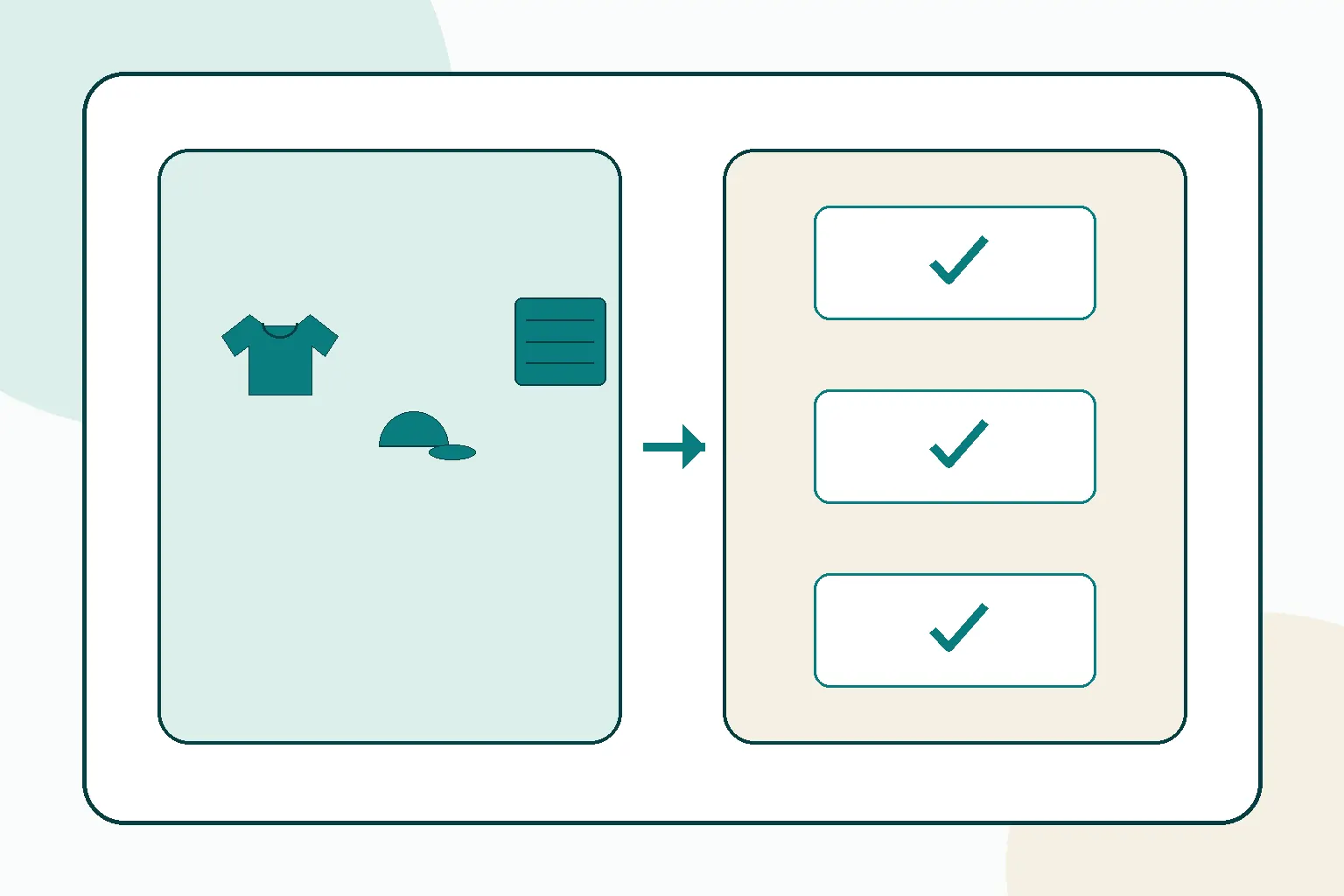
Yes. A mixed brief can be screened centrally, then divided into product-specific specification, sample, evidence and packing lanes. Consolidation should occur only where it does not hide different product risks.
Does one approved sample control every product in a program?
No. Each product family and meaningful SKU variation needs its own approved construction, artwork, color, packing and evidence references. The account-level plan connects these approvals without merging them.
What information helps EverBen screen a project?
Send the product family, intended user and use, target market, quantities by SKU, material or performance priorities, artwork, packing, destination and decision date. Unknown fields can be marked for joint definition rather than guessed.
How should a buyer verify manufacturing or sourcing responsibility?
Ask who owns the specification, where each production step occurs, which facility and process each document covers, who approves changes, and which evidence will be attached to sample and shipment release.
Next decision
Build one accountable brief without reducing eight categories to one generic promise
Send the product families, use, market, quantity by SKU, current specification, artwork, evidence list, packing needs, destination and decision date. EverBen can return a question map that shows what is confirmed, what remains open and which production or sourcing route owns each answer.