
Controlled-area evidence without compliance overclaiming
Magnetic PVC Curtains for ESD and Hygiene-Critical Areas: Plan the Evidence
Laboratory control review · EverBen · 7 October 2026
An anti-static label or a clean-looking transparent panel does not protect electronics, certify a cleanroom or establish sterility. Controlled-area procurement begins by separating the facility objective from the component evidence available for the exact offered material.
This guide helps electronics, laboratory and hygiene teams assemble questions, samples and records. It does not claim an ESD performance value, microbiological result, cleanroom class, chemical compatibility or compliance status for an unspecified EverBen curtain. Begin with the buyer’s own control plan and the exact proposed material identity. A supplier document may answer a narrow component question, while room classification, grounding strategy, sanitation validation and release authority remain with qualified site owners. Keep every result beside its method, condition, date and coded sample. When those links are absent, record an evidence gap instead of turning a category label into a facility conclusion. The objective is a reviewable decision file that tells operations what was evaluated, what was excluded and which change would require another approval. That discipline also supports responsible receiving and replacement decisions.
01 · functional split
Separate ESD, Contamination, Access and Airflow Objectives
A doorway component can participate in several facility controls, but each objective has its own owner, evidence and acceptance route.
Name the process risk first
Document the sensitive product or activity, the location of the doorway and the unwanted event the facility team is managing. Static-charge concerns, particulate transfer, splash exposure and unauthorized access are different problems even when they share one opening.
Assign owners by control domain
Identify the ESD coordinator, hygiene or quality owner, facilities representative, safety reviewer and procurement lead. Give each person a defined approval question. This prevents a supplier sales phrase from becoming a substitute for a facility risk decision.
State what the curtain cannot establish
A flexible panel alone cannot certify an ESD protected area, cleanroom classification, sterile boundary, room pressure or decontamination process. Put these exclusions in the project brief so later readers do not infer facility status from the installed appearance.
02 · ESD question
Define the Electrical Property Before Requesting a Value
“Anti-static” can refer to different behaviors, methods and environmental conditions. The buyer must specify the decision question before collecting numbers.
Ask which property is being reported
Determine whether the supplier is discussing surface resistance, volume resistance, charge decay or another characteristic. Record units, electrode arrangement, applied voltage and specimen preparation when available. A number without the measured property is not a usable purchasing fact.
Capture conditioning and environment
Humidity, temperature, cleaning history and specimen conditioning may influence an electrical result. Request the conditions reported by the test source and keep them beside the value. Do not copy a competitor’s published figure into EverBen documentation.
Connect the result to material identity
Require the report or data sheet to identify the exact proposed grade, thickness and revision. A generic PVC statement cannot validate a different formulation, tinted material, edge carrier or assembled doorway. Any mismatch remains an open evidence item.
03 · program interface
Place the Curtain Inside the Facility ESD Program
Even a documented dissipative material is only one object within grounding, personnel, packaging, equipment and verification controls.
Map contact and separation events
Observe where people, carts, loads and panels touch or separate. Identify nearby conductors, insulators and grounded structures for the facility specialist to review. The procurement article should expose interfaces, not prescribe an ESD engineering solution.
Keep grounding decisions with qualified owners
Do not assume that a magnetic edge, rail or metal part should be grounded without an approved design. Ask the site ESD and facilities teams to define any bonding requirement, inspection point and responsibility for ongoing verification.
Plan system-level verification separately
Material evidence may answer a component question, while the facility program determines whether the installed arrangement is acceptable. Record the buyer’s verification method and owner outside the supplier claim so the two decisions cannot be confused.
04 · identity control
Create Sample Custody from Receipt to Decision
Controlled-area evidence fails when a test result, physical sample and production proposal cannot be shown to represent the same material.
Assign a unique sample code
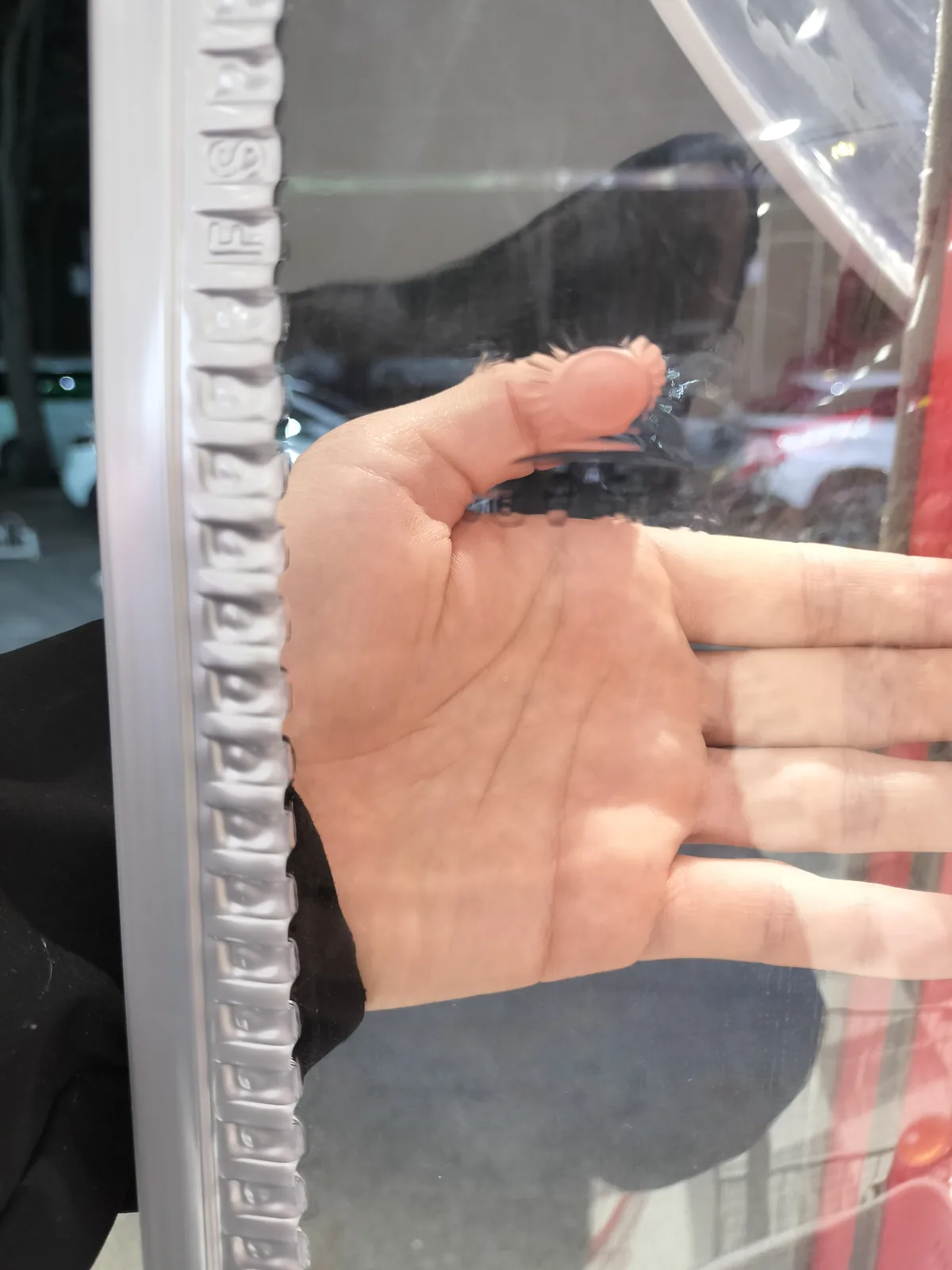
Label the sample, edge component and any rail segment with a project code, supplier item, receipt date and revision. Photograph labels beside the complete object. Avoid relying on a shipping carton or informal message as the only identity link.
Record who handled each evaluation
Keep a simple custody log for receipt, conditioning, testing, cleaning trials, storage and return. Note any cutting or surface change. This helps the technical owner decide whether a later result still describes the material first received.
Retain a reference when practical
Store an approved witness piece under defined conditions or create a detailed photographic and dimensional record. The purchase order should name the reference and require notice before substitution. A retained sample is comparison evidence, not proof of future performance.
05 · hygiene objective
Translate “Hygiene-Critical” into Cleaning and Surface Questions
A hygiene requirement should describe soils, cleaning agents, contact steps and inspection outcomes instead of promising sterile conditions from a curtain.
List realistic contamination routes
Describe touch points, splash direction, dust sources and traffic transfer that the facility manages. Separate visible cleanliness from microbiological control. The site quality team determines whether a flexible doorway belongs in the process.
Identify proposed cleaning chemistry
Provide agent name, concentration, temperature, contact time, wiping tool, rinse and drying process to the supplier for compatibility review. A generic statement such as “easy to clean” is not approval for an existing sanitation procedure.
Define observable surface acceptance
Before a trial, agree how haze, tackiness, discoloration, cracking, edge damage and residue will be recorded. If microbiological or chemical validation is required, keep it under the facility’s qualified protocol rather than inferring it from appearance.
06 · construction map
Review Every Exposed Surface and Joint
Cleaning and ESD questions apply to more than the center panel. Edge carriers, attachments, rail interfaces and lower clearances must be visible in the review.
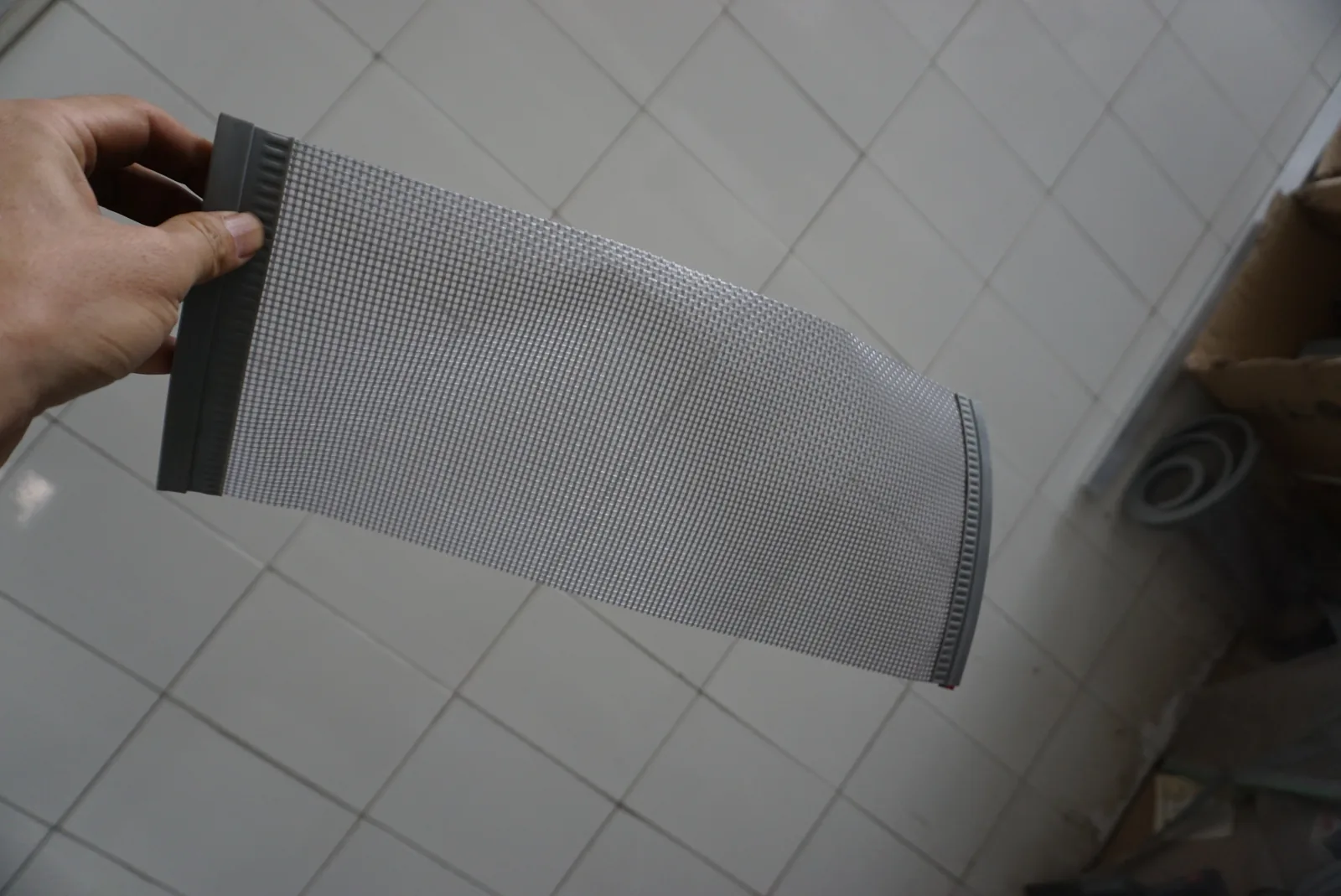
Inventory exposed materials
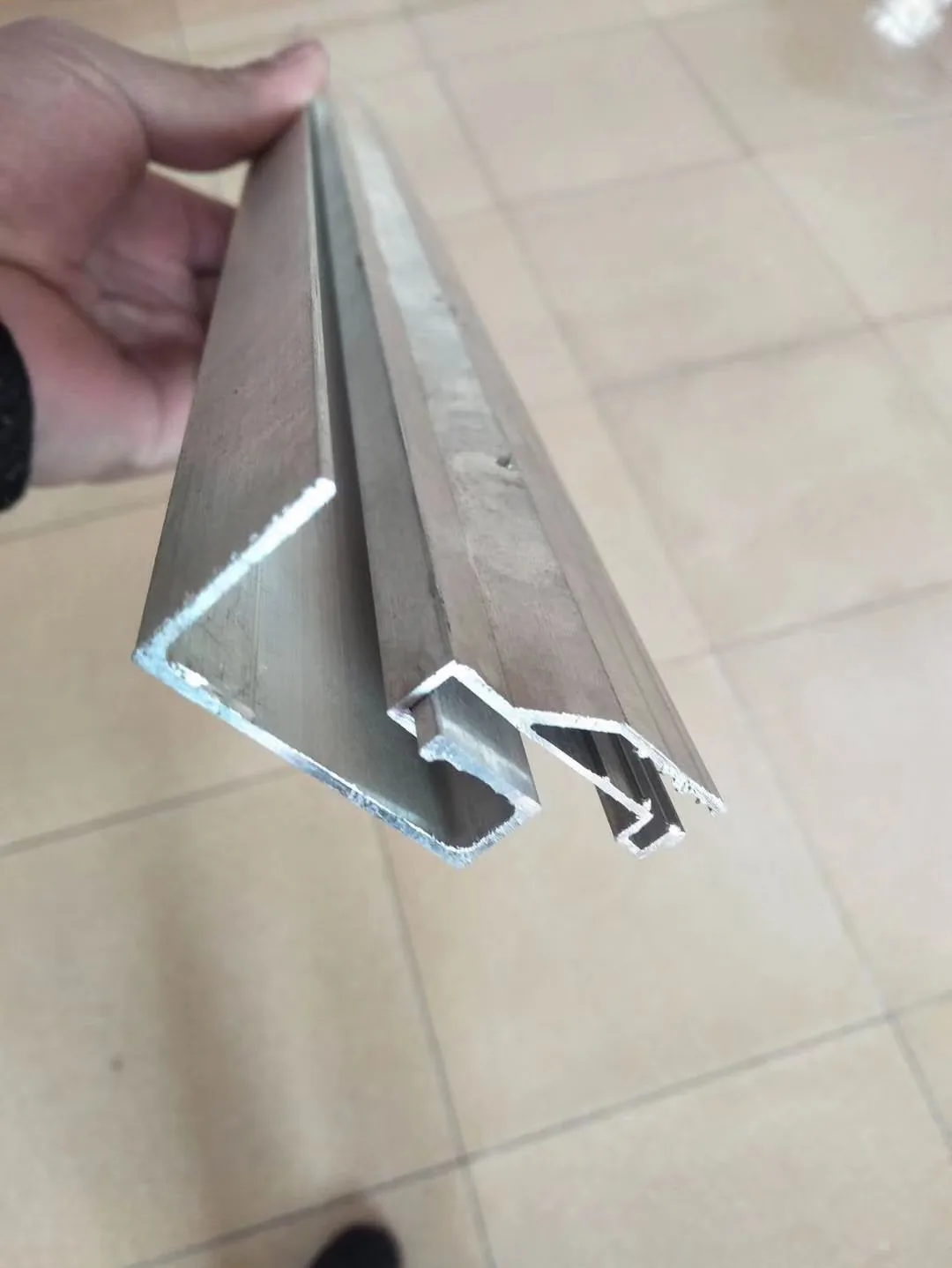
List the clear panel, edge carrier, magnetic insert enclosure, top rail, connectors and fasteners. Ask the supplier to identify each proposed material where relevant. Unidentified black or metallic components should remain open questions.
Inspect joints and retention features
Use close photographs to locate seams, folds, pockets, fastener heads and transition points where soil or damage may appear. The facility owner decides whether the construction is acceptable for the cleaning zone and inspection access required.
Control floor and equipment contact
Measure lower clearance and observe panel movement around benches, carts and process equipment. Persistent contact can change surface condition and cleaning burden. Record the geometry rather than claiming that a nominal panel length solves every site.
07 · facility interface
Keep Air-Path and Room Classification Decisions Separate
A flexible curtain can alter a doorway, but it does not independently establish room pressure, air changes, particle control or classification.
Document the current air strategy
Ask facilities to describe supply and return locations, pressure intent, adjacent door states and alarms that matter at the opening. Supplier drawings should show geometry but must not claim room-level performance without a qualified assessment.
Identify verification ownership
Name who will check pressure, airflow or particle conditions after any doorway change. Record the facility method and acceptance basis. The supplier can provide component information, while the site controls the validation decision.
Use conservative escalation triggers
If the opening affects a classified, regulated or safety-critical space, require review by the responsible specialist before purchase. Avoid using transparent appearance, magnetic return or marketing terminology as an informal substitute for that review.
08 · compatibility observation
Run a Documented Cleaning Observation
A small controlled trial can reveal visible changes, provided the sample, cleaning process and limits are fixed before the work begins.
Prepare the sample consistently
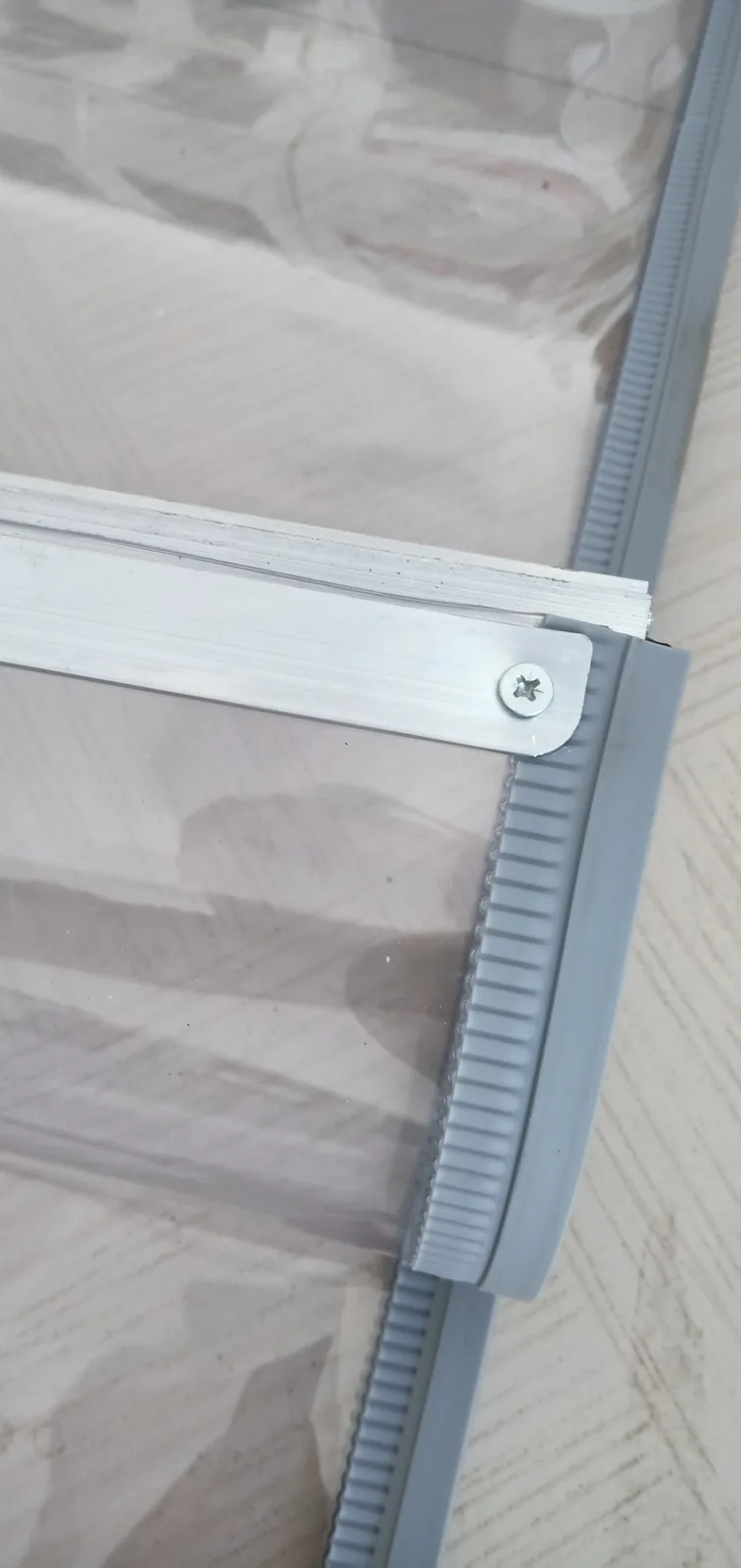
Record sample code, initial photographs, dimensions and visible condition. Use the same cleaning agent, concentration, tool, contact period, rinse and drying steps planned for the observation. Deviations should be recorded rather than silently corrected.
Observe without inventing laboratory conclusions
Check visible haze, color, tackiness, surface marks, edge integrity and attachment changes at stated times. A visual observation does not establish chemical resistance, microbial reduction or long-term compatibility unless those questions are tested under an appropriate protocol.
Write a bounded decision note
State whether the sample is accepted for the observed process, rejected, or requires additional work. Repeat the limitations and identify the production material the supplier proposes to match. This note should not be reused for different chemistry or construction.
09 · workflow fit
Observe Traffic without Compromising Controlled Practices
The chosen geometry must fit people, carts and material transfer while preserving the site’s approved behavior and safety route.
Map gowning and hand-use constraints
Record whether users have gloved hands, carry trays or push carts, and where contact with the panel occurs. Ask the hygiene and ESD owners whether that contact pattern creates a control or cleaning issue.
Trial both directions and representative loads
Use the largest normal cart or load and observe approach, panel deflection, center return and contact with nearby equipment. The record should describe behavior; it should not predict productivity, contamination reduction or energy savings.
Protect emergency and exceptional routes
Confirm that the proposed curtain does not replace required doors, barriers or emergency controls. Document excluded vehicle speeds, sharp loads and unusual movements. Route any safety question to the site authority before approval.
10 · ongoing control
Monitor the Installed Item as a Controlled Component
After installation, identity, surface condition and hardware integrity need a simple record that fits the facility’s existing inspection system.
Set inspection points and frequency
Choose visible panel areas, edge attachments, rail connections and lower clearances for review. Frequency is a facility decision based on use and risk; the article does not prescribe a universal interval.
Define hold and escalation conditions
List observations that trigger isolation, specialist review or replacement, such as loose parts, severe surface damage or changed geometry. Keep these conditions separate from cosmetic preferences so operations know when a controlled decision is required.
Preserve replacement identity
Code panels and edge parts against the released drawing and approved sample. A replacement request should include that identity and any change in cleaning or process conditions. Do not accept a visually similar substitute without review.
Controlled-area evidence order
Begin with the coded offered material, then the complete assembly, and finally the facility validation record.
A label cannot inherit a room status
No component name transfers cleanroom, sterile or ESD-program approval to an installed doorway.
11 · supplier questionnaire
Ask Suppliers for Verifiable, Limited Answers
The questionnaire should reward traceability and explicit gaps rather than broad assurances about sensitive environments.

Request named documents
Ask for material designation, relevant report or data-sheet revision, test method, sample identity and issuing organization. If no applicable evidence exists, the supplier should be able to state that clearly without losing the rest of the commercial discussion.
Separate standard references from conformity
Mention of IEC, ANSI, ISO, ASTM or GMP does not by itself show that the offered material or installation conforms. Require the buyer’s qualified owner to determine which requirement applies and what evidence is acceptable for this project.
Ask how changes are communicated
Request notice rules for formulation, thickness, source, edge construction, rail, packing and production location where relevant. Define the buyer response: document review, new sample, repeated observation or rejection.
12 · decision dossier
Compile a Decision Dossier before Order Release
A compact dossier lets quality, facilities, ESD and procurement see the same evidence, limitations and open actions.
Use separate fact statuses
Mark each item as buyer requirement, supplier proposal, verified project fact, unresolved question or exclusion. Do not let a proposal become “confirmed” simply because it appears in a quotation.
Attach approvals to revisions
List the drawing, sample, test document, cleaning observation and traffic trial by identifier and date. Record who approved each element. If one input changes, the dossier shows which decisions need to be reopened.
Keep commercial release conditional where needed
Quantity, destination, packing and timing can proceed only when the relevant technical gates are complete or an authorized exception is recorded. The dossier should make that condition visible to the purchasing and receiving teams.
Buyer FAQ
Questions About ESD and Hygiene Curtain Evidence
Does a magnetic PVC curtain protect sensitive electronics by itself?
No. Electronics protection depends on the facility ESD program and verified component behavior. This guide only structures the evidence questions for the proposed material and assembly.
Can a curtain maintain sterile conditions?
No such conclusion is made here. Sterility, cleanroom classification, pressure and microbiological control require facility-specific design and qualified validation beyond a flexible doorway component.
What should accompany an electrical property value?
Keep the measured property, method, units, electrode arrangement, applied conditions, specimen preparation, environment and exact material identity together. A detached number is not sufficient.
Why keep a coded sample after approval?
A coded reference helps compare production or replacement material with the item reviewed. It does not guarantee performance, but it preserves identity and reveals when a substitution needs new approval.
Controlled next step
Build a Controlled-Area Evidence Request
Send the facility objective, exact property question, cleaning process, sample-control needs, opening record and destination. EverBen can identify which component information is available and which decisions must remain with your ESD, quality and facilities owners.