
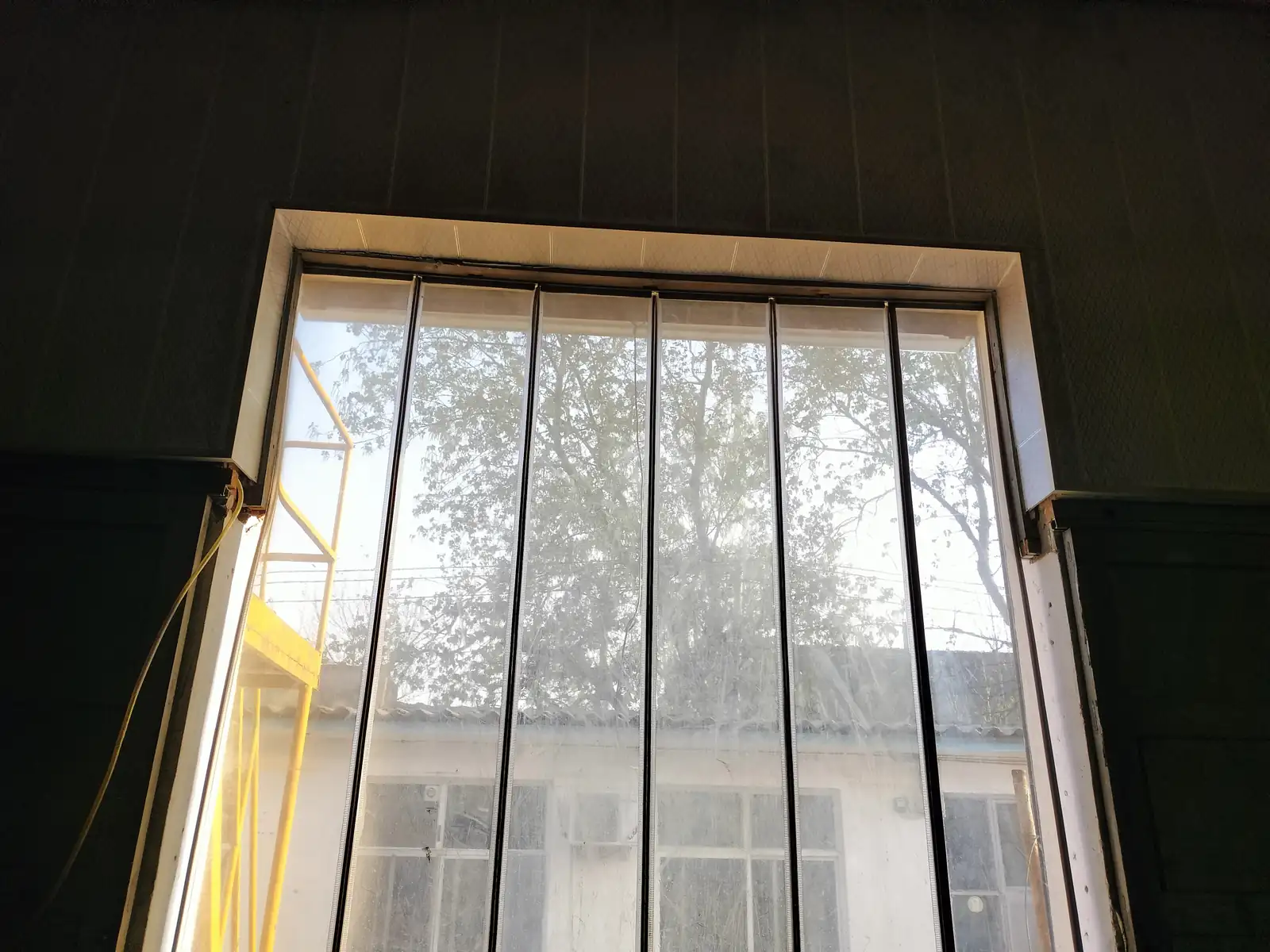
Exposed-opening evidence and approval planning
Outdoor Magnetic PVC Curtains: Build a Climate Evidence Plan
Climate evidence edition · EverBen · 7 October 2026
A sunlit or wind-exposed opening needs a project record, not a universal weatherproof label. The useful starting point is a dated description of the doorway, its surrounding structure and the conditions that act on the proposed panel pair.
This article is a buyer workflow for gathering site facts, requesting material evidence and limiting sample approval. It does not state that an unspecified magnetic PVC curtain survives a temperature range, wind load, rain event or outdoor service period.
01 · scope boundary
Replace “Weatherproof” with a Named Operating Case
The first procurement decision is linguistic: define what will be observed and refuse claims that have no material, assembly, duration or test condition attached.
Translate climate words into recorded variables
List the lowest and highest site temperatures expected by the buyer, whether those values are brief or sustained, direct solar exposure, rainfall direction, humidity, wash-down and local air movement. These are project inputs, not properties of the offered curtain. A supplier response should identify which inputs it can address and which remain outside its evidence.
Bind every statement to an offered configuration
A data sheet for a PVC formulation does not automatically cover a finished panel, sewn or bonded edge, magnetic carrier, top rail and site fasteners. Ask the supplier to name the exact item described by each document, including revision, thickness, color and any conditioning used before evaluation.
Write exclusions beside the approval
If no wind-load assessment, long-term outdoor ageing record or rainfall test is available, say so in the purchasing file. An honest exclusion keeps a limited sample observation from becoming an unlimited promise when the order is handed to operations or a later buyer.
02 · site survey
Create a Dimensioned Record of the Exposed Opening
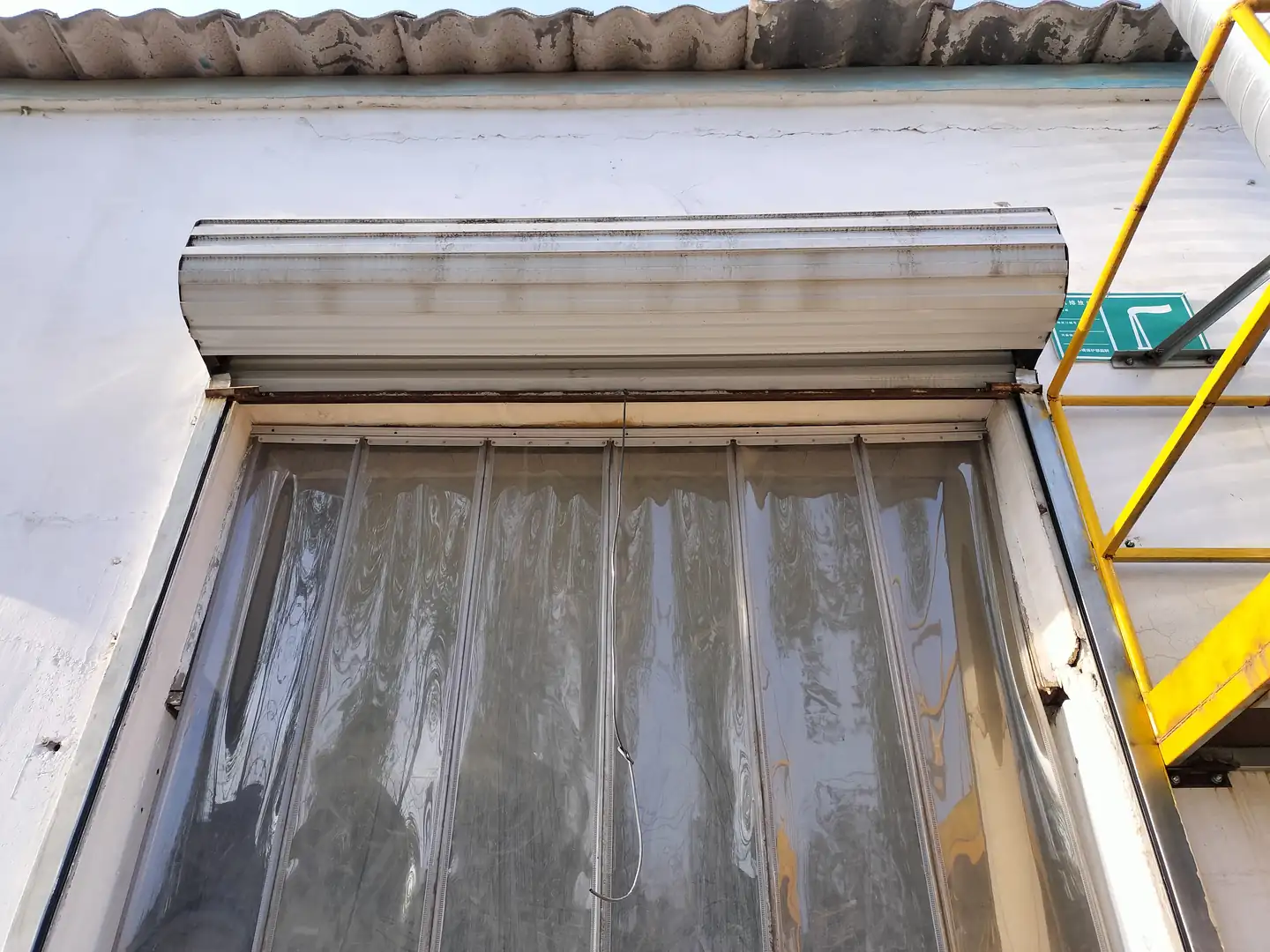
Measure the building interface before discussing material. A complete doorway record lets a reviewer see where the panel hangs, what it may contact and which work belongs to the site.
Use more than one width and height
Record clear width and height at the left, center and right, then check both diagonals. Note any taper, damaged masonry, projections or uneven floor. A nominal opening size can conceal the very geometry that changes panel overlap, center alignment and lower clearance.
Map the header and fixing zones
Photograph the entire lintel and both jambs with a scale reference. Mark areas where drilling is restricted, where services pass behind the surface and where the installer expects support. The curtain supplier should not silently assume that every visible surface can carry a rail.
Describe water and floor conditions
Show drains, slopes, curbs, door tracks and standing-water locations. Record whether cleaning water or rain can reach the lower edge. These facts help the buyer discuss clearance and care without claiming that the curtain is a flood barrier or sealed exterior door.
03 · condition record
Build a Short Climate and Door-Use Log
A compact observation log is more useful than a broad “extreme climate” label because it records when conditions occur and how the opening is actually used.
Observe representative periods
Choose ordinary and demanding operating periods, then record date, time, approximate temperature, visible rain, sun on the panel area and notable drafts. The log is descriptive. It should not be converted into a test result unless a qualified method and instrument plan are separately defined.
Count passage cases, not only cycles
Separate pedestrians, hand carts, pallet equipment and carried loads. Note travel direction, speed constraints and whether users hold panels aside. A low daily count can still contain a difficult passage case that determines the necessary trial.
Identify adjacent doors and equipment
Fans, dock doors, shutters and process exhaust may change the pressure felt at the opening. Record their state during observations. The buyer can then ask whether a sample review represents the same operating combination instead of treating a calm photograph as proof.
04 · document request
Ask for Material Evidence with Exact Identity
Material evidence becomes useful when the reviewed document can be matched to the sample and the proposed production item.
Identify formulation and finished format
Request the supplier designation, nominal thickness, visible finish, tint, manufacturing format and proposed production revision. If the supplier offers a low-temperature or outdoor grade, the buyer still needs the grade named on the quotation and the supporting document tied to that grade.
Read conditions around every number
A temperature or ageing figure requires a method, specimen description, conditioning, duration and acceptance basis. Record those details beside the number. Do not transfer a competitor’s published range or a raw-material statement to EverBen’s offered assembly.
Preserve the evidence chain
Store the quotation, data sheet, sample label, photographs and decision note under one project identifier. When any file changes, retain the earlier revision. This makes it possible to explain later which evidence was reviewed when the buyer released the sample or order.
05 · assembly review
Review the Panel Pair as a Closure Assembly
The magnetic meeting edge is only one element. The top support, panel dimensions, carrier orientation and bottom condition determine how the pair meets in the installed opening.
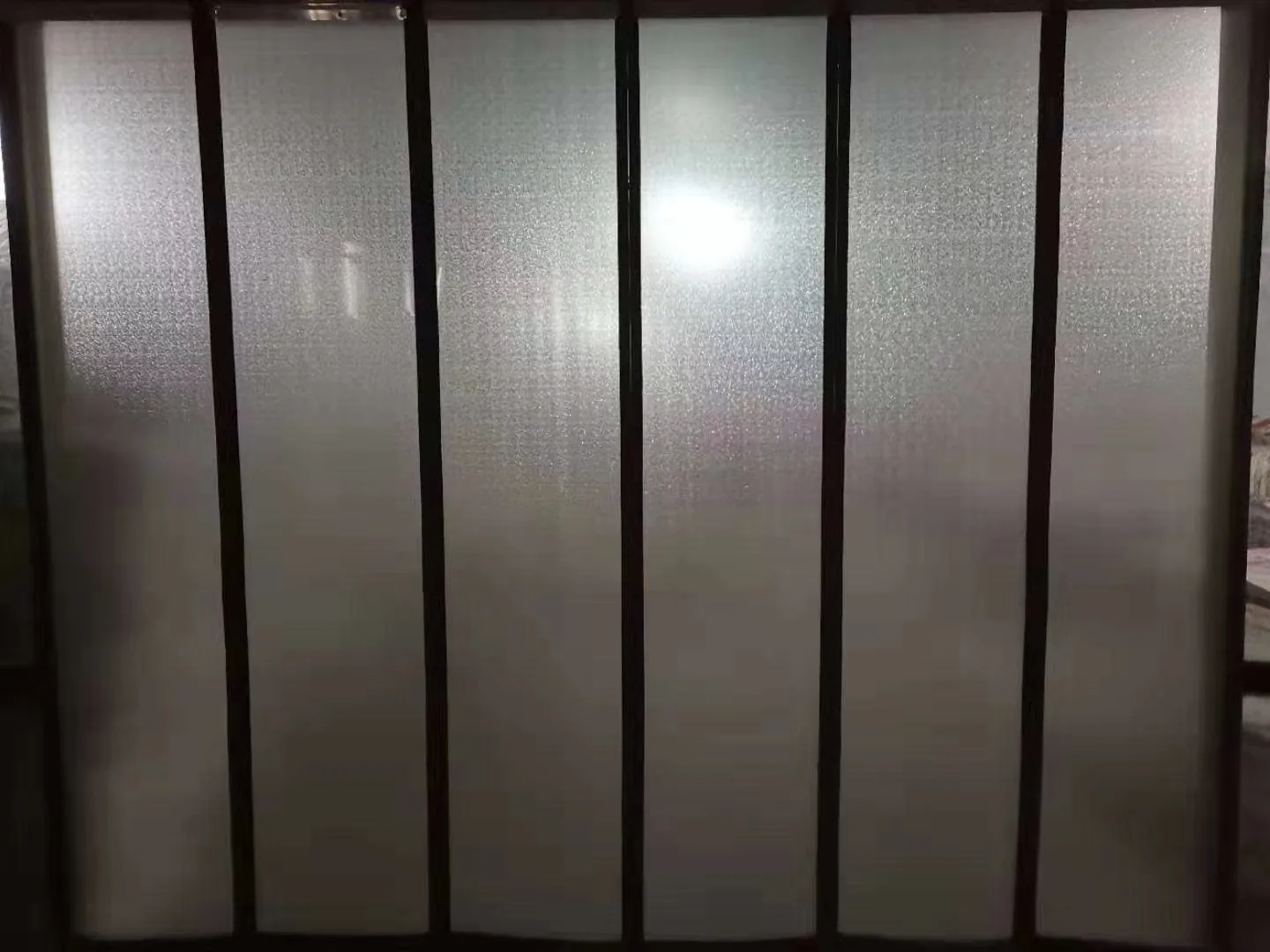
Check the center line from top to bottom
Ask for a drawing that locates both panels and the intended meeting line. During a trial, observe the upper, middle and lower edge separately. A center gap can come from frame geometry, panel hang, floor contact or carrier orientation rather than magnet strength alone.
Name every supplied component
List panels, edge carriers, magnetic inserts, rail sections, connectors, end stops and fasteners. Mark items supplied by the seller and items selected by the installer. A component schedule prevents an attractive panel sample from being mistaken for a complete site-ready kit.
Define the inspection viewpoint
Use full-height photographs from both sides plus local views of the header, center and floor. Keep the camera record linked to the opening drawing. Close-up images are useful for construction details but cannot replace the complete geometry view.
06 · site trial
Observe Air Movement Without Inventing a Wind Rating
When airflow matters, the buyer needs an observation plan that describes the site state and the panel response without converting a casual trial into engineering certification.
Define the operating combination
State which fans, adjacent doors and vehicles are active, where people stand and how long the observation lasts. Record changes during the period. A repeatable setup allows the buyer to compare two samples more honestly than an unspecified “windy doorway” demonstration.
Use safe qualitative observations
Note contact with nearby equipment, persistent displacement, difficulty returning to the intended center and interference with the traffic path. Avoid publishing a pressure capacity unless a qualified test, mounting arrangement and acceptance criterion support that value.
Escalate conditions beyond the flexible system
If the site requires a rated barrier, positive sealing, security or engineered wind resistance, route the problem to the appropriate door professional. A magnetic flexible panel should not be positioned as a substitute merely because it spans the opening in a photograph.
07 · installation boundary
Separate Curtain Supply from Building Work
A clear installation boundary prevents the supplier, installer and facility team from assuming that another party has checked the same interface.
Assign substrate verification
Name who confirms substrate type, condition and load suitability. Record whether backing, a secondary frame or repair work is required. The curtain quotation should identify assumptions rather than presenting a rail and generic fasteners as approval for every wall.
Coordinate tolerances and access
Document level tolerance, available tool space, nearby services and any work-height restriction. The drawing should show the reference datum and fixing pattern. If site dimensions change, pause fabrication until the affected panel and rail geometry is reviewed.
Create a handover checklist
At completion, reconcile part numbers, panel orientation, fasteners, clearances and photographs. Record any departure from the released drawing and who accepted it. The handover file becomes the starting point for maintenance and replacement, not a forgotten installation note.
08 · approval sample
Use a Representative Sample with Written Limits
A sample can answer specific questions only when its construction, observation conditions and relationship to production are clear.
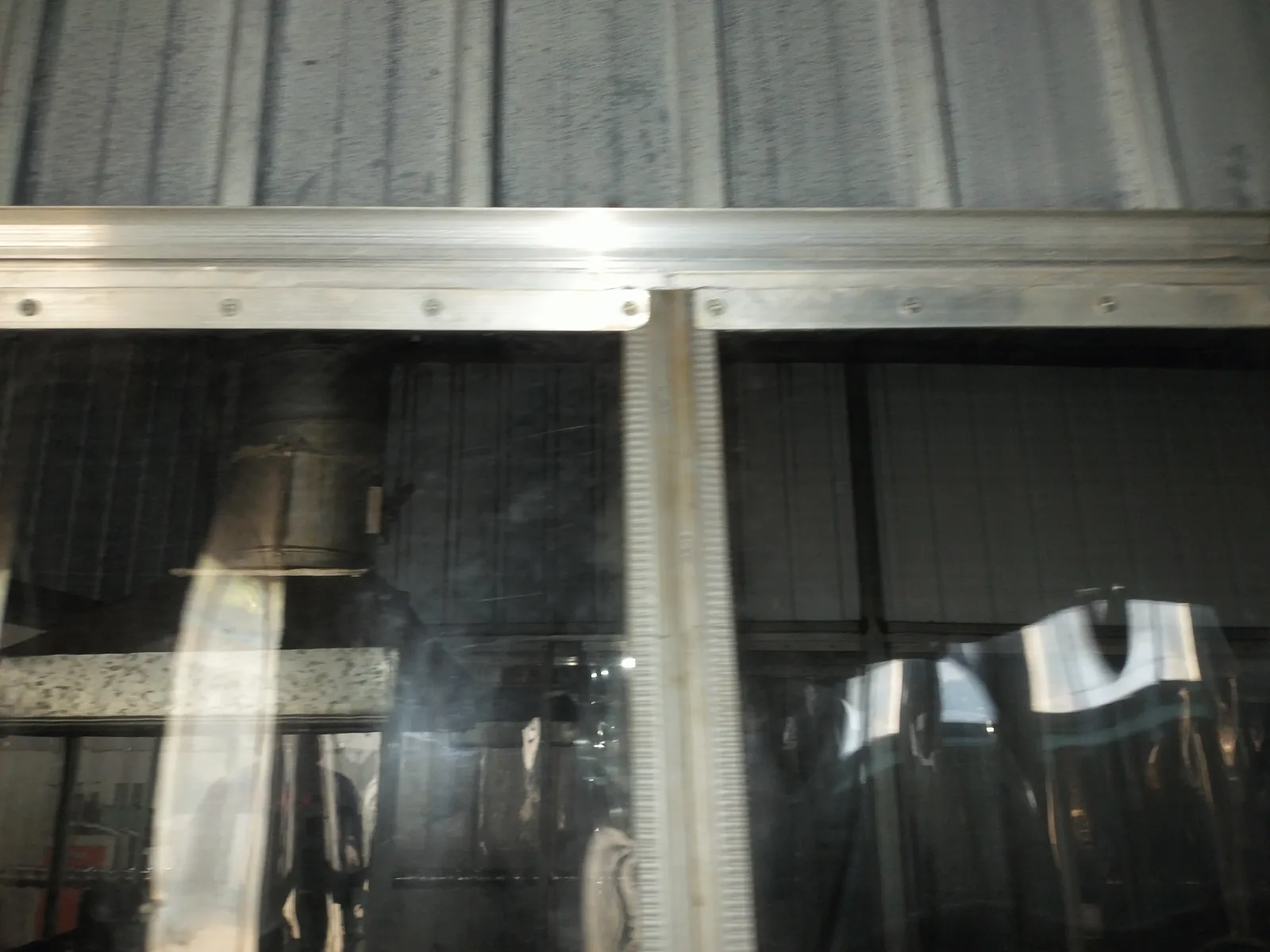
Choose the right sample scale
A loose swatch can confirm appearance and handling, while a panel segment can show an edge attachment. Closure return and passage require a larger representative assembly. Match the sample size to the buyer question instead of asking one small object to prove every feature.
Write acceptance language before review
List observable criteria, method, duration, decision owner and exclusions before the sample arrives. Include what happens if the site condition cannot be represented. Prewritten limits reduce the chance that enthusiasm during a demonstration expands the agreed scope.
Tie production to the approved identity
Keep a coded reference sample or detailed record, including component labels and photographs. The purchase order should require notice before material, edge, rail or process changes. Approval of one sample is not permission for an unidentified substitute.
09 · use review
Test the Largest Normal Passage Case
Doorway compatibility depends on the actual user and load envelope, including how the panels move before, during and after passage.
Draw the passage envelope
Record maximum width, height and protrusions for normal loads. Include handles, mast components and items carried beside the user. Compare that envelope with the clear route and panel sweep so a hidden snag point is discovered before release.
Observe approach and exit
Review both travel directions, stopping positions and nearby turns. Note whether users can see through the panel and whether they push at a consistent location. Training and marking may be needed, but they should not be assumed to cure an unsuitable geometry.
List prohibited or exceptional uses
Document emergency egress requirements, high-speed vehicles, sharp loads and any activity outside the proposed curtain’s review. Direct those cases to the responsible safety or door specialist. A procurement guide should make limitations visible rather than burying them in a supplier email.
10 · service record
Design a Seasonal Inspection That Finds Change Early
Outdoor exposure can change over time, so the buyer needs a repeatable visual and functional review rather than an unsupported service-life promise.
Photograph fixed reference points
Choose consistent views of the header, center edge, lower panel area and surrounding frame. Date each set and keep it with the maintenance record. Comparable images help distinguish progressive change from a one-time installation condition.
Record observable damage signatures
Look for tears, loose attachments, distorted carriers, persistent haze, contact with the floor and missing hardware. Describe what is seen without diagnosing a material cause that has not been investigated. Escalate any condition that affects safe use.
Control spare panels and storage
Label spares with the compatible drawing revision and protect them from deformation or unidentified mixing. Record storage orientation and packaging condition. A spare with no identity can create a second configuration that was never reviewed for the original opening.
11 · commercial comparison
Normalize Supplier Quotes Around Evidence and Scope
A useful comparison matrix separates offered facts, buyer assumptions, exclusions and open questions before headline price is considered.
Compare equivalent line items
Give each bidder the same opening record, component schedule, sample request, packing needs and destination. Ask for responses in the same columns. Missing values should remain blank or marked as exceptions rather than filled with buyer guesses.
Price departures visibly
Identify omitted hardware, site work, documentation, spares and trial activity. A lower quotation may simply stop at a different boundary. Convert those differences into comparable allowances only with buyer-owned assumptions that are documented in the award record.
Rank evidence by relevance
Place exact offered-assembly evidence first, related component documents second and general background information last. Competitor web pages can reveal questions but cannot substantiate EverBen’s offer. The matrix should show that distinction beside every sensitive claim.
Evidence relevance inside the award file
Exact offered-assembly records outrank related component documents, while general references remain background only.
Unresolved climate questions stay visible
A missing project-specific answer is recorded as open; it is never replaced by a broad catalogue phrase.
12 · revision control
Reopen Approval When a Critical Input Changes
Climate projects drift when new dimensions, materials or destinations appear after sample sign-off. A short change procedure protects the meaning of the earlier decision.
Define critical characteristics
Identify panel material designation, thickness, dimensions, edge construction, rail, hardware and packing items that cannot change without notice. Add site geometry and operating assumptions that would also force a review.
Assess the affected evidence
For each proposed change, state which drawing, sample observation, document and installation step is no longer representative. Recheck only what is affected, but do not keep an approval whose factual basis has disappeared.
Record disposition and ownership
Use accept, reject, conditional accept or new-sample-required as controlled outcomes. Name the decision owner and date. This creates a traceable path without implying that the supplier or buyer has certified conditions beyond the reviewed project.
13 · RFQ handoff
Issue an RFQ That Makes Unknowns Visible
The final request should let every bidder see the same facts and identify which values remain proposed, unverified or buyer-owned.
Attach a concise site pack
Include measured drawings, dated photographs, climate and use log, substrate notes, passage envelope and destination. Remove unsupported labels from filenames and headings so they do not become accidental requirements.
Request project-specific replies
Ask bidders to return the component schedule, identified material documents, sample proposal, departure list, packing plan and commercial terms for the exact quantity. Do not publish a universal MOQ, delivery time or warranty where no approved offer exists.
Set the next decision meeting
Name who will review technical scope, installation, safety, logistics and commercial terms. Keep unresolved fields on an action list. A controlled RFQ is successful when it exposes decisions, not when it merely produces a fast price.
Buyer FAQ
Questions About Outdoor Magnetic PVC Curtain Evidence
Does this guide prove that a magnetic PVC curtain is weatherproof?
No. It explains how to record an exposed opening and request project-specific evidence. Suitability depends on the identified material, complete assembly, mounting, operating conditions and buyer approval.
What should a climate log contain?
Record dated temperature observations, sun and rain exposure, notable air movement, nearby equipment states, passage cases and photographs. The log is a project input, not a certified test report.
Can a material data sheet approve the whole doorway?
No. A material document may support one identified component under stated conditions. The buyer must separately review panel construction, magnetic edges, rail, fasteners, site interfaces and the representative sample.
When should an approved sample be reviewed again?
Reopen the affected approval when material identity, dimensions, edge construction, mounting parts, site geometry, operating condition or destination requirement changes.
Controlled next step
Prepare a Traceable Exposed-Opening Review
Share the dimensioned opening record, condition log, passage cases and evidence questions. EverBen can then respond with a proposed scope and a visible list of items that still require project confirmation; no climate outcome is assumed before that review.