
Sustainability guide · B2B procurement
Are Magnetic PVC Curtains Eco-Friendly? A Practical Buyer's Guide
A magnetic PVC curtain is not automatically an environmental benefit. Its defensible value depends on the measured opening, the complete assembly, how long it stays serviceable, what happens after damage, and whether a real local end-of-life route accepts its separated components.
Use this guide to turn a broad “green” request into verifiable questions for the product file, the installation team and the receiving location.
01 · A claim needs a boundary
Replace “Eco-Friendly” with Specific Questions a Buyer Can Check
The useful question is not whether a curtain has a green label. It is whether the proposed assembly can perform a defined doorway task over a stated service period with documented materials, controlled maintenance and an achievable end-of-life route.
State the claimed benefit
Separate operational air-exchange control, service-life extension, reduced replacement frequency, recycled content and end-of-life recovery. Each is a different claim and needs its own evidence.
Name the comparison
Compare like with like: the same opening, traffic, temperature context, mounting arrangement and expected period of use. A catalog comparison is not a life-cycle comparison.
Record the limitation
When the evidence is not available, write “to be confirmed by project” rather than converting a general material description into an environmental promise.
02 · Define the decision unit
Start with the Opening, the Service Period and the Real Operating Task
Two curtains cannot be compared responsibly until the buyer defines what they must do at the same opening. A smaller or lightly used doorway is not a fair proxy for a busy loading path.
Opening record
Capture width, height, header, threshold, adjacent air paths and the panel arrangement. These details determine the material quantity and the routes through which air can move.
Traffic record
Log pedestrians, carts, pallet trucks, direction, peaks and collision risks. Traffic affects whether an edge returns to position and whether replacement planning is realistic.
Review period
Agree a service period and inspection interval. Without them, “durable” and “less waste” have no measurable reference point.
03 · What is being assessed
Evaluate the Complete Assembly, Not “PVC” in Isolation
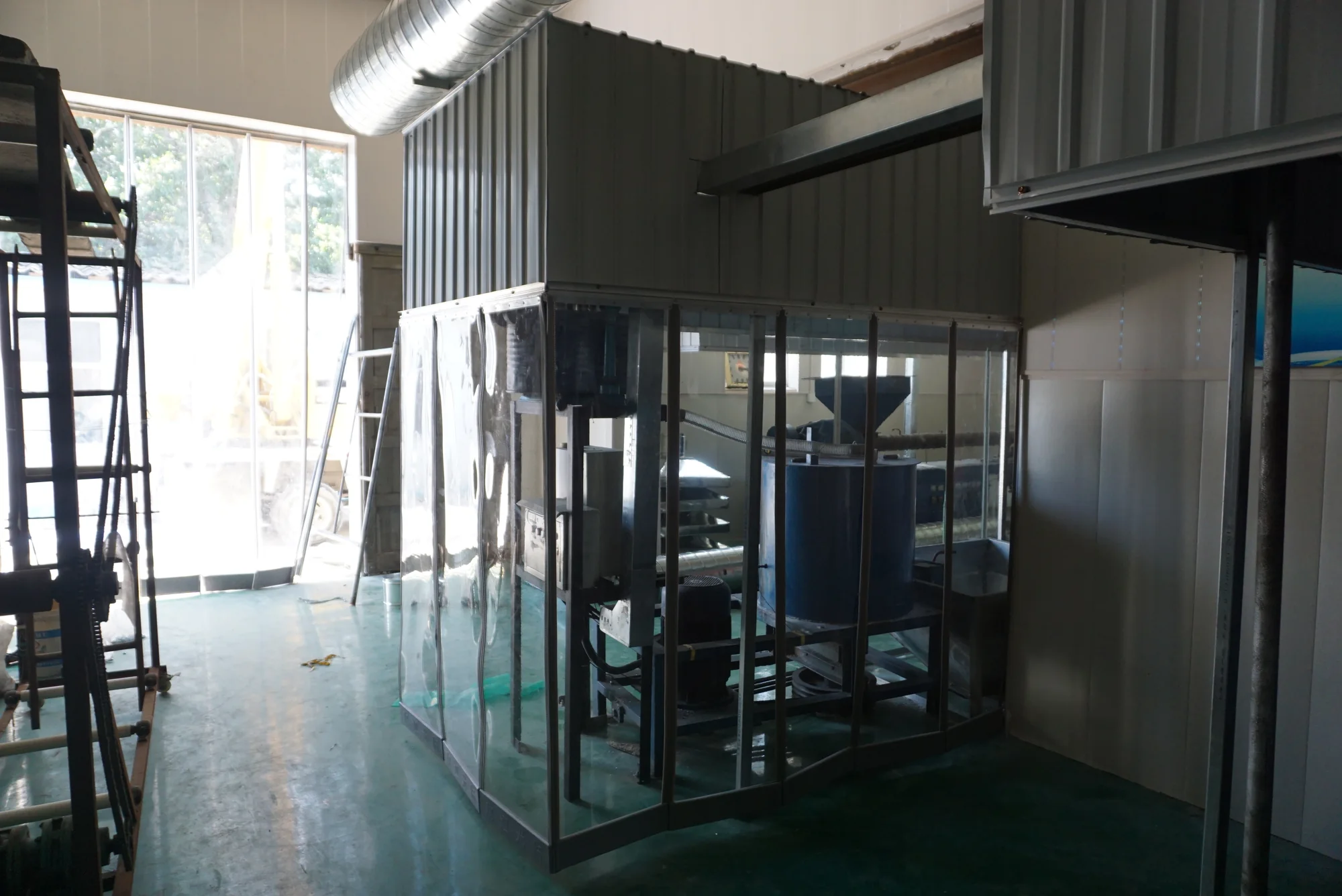
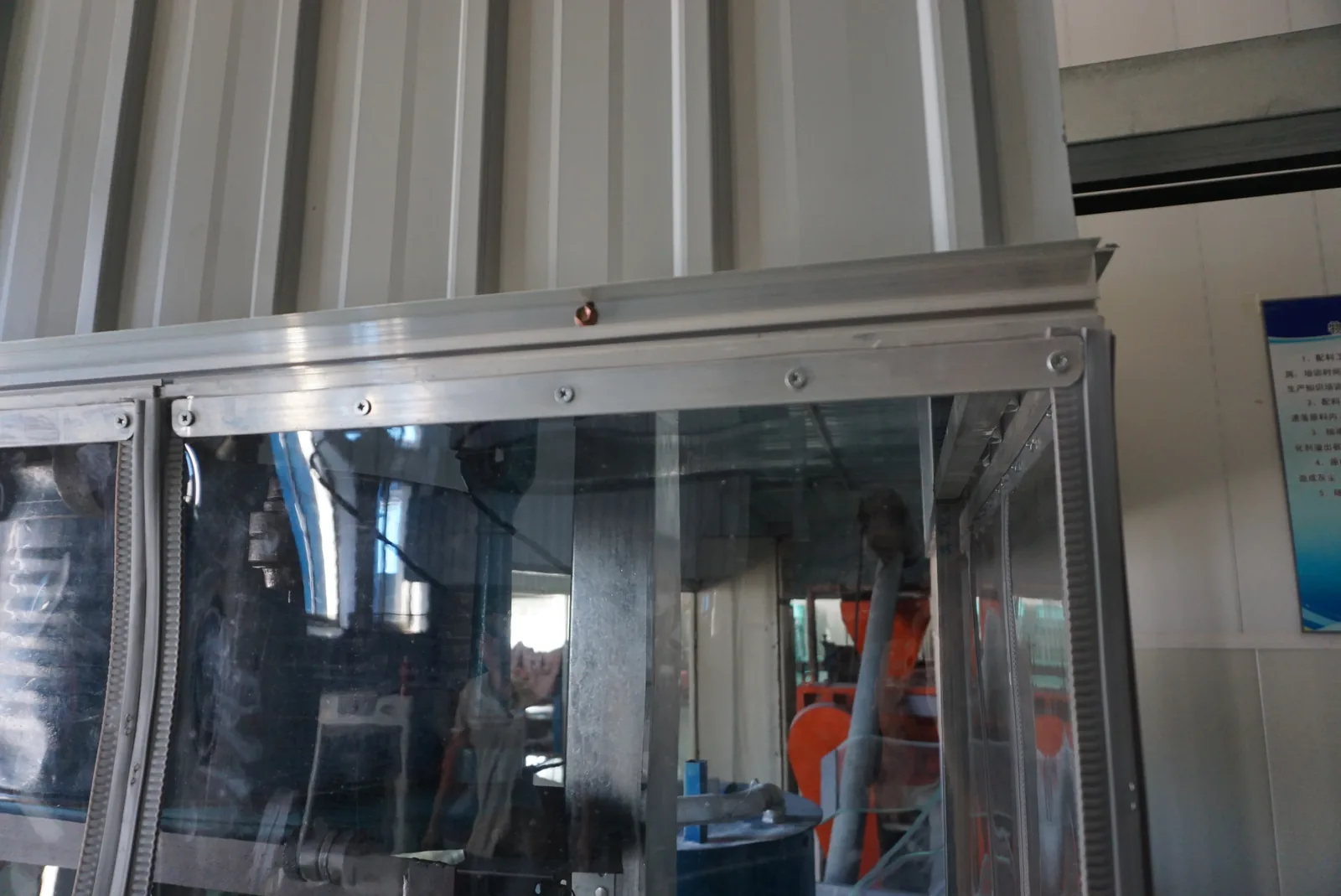
A magnetic doorway can include clear flexible panels, edge profiles, magnets, a top attachment system, rails and fastening interfaces. A claim about one component does not describe the complete installed system.
Panel material
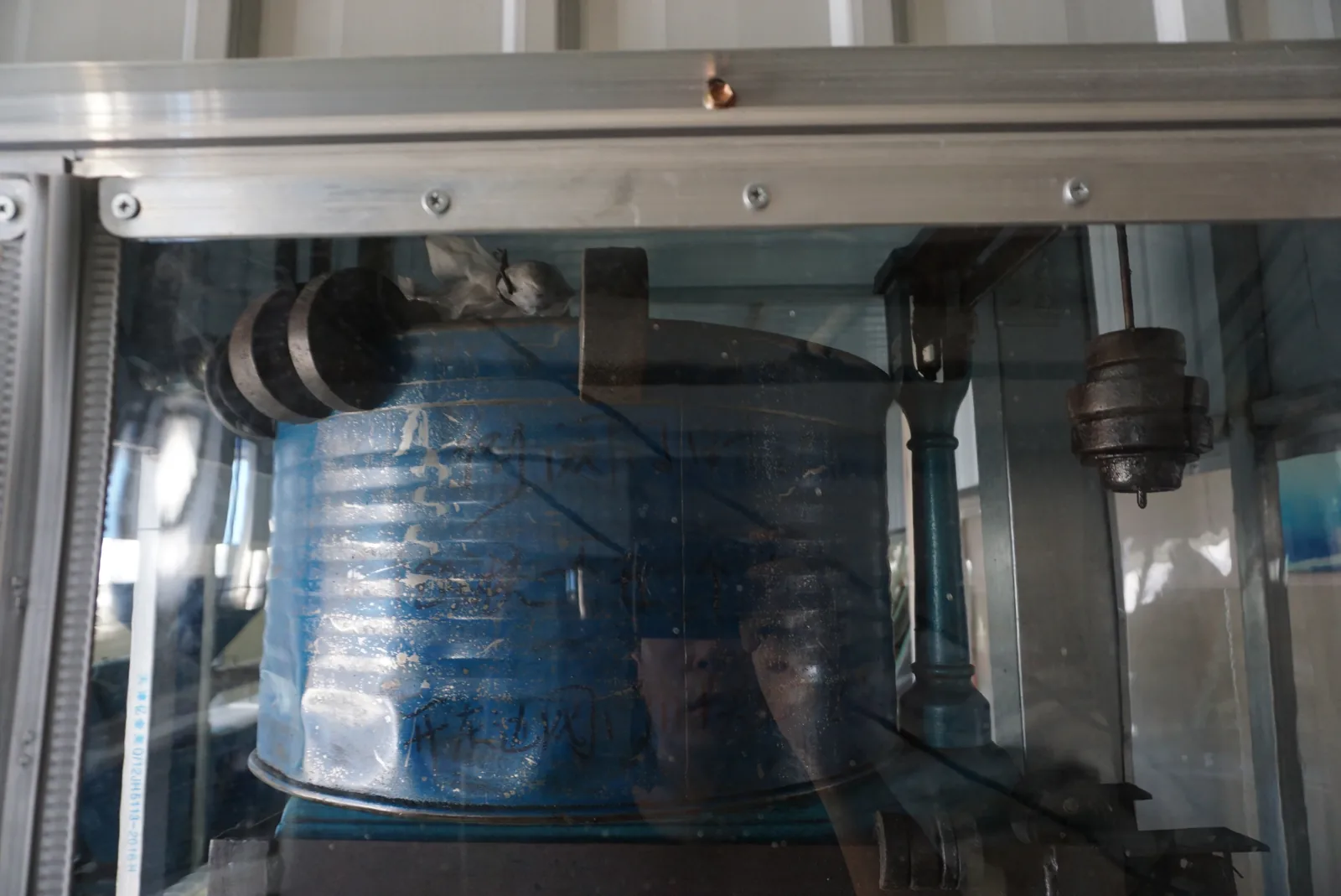
Request the material description that applies to the actual order. Do not infer formulation, additives, recycled content or compliance from a photograph or a generic family name.
Closing-edge components
Identify the two mating edges and how their components are integrated. The interface should be traceable in the drawing and spare-part record.
Rail and hardware
Keep rails, fixings and other non-panel components visible in the bill of materials. They affect both service work and end-of-life separation.
04 · Operational effect
Understand How Fit and Closure Can Influence Air Exchange
A curtain may help reduce unwanted open gaps when its panels, closing edge and mounting arrangement remain aligned after normal passage. The result is conditional; it is not an airtightness guarantee.
Return after passage
Observe the represented traffic case. If a cart, pallet or person leaves a panel displaced, the operating result changes regardless of the material label.
Geometry and obstruction
Header level, threshold condition, side clearances and nearby equipment can prevent a clean return. Record departures rather than masking them with a generic performance claim.
Temperature and pressure context
Indoor/outdoor pressure, refrigeration load, temperature difference and other building systems influence air movement. They belong in the project assessment, not a universal product statement.
05 · Energy evidence
Estimate Possible Energy Effects without Promising a Fixed Saving
For some temperature-controlled operations, a barrier that closes consistently may be one measure that reduces unwanted air movement. A savings claim needs the actual baseline, operating data and a stated comparison period.
| Buyer record | Why it matters | Decision use |
|---|---|---|
| Opening size and hours of operation | Defines the physical and time boundary | Prevents comparison with an unrelated doorway |
| Traffic count and observed open-gap events | Shows whether closure is likely to affect the operating case | Sets a practical trial or inspection method |
| Temperature, equipment and utility baseline | Links the curtain to a real site system | Allows a qualified before/after review |
| Maintenance and replacement record | Shows whether the original configuration stayed in service | Stops a short trial from becoming a lifetime promise |
06 · Keep service life visible
Service Life Depends on Site Conditions, not a Generic Durability Word
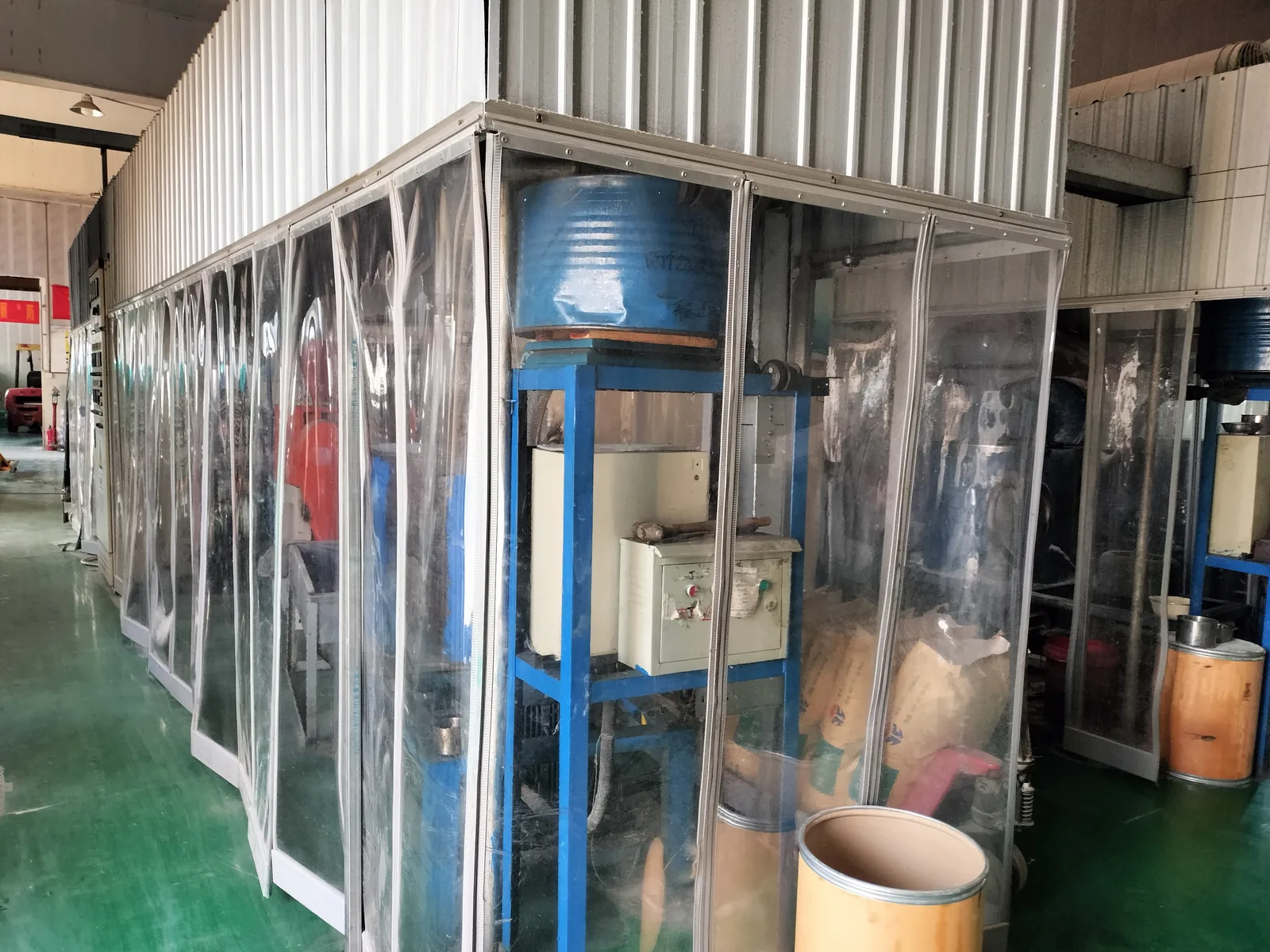
Abrasion, impacts, cleaning chemicals, UV exposure, temperature, mounting condition and edge alignment can change the replacement cycle. The procurement file should make those variables inspectable.
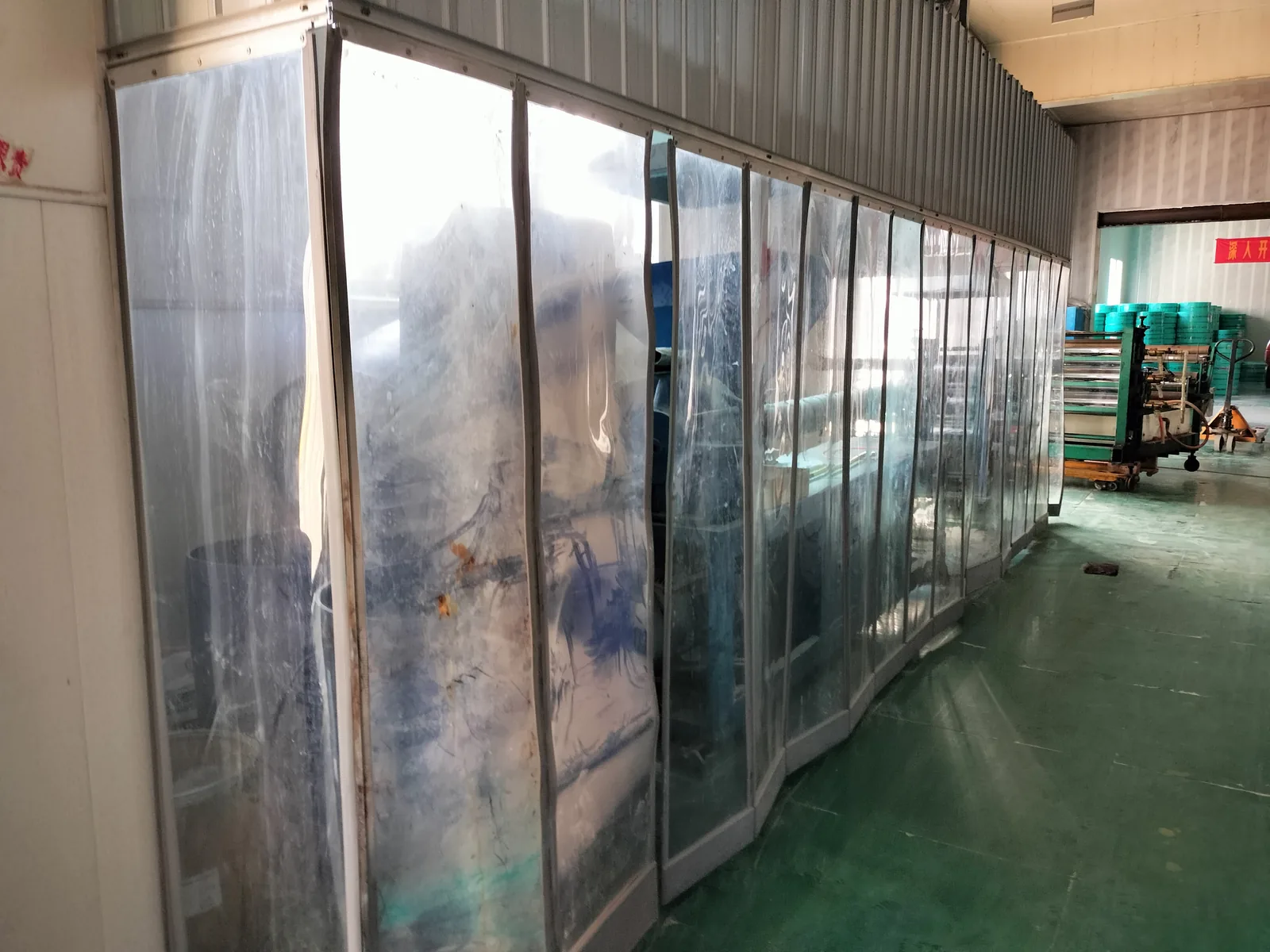
Inspect the likely wear points
Define what the site checks: tears, clouding, edge damage, top attachment, rail interface, displaced panels and hardware condition.
Inspection interval
Set an interval that reflects the traffic level and environment, then record the finding rather than assuming a fixed lifetime.
Decision record
Note whether the condition calls for cleaning, adjustment, component replacement or a wider project review.
Match cleaning to the order
Confirm the cleaning method and any chemical-exposure limits with the supplier for the exact material. A generic cleaner recommendation is not a compatibility approval.
Protect traceability
Keep configuration, panel and edge identifiers with the maintenance record. A future buyer should be able to identify what was installed and what changed.
07 · Prevent avoidable replacement
Plan Repair and Replacement at Component Level
A serviceable project can avoid treating every issue as a complete-system disposal event. That requires a documented component boundary before the first order, not after a panel is damaged.
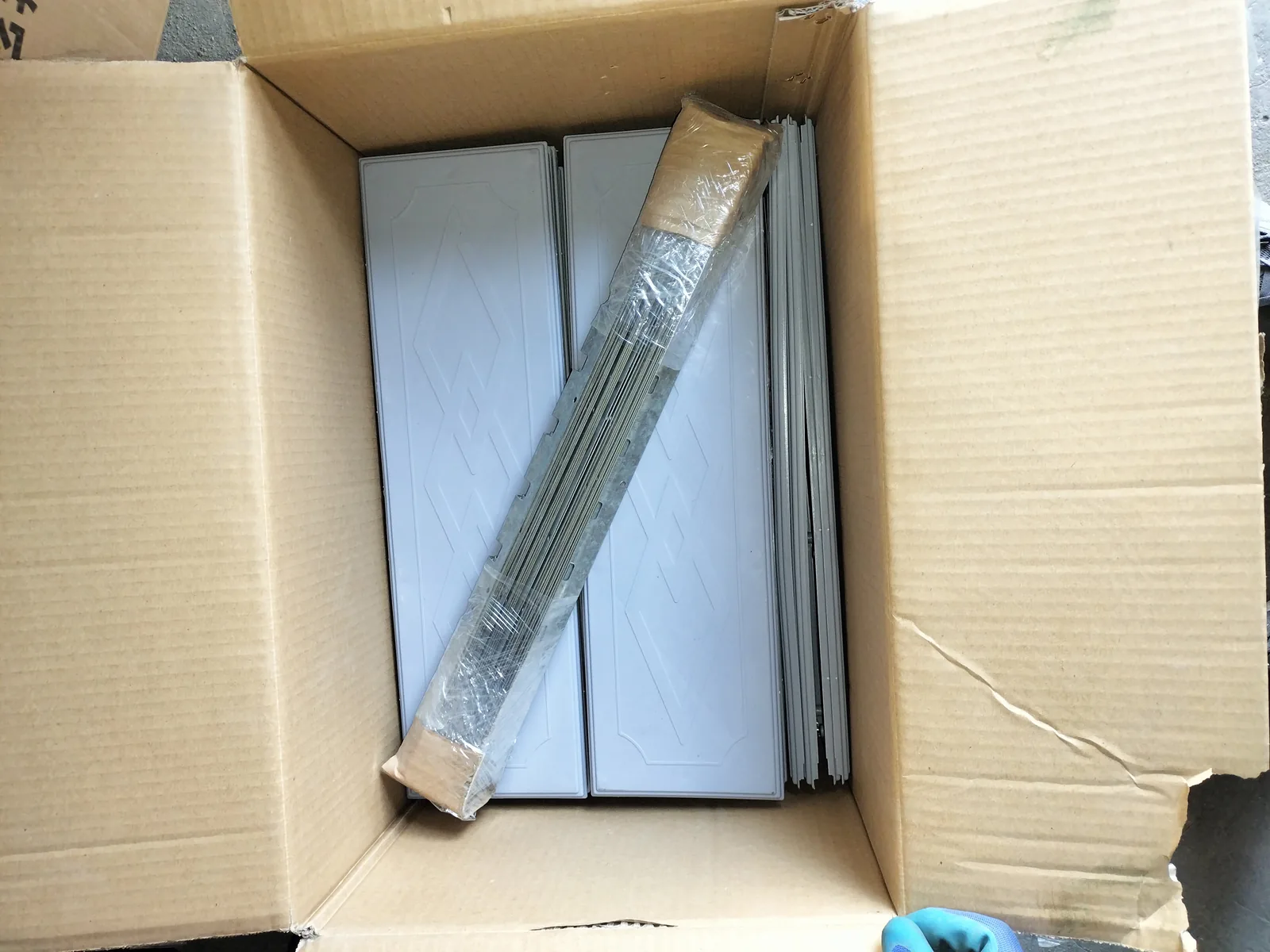
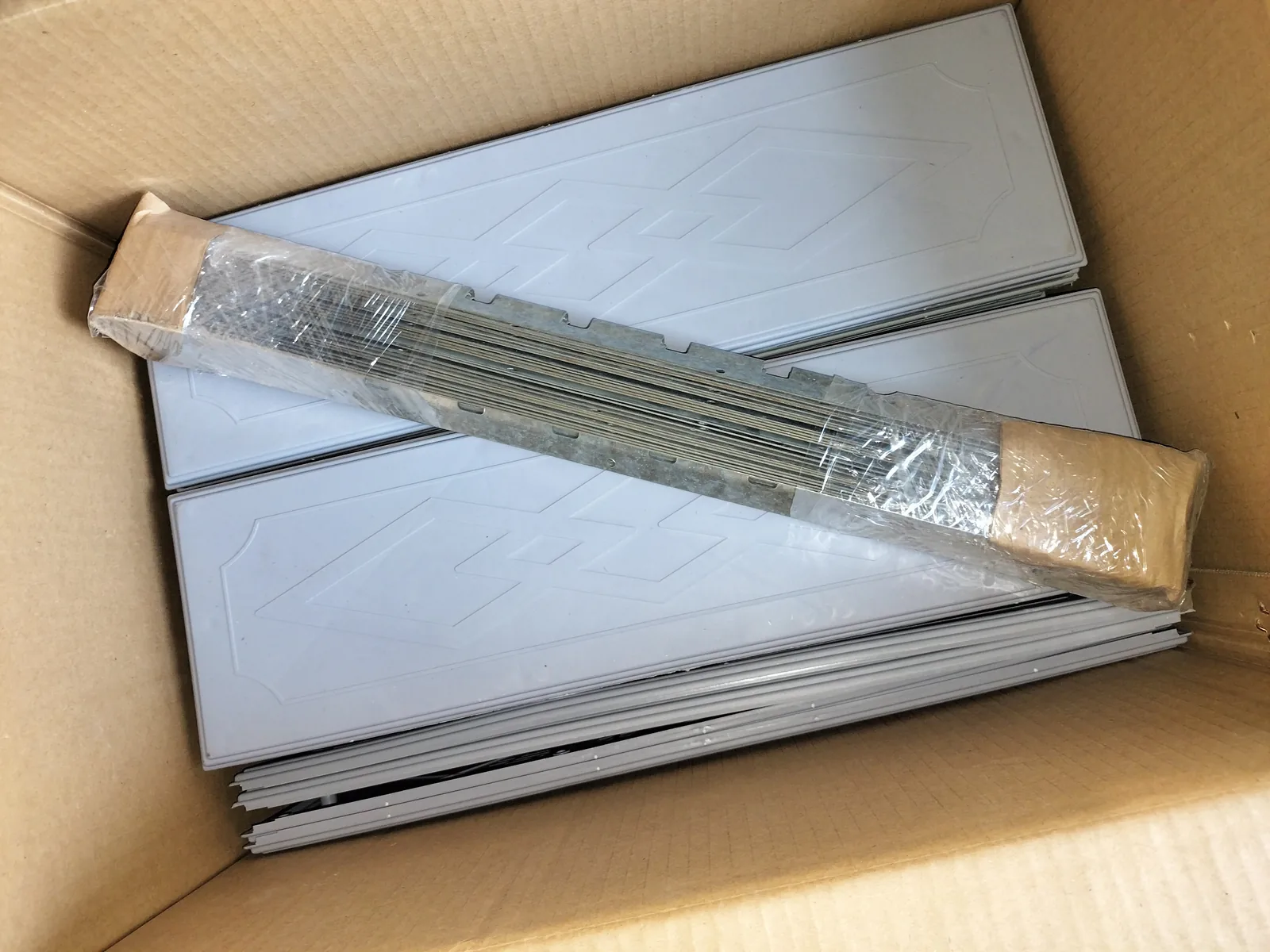
Identify replaceable items
Ask whether the proposed configuration has a defined replacement route for panels, paired edges, top attachments and rail-related parts.
Keep the matching data
A spare request should include side, finished dimensions, attachment method, edge relationship and drawing revision. “Magnetic PVC curtain” is too broad to identify compatibility.
Record the reason for replacement
Classify impact damage, normal wear, poor fit, changed traffic or cleaning exposure. The cause informs the next order and prevents recurring waste.
08 · Reuse before disposal
Check Whether Removal, Resizing or Reuse is Technically Appropriate
Reuse can be worthwhile only when the remaining material, edge condition and intended next use are suitable. It should be a controlled decision, not a way to avoid recording an unusable part.
Assess condition first
Review clarity, tears, edge condition, contamination, attachment points and the new opening requirements before moving components to another project.
Preserve configuration data
Keep the original project and component identifiers with any retained stock so it is not mistakenly mixed into a different system.
Do not force a mismatch
A used panel that does not fit the new opening or traffic task can create a larger operational problem. Suitability still needs project review.
09 · End-of-life route
Confirm Local PVC Collection before Calling the Curtain Recyclable
Recycling access is local and process-specific. A buyer should verify who accepts the relevant material, in what condition, from which location and with which preparation requirements before making or repeating a recyclability claim.
Ask the receiving facility
Provide photographs, material documentation, quantities and contamination history. Confirm that the proposed collector accepts the actual post-use material rather than a general plastic category.
Clarify preparation
Ask whether rails, magnets, fasteners, labels, dirt or residues must be removed and how the material should be bundled or stored.
Keep a route record
Record the collector, acceptance conditions, location and date. If no route is confirmed, say so plainly instead of implying universal recyclability.
10 · Separate components
Separate PVC, Magnetic Edges and Hardware Where the Receiving Route Requires It
The most practical end-of-life instruction is the one accepted by the local route. Separation can be helpful, but only if it follows a safe, documented process and the receiver's requirements.
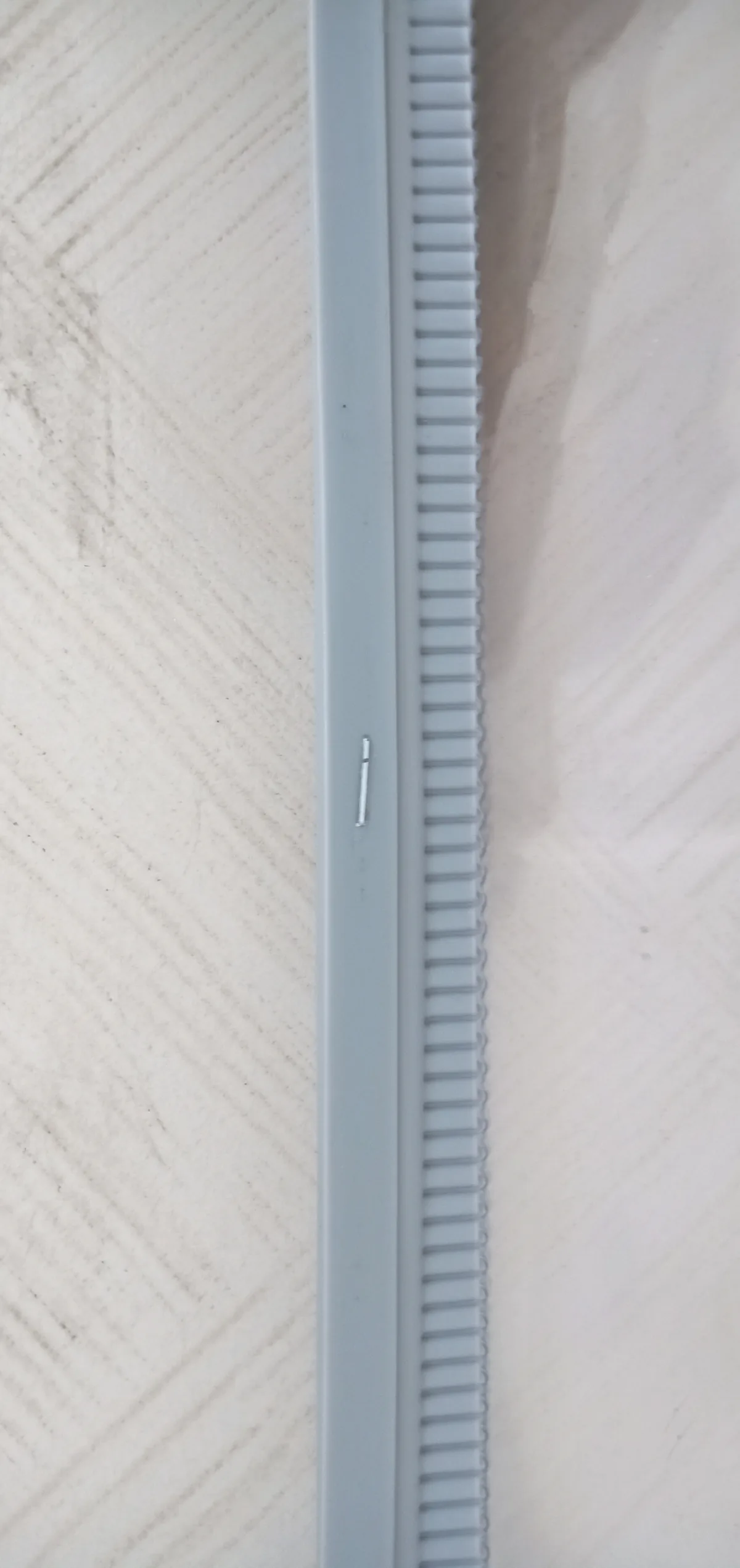
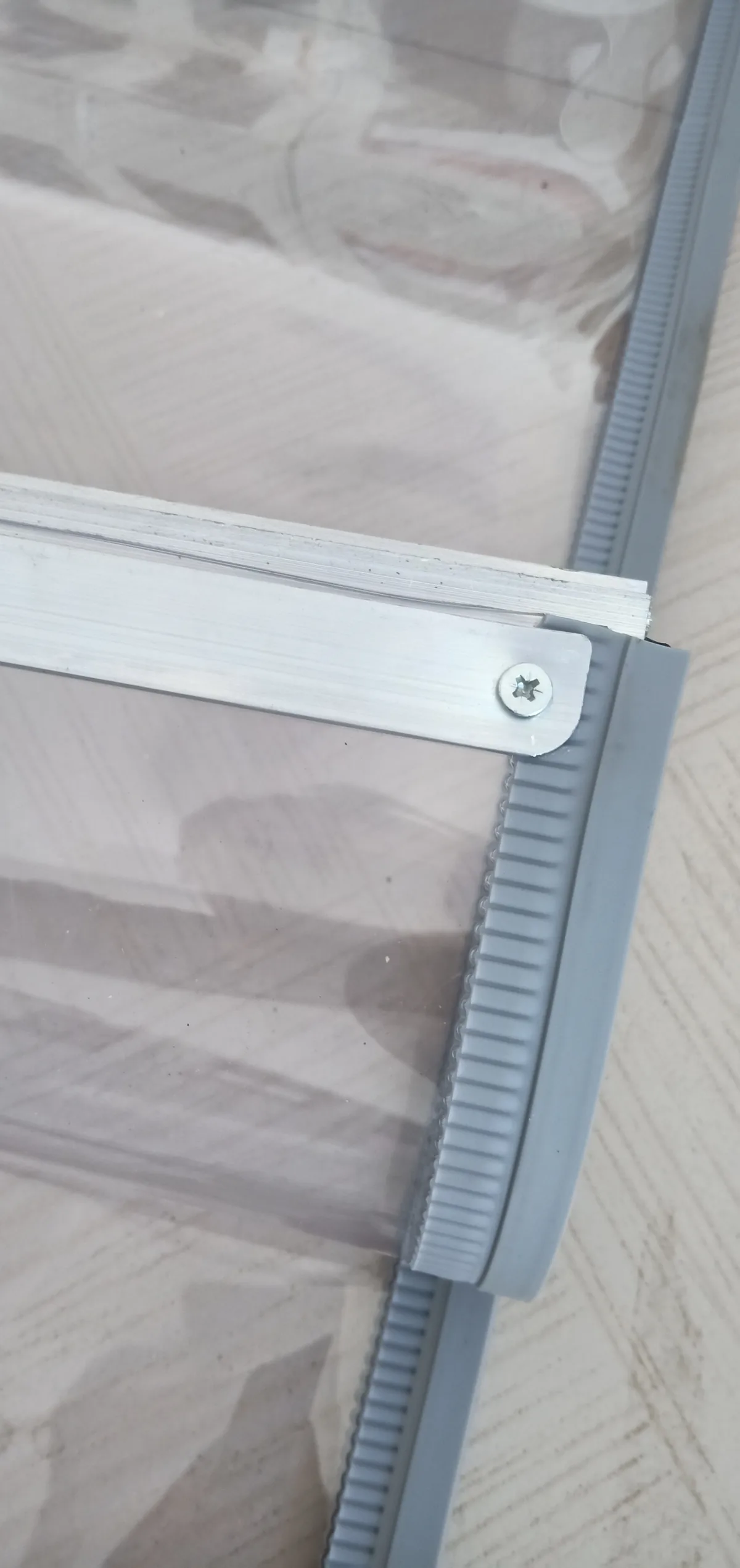
Use the project bill of materials
The bill of materials gives the receiving team a better starting point than a visual guess about what is embedded in each edge or attachment.
Assign a responsible party
State who removes, stores, labels and transfers components. Unassigned separation work is often missed at the end of a project.
Follow site safety controls
Removal and handling must follow the site's own safety rules and equipment controls. This guide does not replace a site procedure.
11 · Evidence package
Request Documentation that Applies to the Exact Order
A buyer can only evaluate a claim when the document identifies the material or configuration being ordered. Generic marketing language and unrelated certificates do not answer a project-specific question.
Material and configuration statement
Ask for the description, order reference, component scope and any limitations. Where a claim needs laboratory, regulatory or other evidence, request the applicable document and its scope.
Claim-specific support
Recycled content, chemical restrictions, temperature suitability or environmental comparisons require their own evidence. Do not infer one claim from a different document.
Destination review
Requirements can vary by destination and application. Assign who checks the buyer's intended use, local requirements and the evidence that is actually needed.
12 · Procurement footprint
Consider Packaging, Transport and Quantity as Part of the Decision
Material selection is only part of a project. Over-ordering, damage in transit, unclear carton identification and mismatched replacement stock can increase waste even when the curtain itself is serviceable.
Measure opening2
Approve configuration3
Protect and label packs4
Reconcile and retain records
Order to the approved geometry
Use controlled drawings and quantities to avoid speculative oversupply. Retain only justified spares with their identifiers.
Protect the edges in transit
Ask how panels and edge profiles are separated and labelled so that damage is visible during receiving rather than discovered after parts are mixed.
Plan replenishment
Record the configuration needed for future service. A precise replacement avoids unnecessary substitution and repeat measurement.
13 · Compare complete options
Compare Alternatives by the Same Doorway Task and Evidence Boundary
A curtain, a hard door, an air-management measure or another barrier has different trade-offs. A fair comparison defines the opening task, operating constraints, service plan and evidence needed for each option.
| Option under review | Questions to compare | Evidence boundary |
|---|---|---|
| Magnetic PVC doorway | Closure behaviour, panel service, replacement and local end-of-life route | Confirm the exact configuration and operating case |
| Conventional strip arrangement | Overlap, return behaviour, traffic interaction and replacement method | Do not assume the same closure outcome |
| Hard door or another barrier | Access cycle, installation changes, maintenance, safety and site constraints | Compare the complete system, not purchase price alone |
14 · Supplier questions
Put Environmental Claims into the RFQ as Evidence Requests
A strong RFQ does not ask a supplier to say “green.” It asks them to identify the supplied components, the claim scope, the supporting documents and the items the buyer must confirm locally.
Ask about the order itself
Request a component schedule, panel/edge identifiers, mounting interface, materials description, declared deviations and replacement-part method.
Ask about each claim
For every environmental, recycled-content or operational statement, request the source, applicable product scope, test or method where relevant, and any limitation.
Ask about end of life
Request practical separation information, but independently verify local collection and treatment options at the destination before making a public or internal recyclability claim.
Buyer FAQ
Questions Buyers Ask about Magnetic PVC Curtain Sustainability
Can a magnetic PVC curtain be called eco-friendly?
Not as a blanket claim. Define the opening, configuration, service life, operating conditions and local end-of-life route, then support each specific benefit with evidence.
Does magnetic closure guarantee energy savings?
No. It may reduce open-gap time in a suitable maintained installation, but the outcome depends on fit, traffic, temperatures, equipment, airflow and operating practice.
Can PVC curtain material always be recycled?
No universal route should be assumed. Local acceptance can depend on condition, contamination, composition, magnets, rails and the collector's process.
What should a buyer request before repeating a recycled-content claim?
Ask for evidence that identifies the exact material, percentage or basis, product scope and any qualification. Do not rely on an unconnected marketing statement.
Controlled next step
Turn a Green Claim into a Project Record
Start with the opening and operating task. Then document the exact assembly, required claim evidence, service route, components for replacement, locally confirmed end-of-life option and the limits that remain unresolved. This makes the sustainability discussion useful to procurement rather than decorative marketing.