
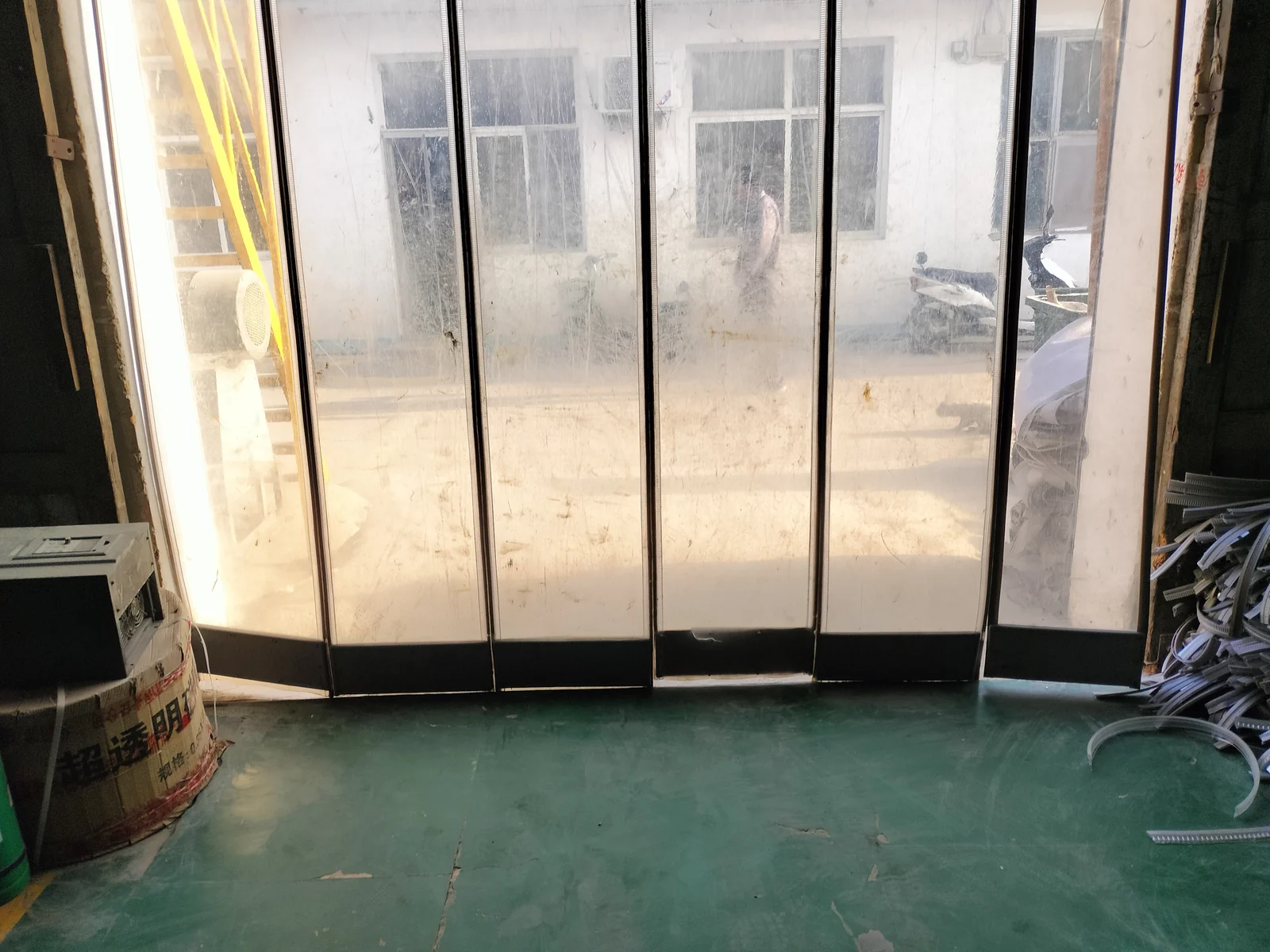
Technical insight · B2B procurement
Why Magnet Quality Matters in Magnetic PVC Door Strips
A magnetic edge is not a decorative extra. It governs whether paired PVC strips return to a predictable closure after a person passes through, and whether the buyer can repeat that result across samples, production batches and replacement parts.
This guide turns “strong magnet” into a specification and inspection plan. It covers the full mating system: magnet, edge profile, flexible PVC, mounting geometry, temperature, traffic and the records needed for a bulk order.
01 · Define the decision
Magnet Quality Is a Closure-System Decision, Not a Catalog Adjective
A magnetic PVC curtain works only when two compatible edges meet in the installed position. The useful buying question is not whether the magnet is strong, but whether this matched finished strip pair closes consistently at the intended opening.
Define the closure task
State what must pass through the opening, how often it passes and what condition the doorway must recover to afterward. A pedestrian opening, a cart route and a forklift lane place very different demands on the same magnetic edge.
Define the mating pair
Record the left and right edge profiles, their orientation and the finished strip dimensions. A magnet cannot be evaluated as an isolated roll if the two edges, panel stiffness or hanging geometry do not match.
Define the unacceptable result
Agree what counts as a failure: a visible gap, delayed return, edge twist, loss of engagement, interference with traffic or unacceptable opening force. This gives the sample review a clear commercial purpose.
02 · Follow the force path
Map the Magnetic Closure Path before Comparing Samples
At the doorway, magnetic attraction passes through the finished edge geometry, any covering layer, a possible air gap and the flexible panels themselves. Each interface can affect observed closure more than a brochure number suggests.
Contact area matters
Ask where the two edges are intended to meet and whether that contact remains continuous over the useful length. Local contact at one point does not prove that the full panel closes without a gap.
Gap control matters
Curled edges, uneven cutting, trapped debris or a distorted panel can introduce separation. Specify how the sample must be hung and conditioned before a closure observation is recorded.
Panel load matters
Strip width, thickness, length and any lower weighting change the load on the edge. Review the magnet in the intended finished panel, rather than attaching a small coupon to a different construction.
03 · Make measurements comparable
Use a Meaningful Strength Test for Magnetic PVC Door Strips
A magnetic reading can help compare samples only when the test method is stated. Pull direction, contact length, separation speed, spacing, temperature and the test fixture all influence the result.
Choose the evidence type
A documented separation-force observation on a defined length can be useful for finished mating edges. Field observations of return after passage are a separate complementary test; neither should silently stand in for the other.
State the test condition
Identify the sample code, edge orientation, contact length, fixture, direction of pull, approximate temperature and any spacing material. If the method changes, record the change rather than comparing unlike results.
Keep the result in context
Do not turn one laboratory-style value into a universal performance promise. The result supports a defined approved sample. Installation, airflow, traffic and maintenance still need their own project checks.
04 · Protect the working interface
Check Magnet Profile and Edge Construction Together
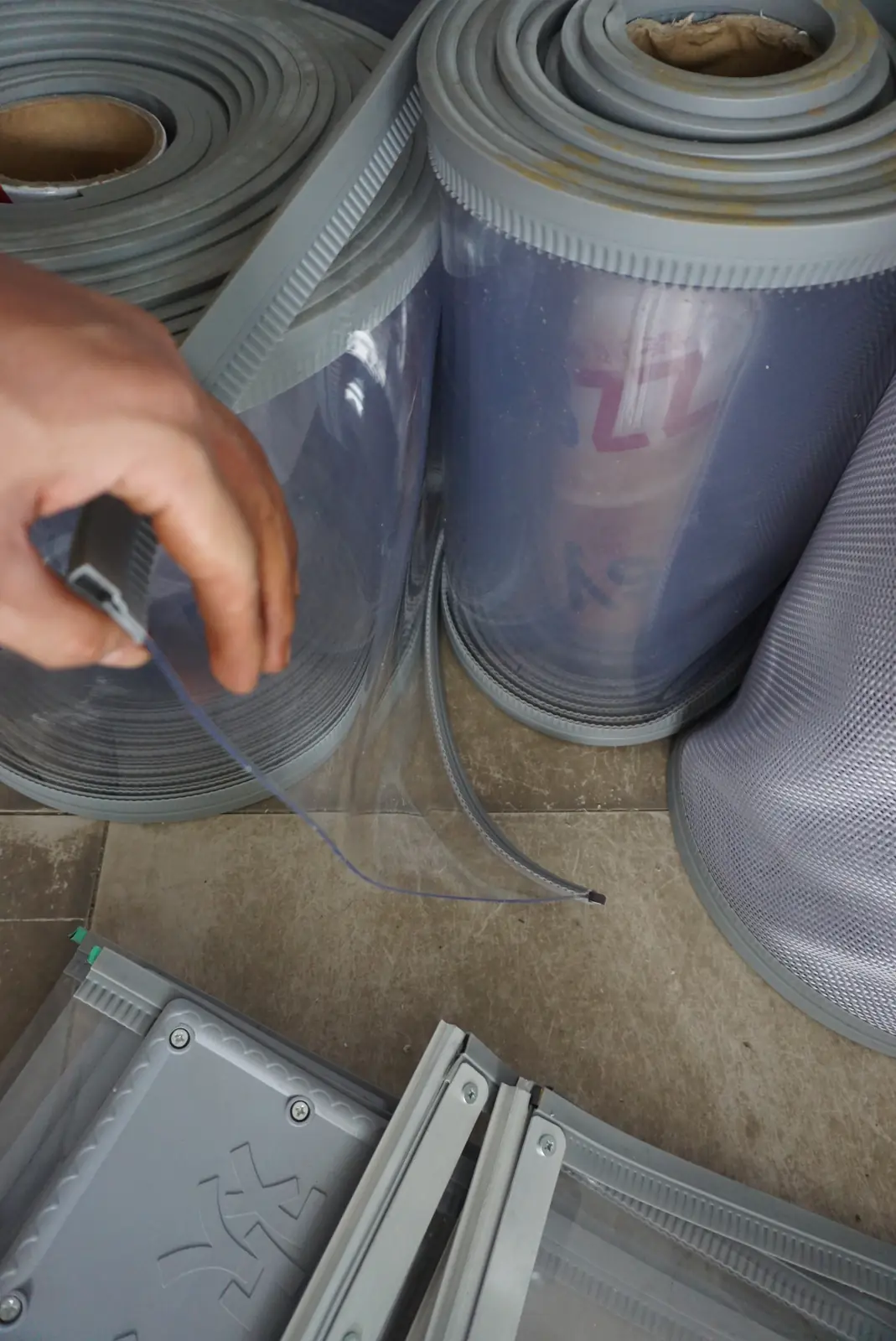
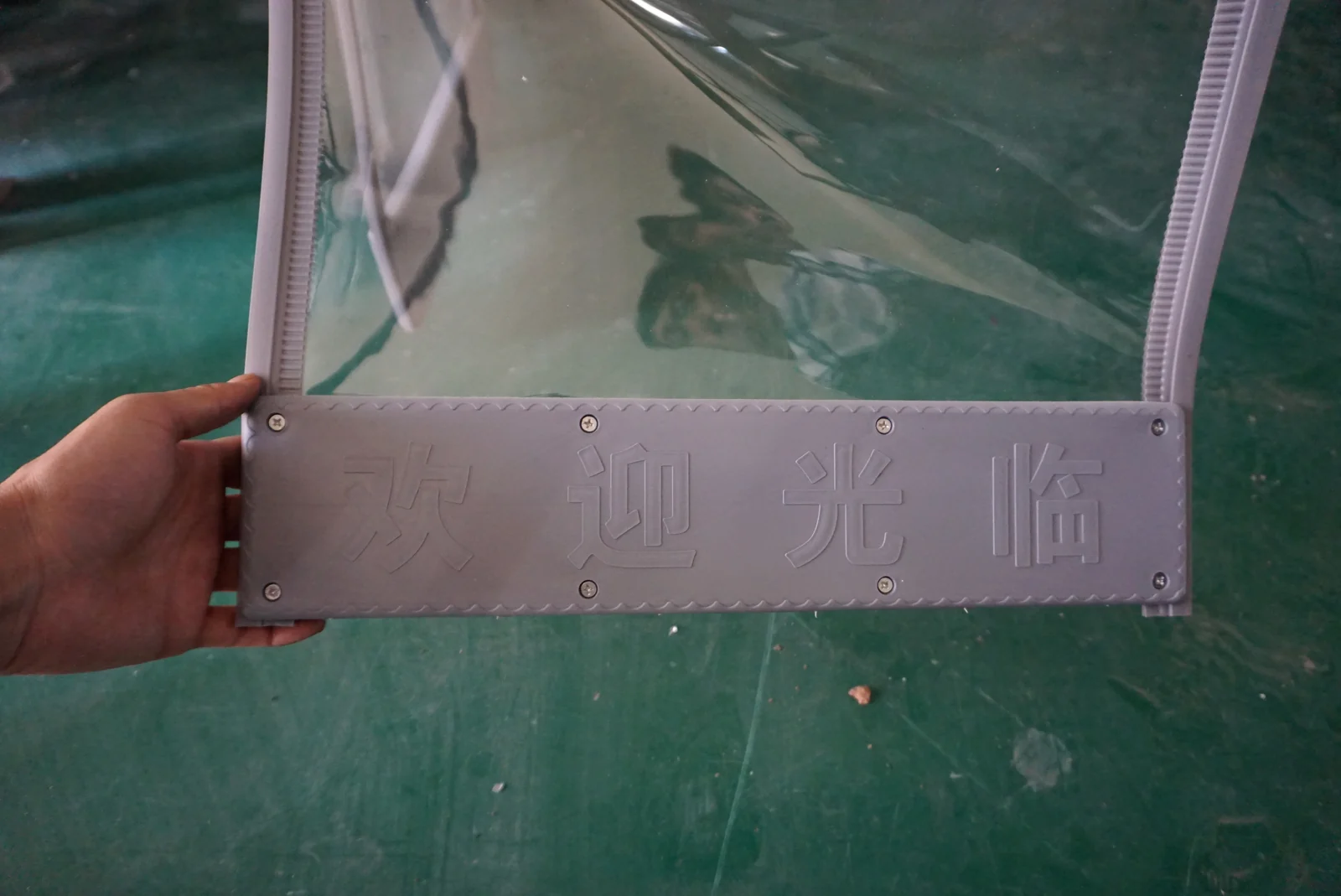
The magnetic material has to be retained, protected and presented at the intended contact position. An apparently firm sample can become unreliable if the edge cover, attachment method or profile geometry changes during converting, handling or use.
Look for continuous retention
Check the entire usable edge, not only the end. Ask how the magnetic element is retained and what visual conditions indicate a damaged, displaced or incomplete edge.
Review edge stiffness
An edge that is too stiff for the panel can resist a clean return; an edge that is too soft can wander away from its mating line. Review finished behaviour instead of judging stiffness by touch alone.
Protect the exposed surface
Where the edge will encounter carts, clothing, cleaning tools or repeated manual contact, ask how abrasion and impact are expected to affect the closure interface and replacement method.
05 · Pair the correct sides
Verify Polarity and Mating Orientation across the Full Strip Set
Magnetic edges are a matched system. A sample can appear correct at one location yet fail when a panel is reversed, a replacement strip is mixed into another set or the intended mating sides are not identified.
Mark the intended pair
Use an order drawing, discreet component identifiers or a documented packing sequence so installers can distinguish the two mating sides. The label must support the installation plan without becoming a substitute for a fit check.
Test along the working length
Bring the pair together at several locations from top to bottom. This helps reveal a twist, profile variation or incorrectly matched component that a single end check could miss.
Protect replacement compatibility
For spares, retain the original configuration reference, side designation, finished length and edge relationship. A replacement selected only by a broad product name may not mate with the installed set.
06 · Material fit
Specify PVC Flexibility and Magnet Behaviour as One Operating System
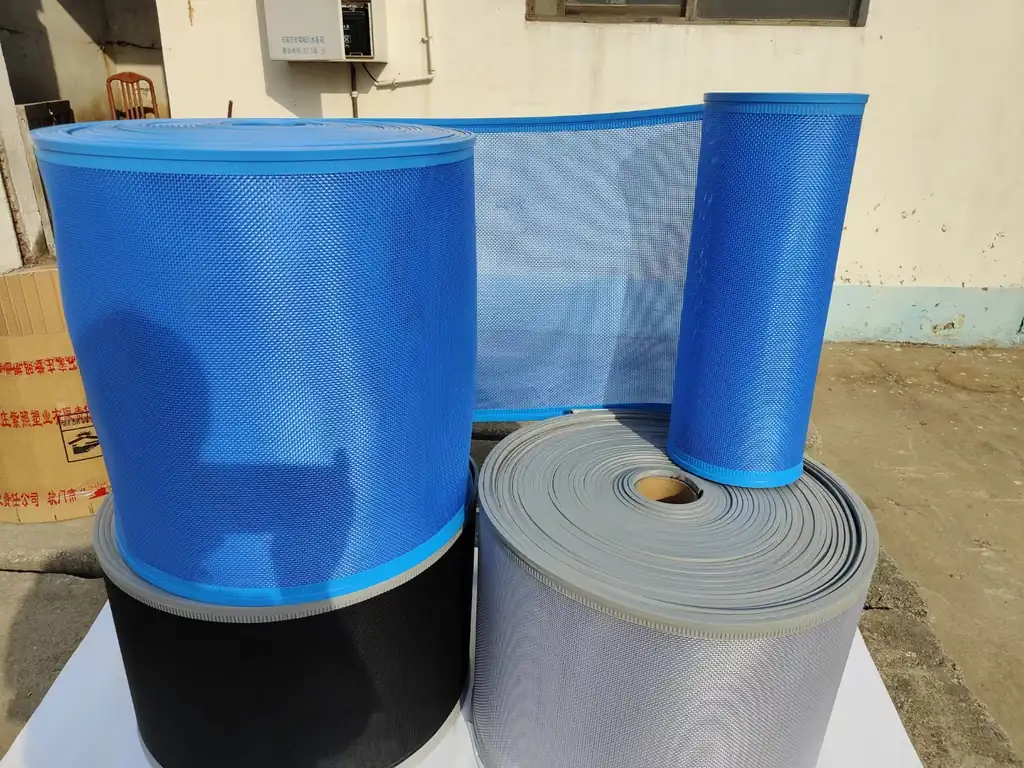
The same magnetic edge behaves differently when the PVC panel becomes less flexible, when the opening is exposed to low temperature or when an edge no longer hangs in its intended line. Material selection must reflect the real environment, not the room-temperature sample alone.
State the temperature context
Give the expected operating range, short-duration extremes, cleaning exposure and whether the opening separates refrigerated, conditioned or ambient zones. Request an exact-order material statement rather than assuming a grade from the product name.
Observe flexibility after conditioning
Where temperature is material to the project, agree how the sample will be conditioned and examined. Look for return behaviour, curling, cracking, hardening or a change in the edge-to-edge meeting line.
Separate compatible from proven
A suitable-looking material is not proof of site performance. Treat the sample outcome as an approval input and keep project-specific tests or documents where the buyer’s process requires them.
07 · Observe actual movement
Test Closure after Representative Doorway Traffic, Not Only at Rest
A strip pair may meet neatly when untouched and perform differently after a person, trolley or load passes through. Use a safe representative traffic case so the buyer can see the time and path by which the opening returns.
Choose a safe traffic case
Use equipment and routes that the site has assessed as safe. Do not improvise a stress test that creates a collision risk or treat an unrepresentative light touch as proof for a demanding route.
Watch the recovery path
Note whether the edges find each other, whether panels twist, and whether an obstruction or rail issue prevents closure. A written observation is more useful than a general impression that the curtain looks fine.
Repeat after adjustment
If a sample needs rail, height or overlap adjustment, document the setting that produced the accepted result. The bulk installation should be checked against that reference, not an unrecorded trial.
08 · Site forces
Account for Airflow, Pressure and Doorway Geometry
Magnets can help a matched pair meet, but they do not make a flexible doorway airtight or remove the effect of local airflow. Doorway geometry, adjacent doors, fans and pressure differences should be identified before performance expectations are fixed.
Survey the opening
Record width, height, header condition, threshold, side clearances and nearby obstructions. These dimensions affect panel length, overlap, rail placement and the routes through which air may move.
Identify airflow sources
Ask about fans, extraction, conveyors, dock doors, refrigerated rooms and exterior exposure. Their effect can vary by operating period, so an approval record should state the observed scenario rather than imply all conditions are identical.
Set a realistic boundary
Magnetic PVC strips are flexible access barriers. If the project requires measured airtightness, a fire rating, a hygiene classification or another regulated result, define that separately and obtain applicable evidence.
09 · Sample before scale
Use a Finished Sample to Approve the Magnetic PVC Curtain Configuration
A purchase sample should look like the intended system, not a loose strip of unrelated material. The buyer needs enough of the finished pair to assess panel geometry, edge integration, closure action and correspondence between the written specification and physical article.
Request the right sample scope
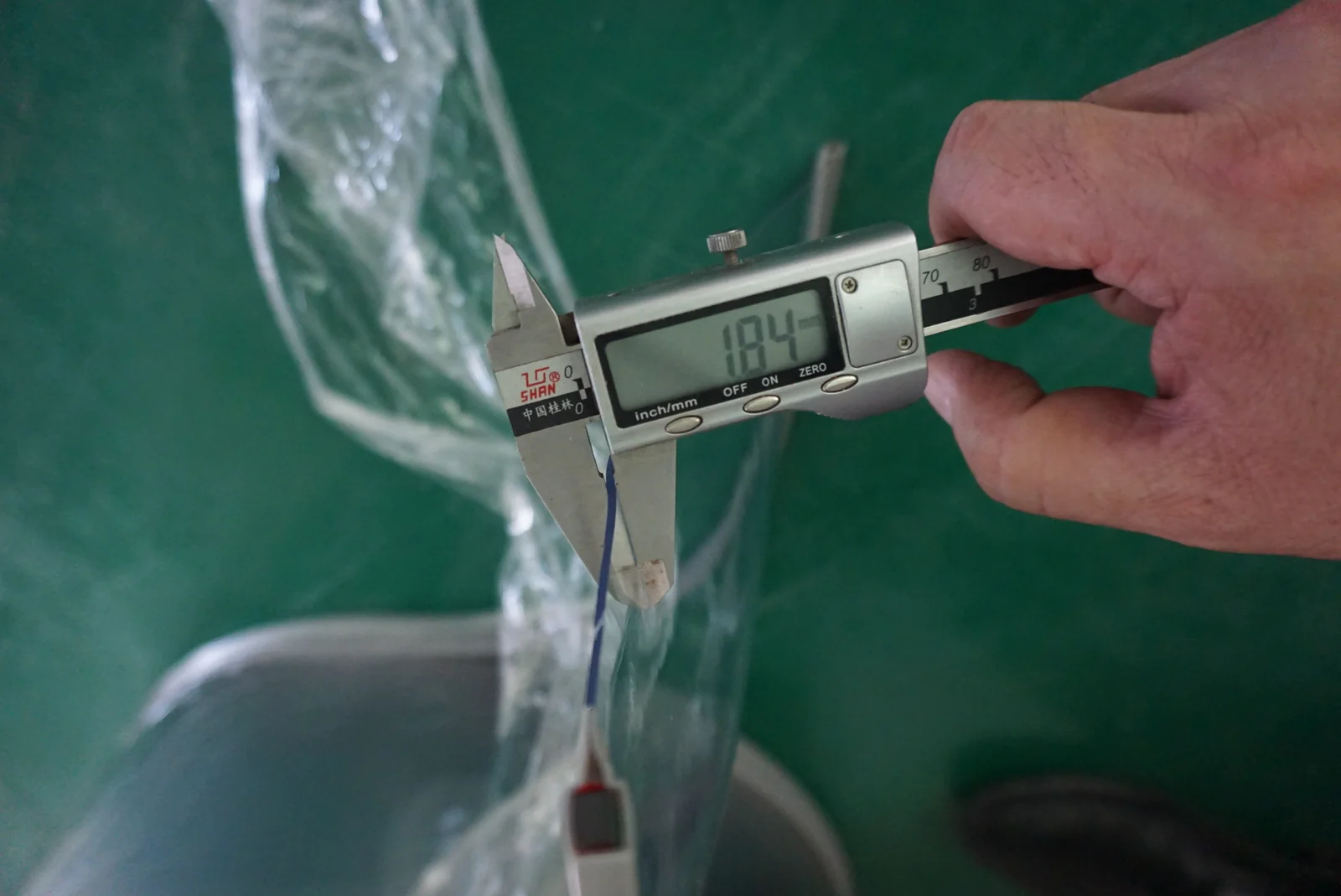
Agree the finished width, thickness, edge design, hanging method and length needed for meaningful review. If a reduced sample is used, clearly note which installed behaviours it cannot demonstrate.
Approve the visible condition
Check clarity, straightness, finished edges, surface defects, attachment points and pairing. Record observations with the sample identifier so a later production discussion refers to a known baseline.
Link sample to order
Place the approved sample code, drawing revision and configuration in the purchase record. Supplier and buyer should be able to identify whether a proposed change is inside or outside the approved scope.
10 · Receiving control
Set Incoming Quality Checks for Magnetic Edge Consistency
Receiving inspection does not need to duplicate every production check. It should confirm that delivered components correspond to the approved sample and that obvious variation, transit damage or pairing errors are identified before installation mixes items together.
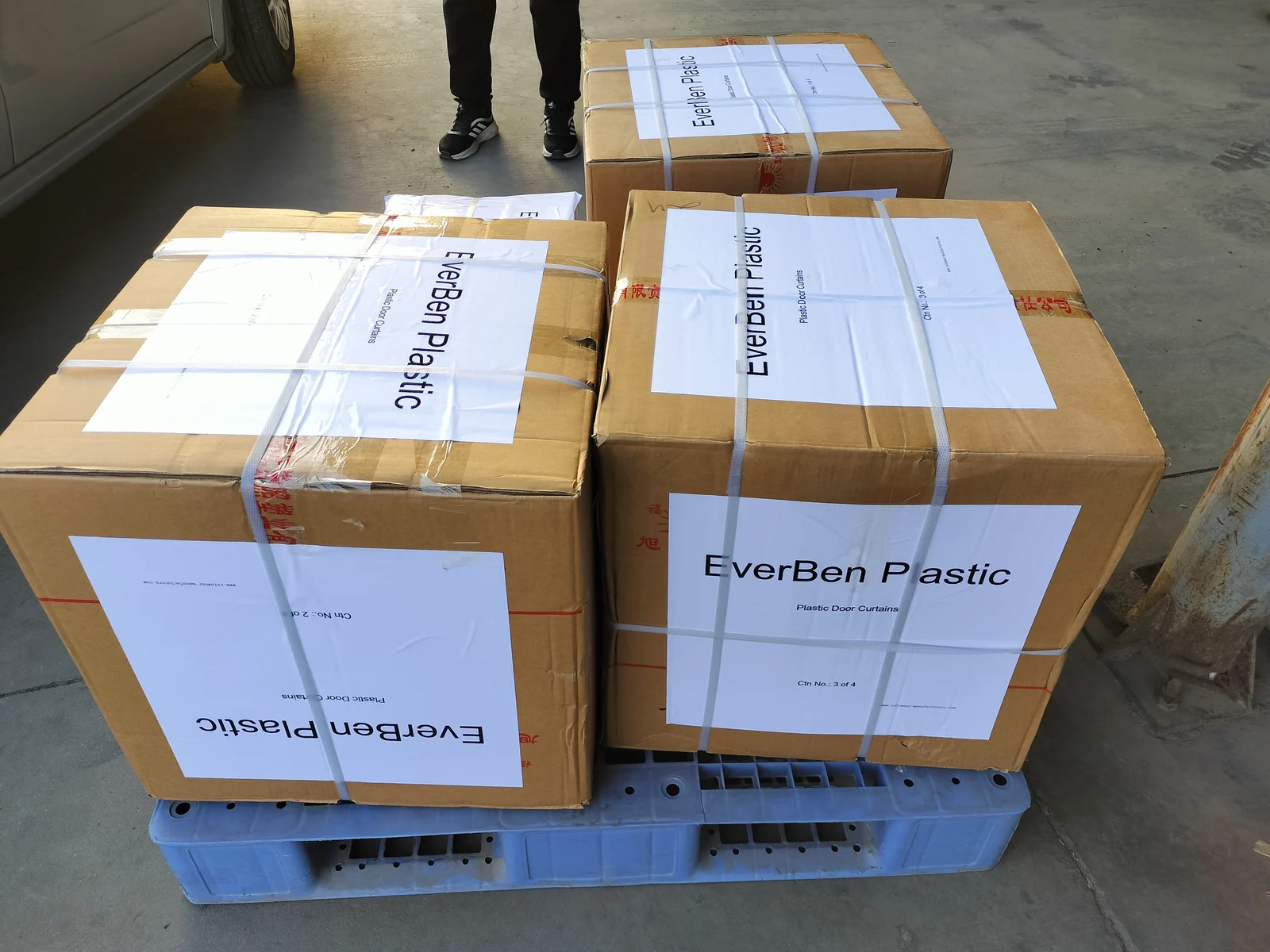
Check identity and quantity
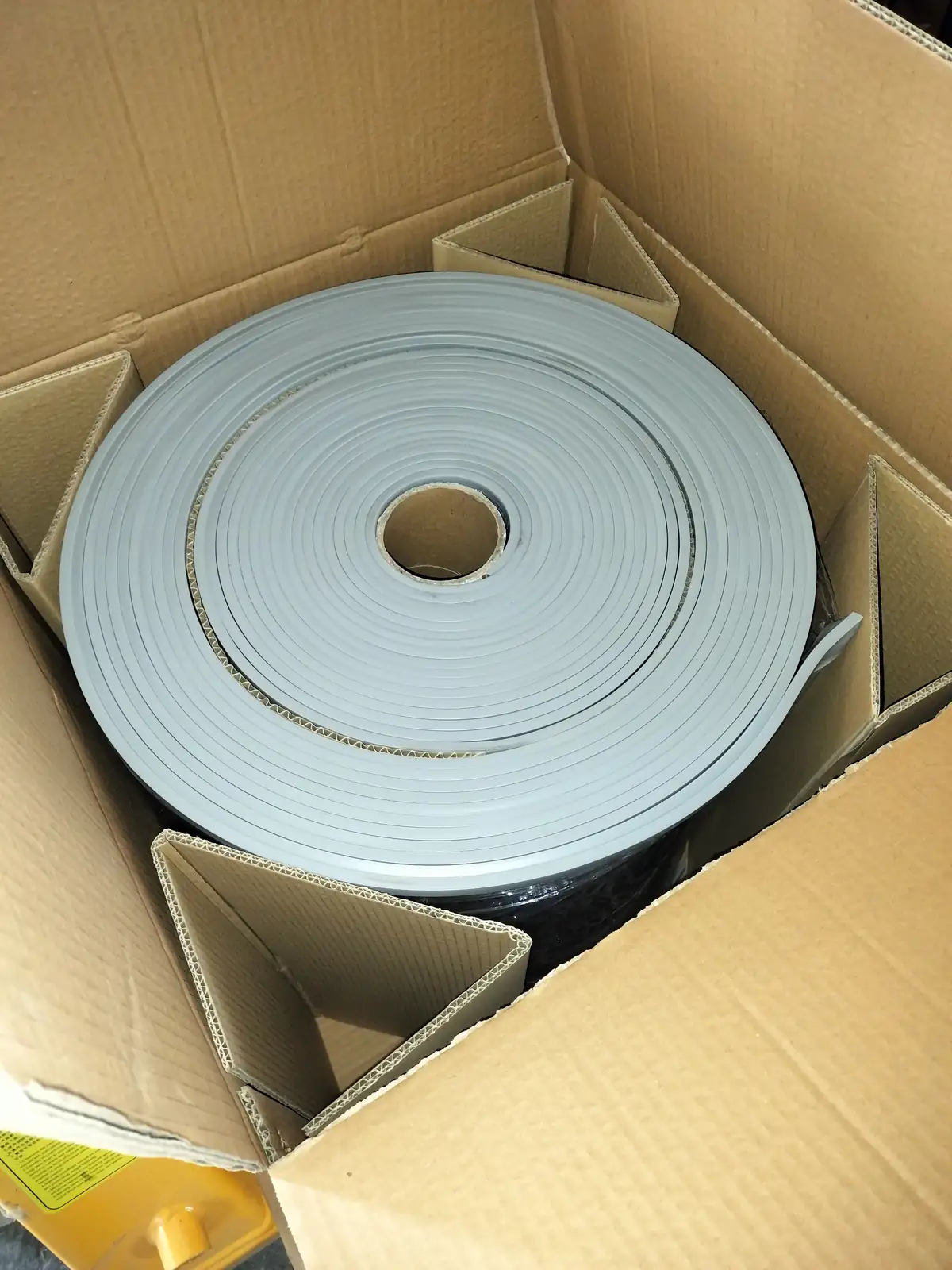
Compare labels, component codes, dimensions and quantities with the approved order record. Segregate an unclear carton before it is mixed with accepted components or installed at another opening.
Check a defined sample of pairs
Use the agreed sampling method to bring selected finished edges together along their working length. If a result differs from the approved reference, preserve the sample and isolate the relevant lot for review.
Inspect before cutting or trimming
Once components are cut, mixed or installed, it becomes harder to trace a variation to a lot. Confirm the project plan for inspection, release and handling before site modification begins.
Document the release decision
Record the actual observation, responsible person and disposition instead of only a pass mark. The record should connect receiving to the approved sample and order reference.
Acceptance evidence
Keep the carton or lot identity, the paired-edge observation and any retained sample reference with the inspection record.
Record the exception
Describe the deviation, affected quantity and containment action before a corrective decision is made.
11 · Repeat the approved result
Control Production Batches and Configuration Traceability
Consistency in a bulk magnetic-strip order comes from controlled configuration and traceability. The order file should make it possible to compare a batch with the approved sample, identify a deviation and request compatible spares without relying on memory or a broad product description.
Freeze the approved specification
Keep the drawing, panel dimensions, edge profile, material statement, mounting interface, sample identifier and any agreed test method together. A change should be evaluated against this baseline before production proceeds.
Ask for lot identification
Agree how the supplier identifies production or packing lots where that control is proportionate to the project. The aim is practical investigation and replacement matching, not a document that cannot be used at receiving.
Handle changes openly
If material, edge design, hardware, process or supplier source is proposed to change, request a written notice and decide whether the changed configuration needs a new sample or a project review.
12 · Preserve serviceability
Maintain Magnetic Edges and Replace Matched Components Carefully
Magnetic closure can deteriorate because of damage, contamination, misalignment, a displaced rail or an incompatible spare. Maintenance should begin with diagnosis of the whole system rather than assuming that every poor closure requires a new magnet.
Inspect the return line
Look for curled panels, torn edges, debris, rail movement, loose fasteners and changes in the traffic route. Correcting alignment may restore the intended meeting line without changing a component.
Use matched replacement information
For a spare request, provide the side designation, finished dimensions, edge profile, installation method and order reference. A visually similar strip may not reproduce the accepted closure behaviour.
Keep cleaning project-specific
Confirm cleaning agents and methods for the exact supplied materials. Do not infer compatibility from a generic plastic description; cleaning exposure can be a material and edge-construction issue.
13 · Protect the pair in transit
Specify Packaging and Logistics Controls for Magnetic PVC Strip Sets
A well-made pair can arrive in poor condition if its edges are bent, rubbed, mixed or separated from its identifier. Packaging should protect the finished product and preserve the pairing information needed for site installation and future replenishment.
Protect finished edges
Ask how finished edges are supported, separated and protected against crushing or abrasion. The packaging plan should reflect the length, panel format, transport route and likelihood of multiple handling stages.
Keep sets identifiable
Carton labels should support the approved installation sequence: project reference, component identifier, side or pair relationship, quantity and handling instructions where relevant. Avoid labels that promise performance without evidence.
Plan the receiving handover
Agree who checks pack condition, photographs visible transit damage, identifies mixed components and releases materials to installers. This preserves evidence before site work makes a source issue harder to investigate.
14 · Procurement brief
Put Magnet Quality Requirements into the RFQ and Approval Record
The most reliable way to buy magnetic PVC door strips is to describe the closure task and evidence required, then approve a finished configuration. Broad phrases such as “high magnetic force” invite inconsistent interpretation because they leave the test setup, pairing and installed conditions undefined.
| Entity | Attribute | Value or option to confirm | Buyer impact | Evidence or approval |
|---|---|---|---|---|
| Finished strip pair | Edge profile and mating orientation | To be confirmed by project drawing | Closure alignment and replacement compatibility | Approved finished sample and labelled pair |
| Magnetic closure | Test method and observed result | To be agreed for the finished sample | Comparable sample decision rather than a generic claim | Method, condition and record retained with sample |
| PVC panel | Width, thickness and operating context | To be confirmed by project | Return behaviour, access and material suitability | Drawing, material statement and project review |
| Installation set | Rail, header and panel geometry | Measured opening and mounting condition | Alignment, safe access and service work | Opening survey and installation check |
Describe the operating task
Give opening dimensions, traffic type, temperature context, airflow considerations, cleaning conditions, destination and the business consequence of a persistent gap. This prevents an oversimplified magnet request.
Request configuration evidence
Ask for the finished sample reference, drawing, component identification, any agreed test method and result, packing approach and spare-part method. Keep claim-specific documents separate from unconnected marketing material.
Set the approval gate
Identify who approves the sample, what deviations require notice and what receiving check releases the lot. The order becomes easier to repeat when the decision criteria are written before bulk production.
Buyer FAQ
Questions Buyers Ask about Magnet Quality in PVC Door Strips
What is the most useful way to compare magnet quality in PVC door strips?
Compare matched sample pairs under a documented test setup that states the edge profile, contact length, gap condition, temperature and separation method. A number without those conditions is not a complete buying basis.
Does a higher magnetic reading automatically mean a better PVC curtain?
No. The installed result also depends on polarity, profile geometry, edge integration, PVC flexibility, alignment, traffic, airflow and the condition of the rail and panels.
Should magnets be tested separately from the PVC curtain?
Both views are useful. A component check can identify a variation, but the buyer should also test the finished mating edges and complete hanging assembly because installation can change closure behaviour.
What documents should be requested for a bulk magnetic PVC curtain order?
Request the approved drawing, sample reference, edge and panel identifiers, test method and result where agreed, batch or lot traceability, inspection criteria, packing plan and replacement-part identification.
Controlled next step
Make Magnetic Closure a Repeatable Purchase Requirement
Start with the opening and traffic task, then approve a finished matched pair. Record the edge construction, sample result, installed condition, batch reference and receiving check. That gives procurement a practical basis for ordering magnetic PVC door strips that can be installed, inspected and replenished with fewer assumptions.