
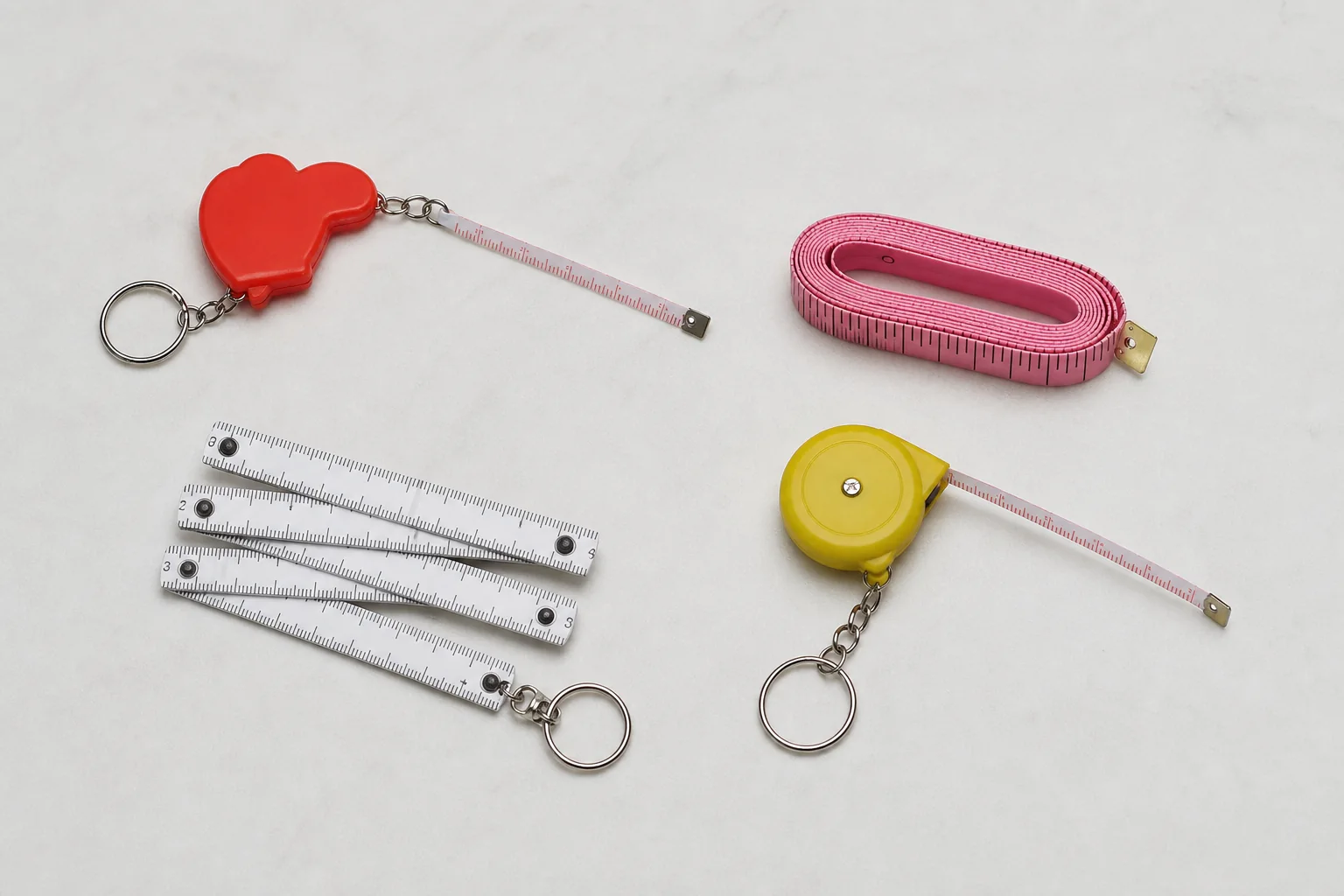
BUYING GUIDE / TAPE MEASURE RANGE, BLADE AND HOUSING
How to Specify Promotional Tape Measures by Range, Blade and Housing
Published by EverBen
A printed case and a nominal range do not define measurement system, blade construction, scale layout, hook behavior, return route, housing ergonomics or field use. Buyers need a controlled measuring task, exact tool architecture and evidence from the complete production sample.
This guide separates retractable pocket, open-reel, closed-reel and flexible tape routes; range; scale; blade width; housing; lock; return; end connection; decoration; inspection and packing. It helps sourcing teams compare offers without turning a gift name into an accuracy or suitability claim.
01 / use boundary
Define the measuring task and user before choosing tool architecture
A desktop giveaway, tradeshow pocket tool, workshop tape and long outdoor reel face different distances, surfaces, reading positions, handling and storage. Start with the represented use rather than the case color.
- 01Define user and object
- 02Map distance and references
- 03Choose trial conditions
- 04Freeze represented use
01
Name the measuring event
Record what is measured, typical distance, surface, access, start and end references, reading position and indoor or outdoor conditions. Keep task facts separate from unsupported professional-use wording.
02
Describe the user interaction
Map carry, grip, extension, anchoring, reading, lock use, rewind, storage and handoff. Identify gloves, one-person or two-person use and other relevant constraints for the proposed trial.
03
Set the claim boundary
State whether the item is a promotional giveaway, general measuring aid or buyer-defined tool. Do not publish accuracy class, certification, durability or trade suitability without exact evidence.
02 / architecture
Separate pocket, open-reel, closed-reel and flexible-tape routes
These constructions differ in storage, extension, rewind, end connection, reading and decoration area. Compare complete tools rather than treating every measuring tape as one product family.
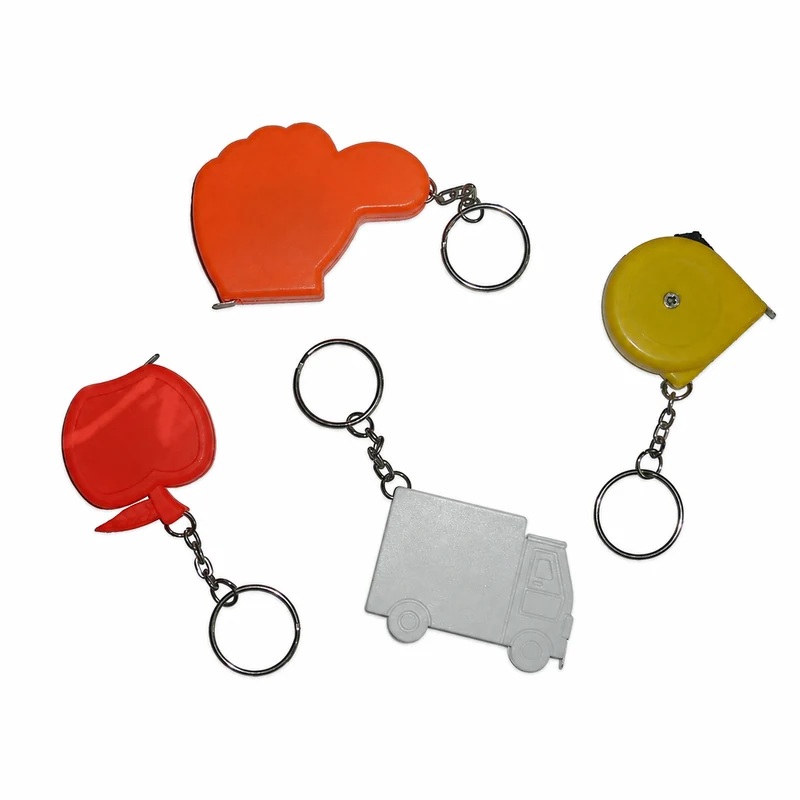
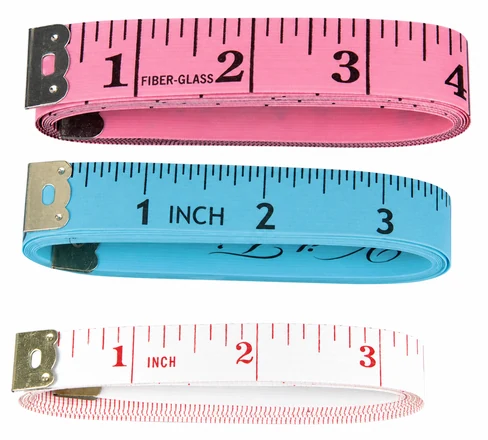
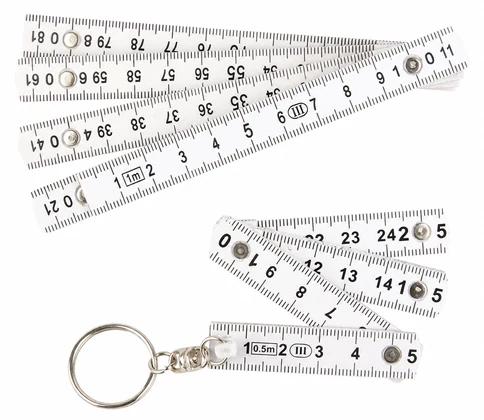
Work backward from the delivered measured, decorated and packed tool
Resolve tape-measure shorthand to user task, architecture, range, unit, scale, blade or tape, housing or reel, lock, return, hook, accessories, artwork, packed reference and approval owner.
Keep scale artwork, component and complete-tool approval distinct
A graphic cannot prove a physical scale, a loose blade cannot prove lock or return interaction, and a blank case cannot prove decoration, accessory, packing or delivered presentation.
01
Define retractable pocket route
Control blade, spring or return assembly, lock, case, grip, belt clip, lanyard and hook as one SKU. Record the approved assembled sample and closed dimensions.
02
Define surveyor reel route
Control tape or blade, reel frame, hub, handle, crank, gear where applicable, end connection and rewind direction. Review the complete extended and stored tool.
03
Define flexible-tape route
Record tape substrate, edge, scale route, end finish, coil or case and storage pack. Do not transfer claims from a steel blade or surveyor reel to a soft tape.
03 / measurement system
Control declared range, unit, scale layout and zero reference
A number on an offer is incomplete without the unit, graduation, reading direction, start reference and represented inspection route. Freeze the complete scale artwork before production.
- 01Freeze unit system
- 02Approve scale artwork
- 03Define zero reference
- 04Inspect complete tape
01
Record range and unit
State nominal range with unit and tool architecture. Identify whether one or multiple unit systems are needed and keep destination or buyer requirements as explicit fields.
02
Map scale layout
Control graduation, numbering interval, reading direction, blade faces, color contrast and artwork revision. Review the complete physical tape instead of approving a cropped graphic.
03
Define the zero reference
Record hook, ring, loop, case edge or another start feature and how its movement or thickness is treated. Tie inspection to the actual end connection and sample revision.
04 / blade system
Specify blade or tape material, width, finish and edge structure
Width cannot be evaluated alone. Material construction, curvature, coating, scale process, edge and housing all influence handling and readability.
| Measuring element | Evidence that must stay linked | Stop condition |
|---|---|---|
| Range | Declared range, unit and complete architecture share one SKU | Number without unit or route |
| Scale | Graduation, direction, start reference and physical tape are linked | Artwork screenshot only |
| Blade or tape | Substrate, width, finish, edge and end connection share one revision | Width approved in isolation |
| Trial | Sample, extension, sequence, conditions and observations are recorded | Accuracy or life claim without method |
| Continuity | Scale, material, component and process changes trigger review | Silent blade substitution |
01
Identify substrate
Record supplier-declared blade or tape material, construction, supplier code and approved sample. Avoid inferring composition from color, shine or product-family shorthand.
02
Dimension width and thickness
State measurement method, landmarks and tolerance for width and thickness where relevant. Preserve raw observations and distinguish proposed values from verified results.
03
Control surface and edges
Define coating or finish, color, scale process and edge route with a physical reference. Inspect cracking, burrs, delamination or visible change only through an agreed method.
05 / housing and control
Engineer housing, grip, lock, return and rewind around the user sequence
Case shape and color are visible, but internal return, lock position, grip and fasteners determine how the complete tool is handled. Review the assembled sequence.
- 01Freeze housing components
- 02Map hand sequence
- 03Run return or rewind trial
- 04Record complete state
01
Control housing identity
Record shell and overmold materials, supplier codes, colors, dimensions, fasteners, label recess, belt clip and lanyard point. Preserve complete exterior and opened-reference views.
02
Define lock interaction
State lock location, direction, permitted states and expected user sequence. Observe holding, release and accidental movement without converting a trial into a universal safety claim.
03
Plan return or rewind trial
For pocket tapes, define extension and return sequence; for reels, define crank, direction and tape guidance. Record sample identity, repetitions, conditions and complete observations.
06 / interfaces
Control hook, ring, clip, lanyard and crank interfaces
Small components change anchoring, carry and rewind. Their material, dimensions, attachment and movement need the same revision control as the blade and housing.
01
Specify end connection
Record hook, ring, loop or another end part with material wording, geometry, attachment, movement and approved comparator. Review the complete zero-reference relationship.
02
Specify carry accessories
Control belt clip, lanyard, key ring or other attachment with material, dimensions, placement and fastening. Run the buyer-defined carry check on the assembled case.
03
Control reel interfaces
For surveyor routes, define frame handle, crank, knob, hub and tape guide with direction and attachment references. Inspect the complete stored and rewinding tool.
07 / decoration and release
Approve artwork, assembled-tool inspection and pack as one delivered SKU
A branded measuring tool includes case decoration, scale, accessory set, fold or coil, insert, inner pack and carton. Release must represent that complete delivered relationship.
| Controlled object | Tape-measure record | Approval question | Disposition |
|---|---|---|---|
| Task | User, object, distance, references, reading and conditions | Defines represented use | Clear / open |
| Measurement system | Range, unit, graduation, scale direction and zero reference | Defines scale approval | Matched / unmatched |
| Complete tool | Blade or tape, housing or reel, lock, return, hook and accessories | Bounds functional approval | Approved / conditional |
| Decoration | Artwork, process, placement, complete tool and packed comparator | Defines delivered-merchandise approval | Current / gap |
| Repeat-tool lineage | Scale artwork, blade lot, housing parts, return system and decoration-change history | Shows whether the reordered tool still matches its measured comparator | Repeat route / trial reopened |
01
Preflight case artwork
Control file owner, dimensions, placement landmarks, colors, process and permitted simplification. Keep artwork clear of locks, screws, grip transitions and high-wear interfaces unless specifically approved.
02
Inspect the complete tool
Check route, range, scale, blade or tape, housing, lock, return or rewind, end connection, accessories, artwork and count against written references.
03
Retain the packed comparator
Seal an approved tool with coil or closed state, insert, pouch, tray, individual box, assortment and carton allocation. Preserve untouched views for reorders.
08 / commercial continuity
Carry range, blade, housing and scale controls into RFQ and reorder
Comparable quotations require identical scope and visible alternatives. Reorders remain comparable only while every governed material, component, artwork and process relationship stays current.
- 01Send the defined measuring task
- 02Exercise each complete sample
- 03Seal the scale-and-housing build
- 04Retest the changed mechanism
01
Issue one tape-measure matrix
List user task, architecture, range, unit, scale, blade or tape, width, finish, housing, grip, lock, return or rewind, hook, accessories, artwork, evidence, packing, quantity and destination.
02
Price alternatives separately
Separate architecture, range, scale route, blade, housing, grip, accessories, decoration, trial and packing options. Evaluate savings with sample and reapproval consequences visible.
03
Control every change
Require notice before blade or tape, scale, supplier, coating, spring, gear, housing, grip, lock, hook, fastener, artwork process, site or packing changes. Reapprove affected lanes.
Limits of tape-measure shorthand
Terms such as professional, heavy duty, accurate, surveyor or a stated range are sorting labels only. They cannot qualify an EverBen measuring tool or establish accuracy class, life, safety or suitability for a trade. Release must name the measuring task and architecture, range and unit, scale direction and zero point, blade or ribbon build, housing or reel, lock and return system, end interface, complete-tool trial, artwork, pack route, receiving market and responsible approver.
Route-specific FAQ
Checks before tape measure material, construction and print approval
Does nominal range prove usable measurement length?
No. Record the declared range, blade or tape route, start reference, end connection and inspection method for the exact SKU.
Is a wider blade always better?
No universal ranking applies. Width interacts with range, curvature, standout expectation, readability, housing size, return system, mass and user task.
Can metric and imperial scales share one blade?
They can be proposed, but scale arrangement, reading direction, zero reference, print clarity and destination requirements need explicit approval.
Is a surveyor reel interchangeable with a pocket tape?
No. Reel architecture, tape material, handle, crank, field use and rewind behavior differ from a retractable pocket housing.
Does a rubber grip identify the housing material?
No. Record every shell and grip material using supplier codes and approved components rather than appearance alone.
Can artwork cover the complete case?
Decoration area depends on case geometry, lock, fasteners, grip, label recess and process. Approve production-scale work on the exact assembled case.
What should a return trial record?
Identify the sample, extension, orientation, release sequence, repetitions, conditions and observations without inventing a universal life claim.
What changes reopen approval?
Range, blade or tape, scale, width, coating, spring, gear, lock, housing, grip, hook, fastener, artwork process, packing or site changes can reopen affected decisions.
Construction decision
Convert a branded measuring-tool idea into a controlled range, blade and housing brief
Send the user and measuring task, indoor or outdoor route, nominal range, unit and scale layout, blade or tape construction, width, coating or finish, housing, lock and return route, hook or end connection, lanyard or clip, artwork, inspection plan, packing, quantity and destination. EverBen can turn the named measuring task and complete sample into observable inspection checkpoints and a change-triggered release record.