

BUYING GUIDE / TRAFFIC CONES, WARNING TRIANGLES & BARRIERS
How to Select Traffic Cones, Warning Triangles and Barrier Products
Published by EverBen
A bright orange object is not automatically a traffic-control device, and a water-fillable module is not automatically a crash barrier. Buyers must define device role, responsible site authority, destination rules, geometry, visibility, stability, deployment and evidence for each product family.
This guide separates cones, folding warning triangles, flexible delineators, collapsible cones and interlocking water-fillable modules. It helps procurement teams compare complete products without inventing road approval, wind resistance, impact capacity or protection claims.
01 / role and authority
Define warning, guidance, separation and protection roles before choosing hardware
The responsible traffic authority, engineer or site owner defines the control plan. Procurement should translate that plan into product requirements rather than letting a catalogue name decide how an object will be deployed.
- 01Define control purpose
- 02Name responsible authority
- 03Map site conditions
- 04Freeze claim boundary
01
Name the control function
Record whether the product warns, guides, channels, separates, marks an emergency, supports pedestrian routing or serves another buyer-defined purpose. Explicitly exclude protection claims not supported by the required system evidence.
02
Identify decision ownership
Name the destination, responsible authority, designer, installer, inspector and maintenance owner. Record the applicable requirement and edition supplied by the buyer without guessing from color or shape.
03
Map the operating environment
Describe road or site type, surface, weather, drainage, traffic and equipment exposure, viewing conditions, setup duration, movement, storage and retrieval. Keep public-road and private-site assumptions separate.
02 / product family
Choose cones, triangles, delineators or modules by deployment behavior
Each family has different geometry, handling and failure modes. The sourcing brief should explain how the complete product is transported, deployed, connected, filled, recovered and stored.

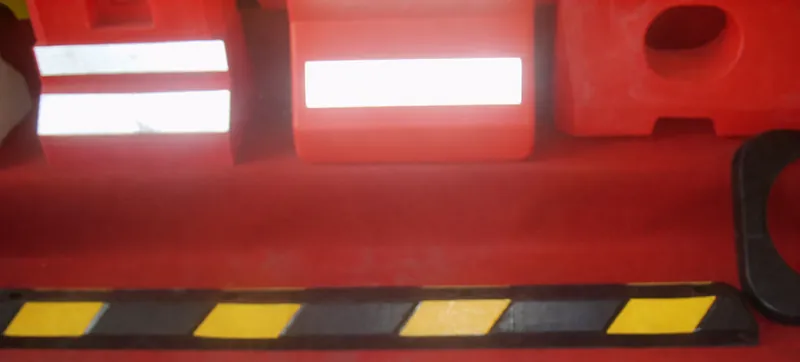
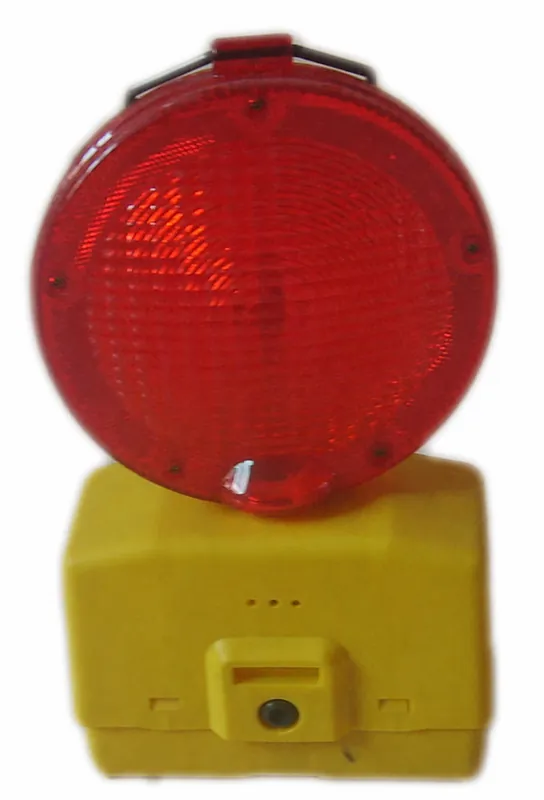
Work backward from the complete deployed roadway device
Resolve authority, control role, site position, device family, overall geometry, base or ballast, reflective layout, connectors, setup sequence, inspection evidence and packed set before approving a shape or color.
Keep components, assembled device, deployed configuration and packed set separate
A reflective sheet cannot prove a cone base is stable; an isolated post cannot prove anchoring or recovery; and an empty barrier module cannot prove interlock, fill, drain, lifting or line behavior.
01
Use cones for defined channelizing routes
Control body height, base footprint, one-piece or composite construction, collars, handhold, nesting, optional chain or light interfaces and the required complete deployed form.
02
Use triangles for portable warning sets
Define folding frame, reflective faces, hinge and lock, legs or base, opening sequence, case and set count. Separate vehicle emergency use from construction-site assumptions.
03
Use posts and modules deliberately
Delineators need stem, base or anchoring and recovery behavior. Interlocking modules need wall geometry, connectors, caps, filling, draining, lifting and line configuration.
03 / construction
Control body materials, bases, hinges, connectors and reflective components
A roadway device is an assembly. Body resin, flexible stem, weighted base, metal or polymer hinge, connector, cap and reflective element must be identified and reviewed in the complete product.
- 01Freeze component identity
- 02Assemble complete device
- 03Inspect every interface
- 04Bind evidence to revision
01
Identify body and base materials
Record supplier-declared material wording, color route, construction, mass basis where controlled, base compound and component codes. Do not infer durability, recycled content or impact behavior from appearance.
02
Map mechanical interfaces
Control cone-to-base connection, post socket, triangle hinge and lock, barrier interlock, fill cap, drain, lifting point and accessory interfaces. Preserve complete and detail views.
03
Bind reflective components
Record supplier code, color, width, placement, joining route, curvature and evidence scope. A loose strip or collar cannot represent the finished device by itself.
04 / geometry
Dimension the complete deployed product and every stability landmark
Marketing height is only one field. The drawing must govern footprint, center geometry, wall or stem profile, reflective layout, connectors, fill openings, deployed triangle and folded pack.
| Device family | Required relationship | Typical evidence gap |
|---|---|---|
| Traffic cone | Overall height, base footprint, center axis, collar position and nesting pitch are controlled together | Upright view without base dimensions or drawing revision |
| Warning triangle | Deployed side length, leg spread, hinge, lock, reflective panels and storage case are linked | Folded case shown without the locked deployed form |
| Delineator post | Stem height and section, base or anchor, connector and recovery behavior are defined | Isolated stem without its installed support interface |
| Modular barrier | Module dimensions, base, interlock, cap, drain, fill state and planned line configuration are recorded | Single empty module without connection or ballast evidence |
| Speed hump or impact module | Profile, fastening or anchor interface, end pieces, site surface and installed sequence are matched | Top view without interface or complete installed assembly |
01
Dimension the deployed form
Record overall height, width and depth; base footprint; body or panel profile; reflective landmarks; connection points and tolerances approved by the buyer.
02
Dimension stored and nested forms
Control nesting pitch, collapsed height, folded triangle, case, stack orientation, connector projection and packing envelope. Check that transport savings do not damage components.
03
Protect setup interfaces
Locate handholds, caps, drains, legs, hinges, locks, chain eyes, light mounts and interlocks. Confirm access and orientation on the exact production-intent sample.
05 / stability and deployment
Plan site-representative stability and setup trials without invented thresholds
Stability depends on device geometry, surface, wind or wake, ballast, line configuration and installation. Buyer-defined trials must identify the exact sample, setup, conditions, method and decision owner.
- 01Identify sample and surface
- 02Deploy defined configuration
- 03Run agreed disturbance route
- 04Record bounded observations
01
Define the surface and setup
Record pavement or floor type, slope, contamination, drainage, base contact, spacing, orientation, connection and fill level where applicable. Preserve the deployed configuration.
02
Define the disturbance route
Use only buyer-approved wind, tilt, pull, impact, flex, recovery or handling conditions. Record fixture, direction, duration or repetitions and raw observations without inventing pass values.
03
Inspect after the sequence
Check base movement, stem recovery, body deformation, hinge or lock, connector, cap, leak, reflective component and setup usability. State exactly what the observations represent.
06 / visibility and marking
Control color, reflective layout, identification and maintenance together
Visibility changes with viewing geometry, illumination, dirt, damage, curvature, placement and maintenance. Product markings must identify the delivered revision without implying approval that the evidence does not support.
01
Map the viewing system
Describe observer direction, light source, movement, visual background, expected obstructions and device orientation. Review the complete deployed line or set as well as individual units.
02
Inspect color and reflective layout
Check approved color reference, panel consistency, collar or face position, wrinkles, edge lift, curvature and obstruction. Route performance decisions to applicable method-based evidence.
03
Control labels and service wording
Define manufacturer or buyer identification, lot or batch route, setup instruction, warning, inspection, cleaning, storage and replacement wording supported by the exact product.
07 / inspection and packing
Connect inspection, cases, nesting and cartons to one released device configuration
The delivered product can include bodies, bases, triangles, cases, caps, connectors, labels and cartons. Release records should make all set relationships and packing assumptions visible.
| Release object | Controlled fields | Buyer decision | Status |
|---|---|---|---|
| Device role | Authority, project, road-control role, placement, observer and claim boundary | Confirms intended use and review owner | Resolved / open |
| Complete assembly | Body, base, stem, hinge, lock, cap, connector and reflective elements | Identifies the supplied construction | Matched / unmatched |
| Deployed sample | Family, dimensions, ballast or fill state, line configuration and setup revision | Links geometry to the actual site arrangement | Accepted / conditional |
| Inspection record | Setup, stability, visibility, marking, damage, owner and inspection date | Bounds the observed release evidence | Current / gap |
| Packed SKU or set | Nested or folded form, cases, labels, count, carton and released comparator | Connects the approved device to delivery | Released / hold |
01
Separate approval objects
Track raw components, assembled device, deployed configuration, stability or handling sample, labeled unit, accessory set and packed shipment as distinct records.
02
Inspect critical characteristics
Check family, dimensions, base, body, stem, hinge, lock, connector, cap, reflective placement, color, surface, labels, nesting, cases, count and visible damage.
03
Retain the released comparator
Archive complete deployed, folded, nested, connected and packed views plus controlled records. Preserve custody and revision so reorders use the correct reference.
08 / RFQ and continuity
Carry role, geometry and deployment controls into quotation comparison and reorders
Two offers are comparable only when they represent the same device role, dimensions, materials, reflective components, setup, evidence, accessories and packing. Make every substitution and reapproval consequence visible.
- 01Release one controlled RFQ
- 02Compare deployed samples and evidence
- 03Lock approved device record
- 04Reopen affected lanes on change
01
Issue one device matrix
List authority, role, family, dimensions, materials, base or ballast, reflective layout, hinges, connectors, caps, setup, evidence, labels, accessories, packing and quantity.
02
Price alternatives separately
Separate body, base, size, reflective component, connector, case, accessory and pack options. Show sampling, transport and reapproval consequences beside any saving.
03
Require change notice
No material, color, geometry, base, hinge, connector, cap, reflective component, process, site or pack change should enter production before affected owners review it.
Visibility and safety-claim boundary
Reflective bands and bright device colors support defined warning or channelizing roles only when the complete product and deployment match the responsible authority’s requirements. A component report, flash photograph or staged inspection view does not establish traffic-control approval, impact protection, accident prevention or life-saving performance for a finished device.
Route-specific FAQ
Checks before roadway device selection approval
Is a water-fillable module a crash barrier?
Not automatically. A channelizing or separating module must not be described as positive protection or crash-rated equipment without an applicable tested system and explicit evidence for the exact configuration.
Can one cone design be used in every market?
No. The buyer must identify destination rules, responsible authority, intended role, dimensions, color, reflective layout, base, deployment and evidence before approving a cone.
What must be specified for a warning triangle?
Define deployed geometry, reflective face, hinge and locking route, base or legs, stability, folding sequence, storage case, labeling and buyer-required evidence for the exact set.
How should a delineator post be selected?
Specify role, height, stem material, flexibility, base or anchor, reflective collars, connection features, surface and maintenance route. Do not infer performance from appearance.
Does heavier always mean more stable?
No. Geometry, center of mass, base footprint, material behavior, surface, wind, vehicle wake, ballast and deployment all matter. Use buyer-approved methods and thresholds only.
Can a reflective strip report certify the finished device?
No. Component evidence does not establish placement, area, adhesion, curvature, weathering, finished geometry or approval of the complete traffic device.
What should incoming and pre-shipment inspection cover?
Check family, dimensions, mass if controlled, base flatness, stem or panel condition, hinges, connectors, caps, reflective placement, labels, nesting, cases, packing count and visible damage.
What changes trigger reapproval?
Resin, recycled-content route, color, base compound, reflective component, wall construction, geometry, hinge, connector, cap, ballast route, process, site or packing changes can reopen affected decisions.
Application decision
Convert a mixed roadway-product request into a role-controlled procurement brief
Send the responsible authority, intended device role, deployment setting, destination requirements, product families, dimensions, materials, bases or ballast, reflective components, connectors, setup route, inspection plan, packing, quantity and approved claims. EverBen can organize these fields into comparable samples and release records.