
BUYING GUIDE / INTERFACE COMPATIBILITY AUDIT
How to Audit Cam Buckle Tooth, Spring and Webbing Compatibility
Published by EverBen
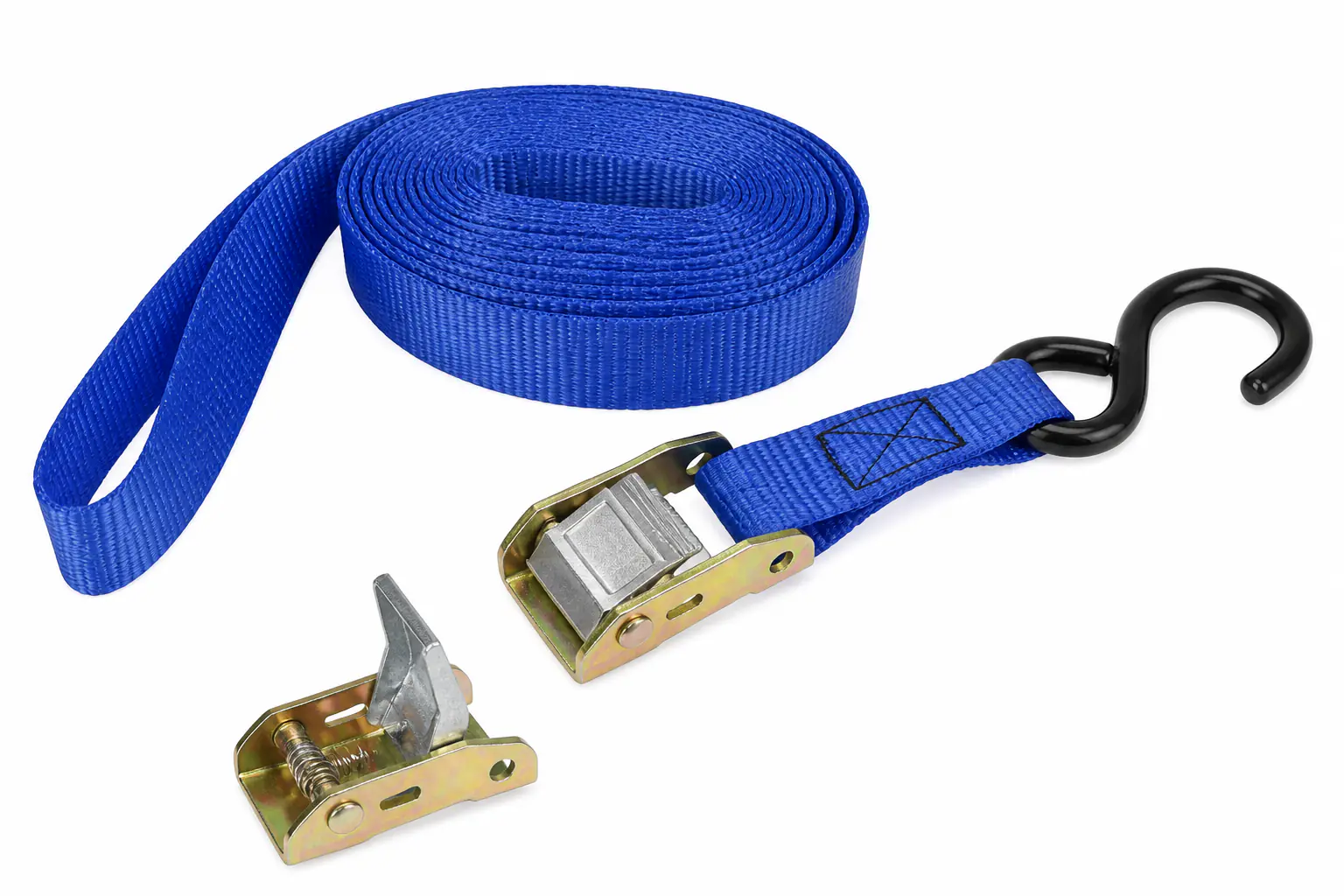
A cam buckle can look correct and still leave the critical interface undefined. A defensible review connects the tooth plate, spring return, buckle clearance, webbing construction, threading direction and observation method to one complete assembly revision.
This guide does not publish a universal test value. It shows procurement and quality teams how to frame slip, marking, wet/dry, cycle and change-control questions without converting a component sample or supplier example into approval for another product.
01 / CLAIM OBJECT
Write the Claim before Choosing the Test
Terms such as locks firmly, non-slip or gentle on cargo are not complete decisions. Translate the proposed wording into a measurable or observable object with a named destination and owner.
- 01Write exact wording
- 02Resolve assembly revision
- 03Define method and specimens
- 04Release or reject claim
01
Exact proposed wording
Capture the sentence, number, unit, condition and product destination exactly as it would appear on a page, label, drawing or instruction. A general sourcing description needs less evidence than a numeric or compliance statement. Do not let an attractive phrase determine the method after results exist.
02
Represented assembly
Resolve the wording to SKU, BOM, drawing, buckle revision, tooth plate, spring, webbing, sewing and end fittings. If a record covers only a buckle or webbing sample, label it component context. Similar appearance and nominal width do not establish equivalence.
03
Decision owner
Name who accepts the method, specimen plan, deviation, result and destination wording. Supplier documents can support review, while the buyer or qualified authority controls the intended-use decision. Unresolved points should remain conditional rather than being rewritten as pass language.
02 / INTERFACE MAP
Map Tooth Contact, Spring Return and Webbing Construction
Create a component relationship map before observing behavior. The purpose is to explain which variables are controlled and which remain outside the conclusion.
01
Tooth plate variables
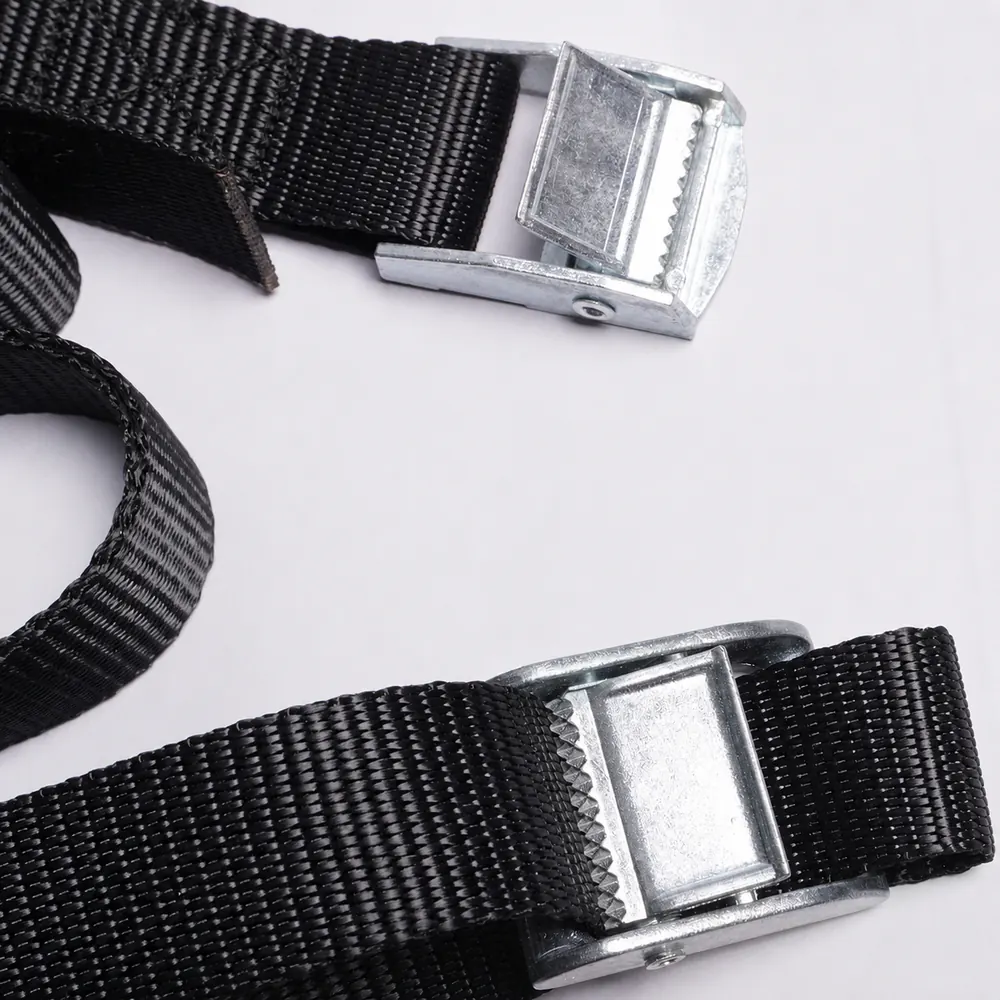
Record tooth plate part identity, tooth direction, spacing, edge condition, lever relationship and contact face. Inspect burrs or damage before testing. Avoid describing visibly aggressive teeth as better grip; the accepted interface must balance defined movement and material-condition criteria.
02
Spring and pivot variables
Identify spring and pivot revisions, assembly orientation, unloaded lever return and seating behavior. Record whether lubrication, finish or contamination controls apply. Spring rate or cycle-life conclusions require a defined method; ordinary finger operation only establishes a handling observation for that sample.
03
Webbing variables
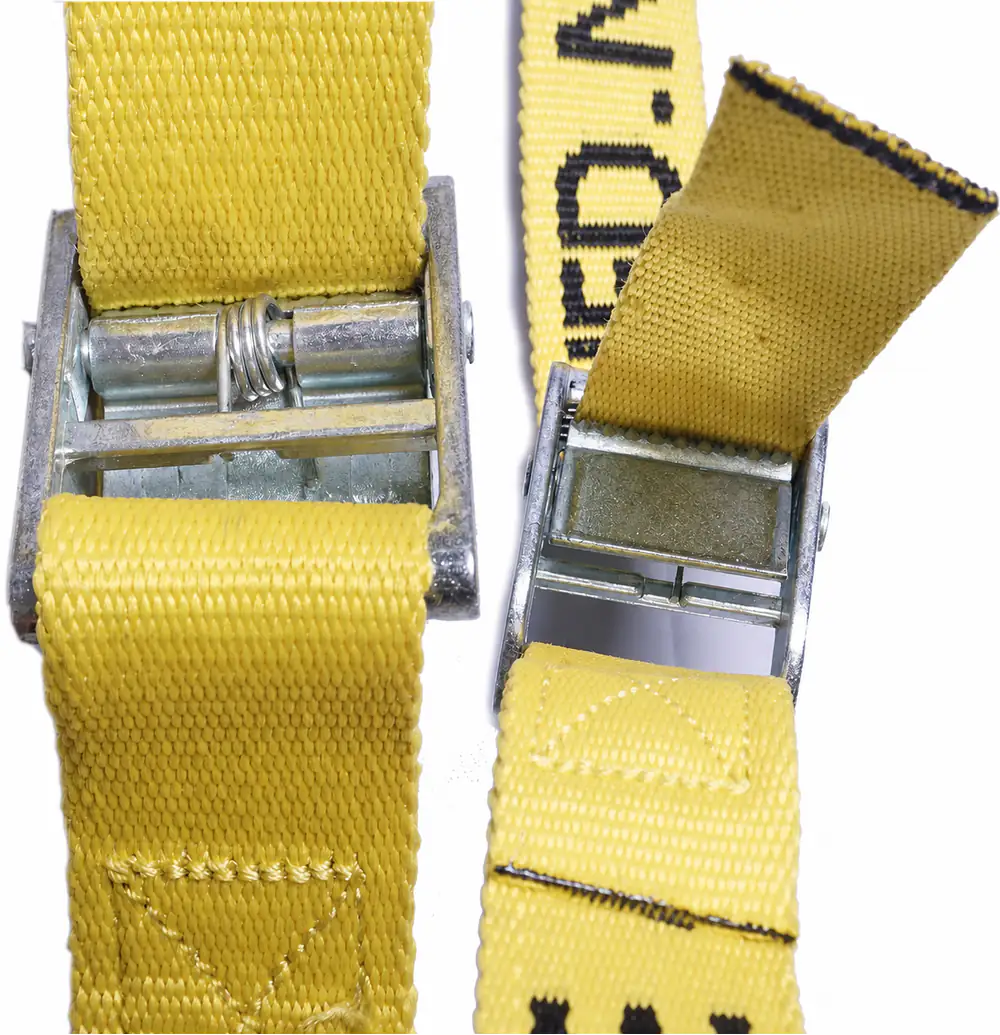
Control polymer declaration, weave, nominal width, thickness window, edge, finish, color route, lot and preconditioning. Record which face meets the teeth. A supplier's generic webbing strength document does not automatically address tooth interaction, surface marking or movement in the selected buckle.
03 / SPECIMENS
Design Specimens and Conditioning before Observing Movement
Comparability depends on controlled samples. Define the population, conditioning and preparation so a later result can be interpreted without guesswork.
- 01Identify specimens
- 02Condition defined lots
- 03Verify controls and setup
- 04Preserve the comparison record
01
Specimen identity
Give every specimen a buckle, spring, tooth, webbing lot, sewing, fitting and complete-assembly identity. Record dimensions and initial condition. When components are intentionally varied, change one defined factor or document the factorial plan so differences are not attributed to the wrong variable.
02
Condition matrix
Choose dry, wet, contaminated, temperature, aging or cycle conditions only when relevant to the claim and supported by a safe method. Define preparation, stabilization and timing. Results from one condition remain bounded to that condition unless an approved derivation explicitly supports expansion.
03
Reference and controls
Include retained reference specimens, blank fixture checks and repeated observations as the method requires. Photograph the setup and thread direction with sample identity. A control does not guarantee validity, but it helps distinguish buckle movement from fixture, measurement or preparation errors.
04 / THREADING
Control Feed Direction, Seating and Initial Tail Position
Threading changes the contact relationship. Record the sequence and initial state before any movement observation.
01
Feed direction
Document the buckle face, lever opening and path from the adjustable tail through the body. Use photographs or a controlled drawing for the exact hardware. A manufacturer instruction for its own buckle can guide the question, but it should not be copied blindly to a different construction.
02
Initial seating
Define whether slack is removed, which reference marks are set and how the tooth plate seats before observation. Separate this seating movement from later slip. Record twists, skew, folded edges or incomplete lever return as setup deviations rather than forcing the specimen into the result set.
03
Tail access
Set initial tail length, pull direction, grip method and clearance. Human hand pull varies, so a handling study should report the controlled action and operator context instead of implying a repeatable universal tension. Instrumented work requires qualified equipment and a separate approved method.
05 / OBSERVATIONS
Separate Movement, Elongation, Seating and Surface Change
A useful record distinguishes mechanisms. One total displacement or one after-photo is rarely enough to explain the buckle-webbing interface.
- 01Mark reference points
- 02Observe separate mechanisms
- 03Inspect webbing surfaces
- 04Record safe release state
| Entity | Required attributes | Evidence value | Review state |
|---|---|---|---|
| Claim | Exact phrase, condition and purpose | Defines the assertion | Clear / ambiguous |
| Interface | Tooth, spring, webbing and revision | Names the represented pair | Matched / unmatched |
| Specimen | Components, dimensions, condition and count | Defines what was examined | Equivalent / contextual |
| Method | Threading, references, sequence and deviations | Defines comparability | Applicable / open |
| Decision | Rule, destination, reviewer and released wording | Controls publication and use | Accepted / conditional / rejected |
01
Movement references
Mark webbing at defined locations relative to buckle and fixtures, then record timing and measurement resolution. Distinguish tooth-interface movement, webbing stretch, end-fitting seating and fixture deflection. State whether values are individual results, ranges or qualitative observations.
02
Surface observations
Inspect tooth impressions, yarn displacement, glazing, pulled filaments, edge deformation and coating transfer at defined times. Use neutral lighting and sample identifiers. The acceptance rule should explain which marks are expected contact and which indicate damage or unacceptable change.
03
Release observations
After the safe observation stage, document lever access, return, tail movement and remaining marks. Do not release a loaded assembly casually. The method owner should define unloading and quarantine steps, while the report keeps handling findings separate from rating or service-life conclusions.
06 / CYCLES AND EXPOSURE
Bound Wet, Contamination and Repeated-Cycle Conclusions
Real service can change friction, return and surface condition. Any exposure study must name its limits and avoid pretending to reproduce all field use.
01
Repeated operation
Define one cycle, thread state, lever movement, observation intervals, specimen count and stop criteria. Track spring return, pivot condition, tooth surface and webbing marks. Cycle results from one laboratory sequence do not equal years of service or authorize an unlimited-life statement.
02
Wet and contaminated states
Specify water or contaminant identity, application amount, dwell, drainage and retest timing when relevant. Protect personnel and equipment. Do not group rain, salt, oil, dust and cleaning chemicals into a single weatherproof claim; each condition needs its own evidence boundary.
03
Aging and storage
If heat, UV, cold, packaging compression or storage time matters, define the exposure and how specimens are returned to observation conditions. Accelerated methods need a justified relationship to the proposed claim. Visual changes can be recorded without turning them into unsupported performance predictions.
07 / DECISION MATRIX
Turn Raw Records into a Claim-Specific Decision
A report should connect evidence to the exact released wording. It should also show contextual records and gaps rather than hiding them.
- 01Map every evidence object
- 02Apply the pre-set rule
- 03Record gaps and conditions
- 04Release bounded wording
| Decision row | Required relationship | Gap indicator |
|---|---|---|
| Product identity | Claim resolves to SKU, BOM and revision | Generic or visually similar product |
| Method scope | Specimen and procedure match the conclusion | Different component, condition or edition |
| Assembly derivation | Component and connection basis is explicit | Unstated weakest-link assumption |
| Destination | Rule and responsible reviewer are named | Certificate treated as universal approval |
| Continuity | Batch, change and reorder controls preserve validity | Silent substitution remains possible |
Work backward from the proposed compatibility statement
Resolve the phrase to a destination decision, method, specimen, complete assembly revision and tooth-spring-webbing records.
Keep unresolved relationships visible
Contextual documents can guide questions, but they do not inherit a pass from another buckle, webbing or market.
01
Evidence relationship
Map each record to assembly revision, specimen, method, condition, result and claim destination. Note when a component record only provides context. A certificate date or laboratory logo does not cure an identity mismatch between the tested object and delivered SKU.
02
Acceptance rule
Apply the buyer-approved quantitative or qualitative rule without changing it after results are known. Record deviations, exclusions, sample count and uncertainty as relevant. A conditional decision should retain its conditions wherever the claim is used.
03
Released wording
Publish only the statement supported by the relationship map and approved for the destination. Keep stronger supplier language outside the page, label or instruction unless it closes the same object and method. Link the final wording to revision and reviewer.
08 / CONTINUITY
Preserve Compatibility through Production and Reorders
Compatibility evidence remains useful only while the represented assembly stays controlled. Build receiving, lot, retention and change triggers into the program.
01
Receiving identity
Verify buckle, tooth, spring, pivot, webbing, finish and sewing sources against approved records. Use lot fields that can be traced into finished assemblies. A component that fits nominally should remain quarantined if its revision or source has not been approved.
02
Production checks
Translate critical interface features into incoming and in-process observations with named frequency and disposition. Retain representative records or samples as agreed. Routine checks preserve identity and workmanship; they do not replace the separate evidence required for published performance claims.
03
Change and retirement
Trigger review when hardware, spring, tooth, webbing construction, supplier, finish, dimension, sewing, method, claim or destination changes. Define how obsolete stock, documents, artwork and online wording are withdrawn. Change approval must occur before mixed production reaches shipment.
Limits of compatibility research and supplier examples
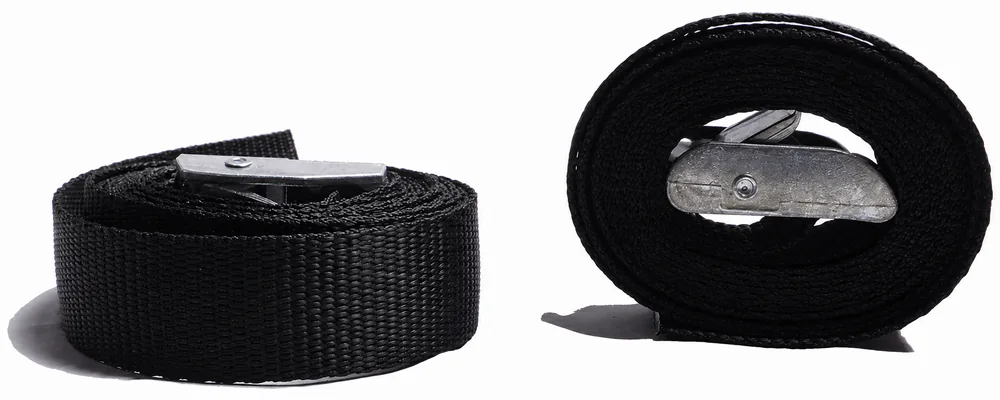
For a cam-buckle assembly, bind the buckle body, tooth profile, spring return, webbing specimen and routing geometry to the tested sample. Record seating, contamination state, cycling sequence, slip observation, date and exact option; do not transfer one result to another buckle, webbing, end fitting or route.
Route-specific FAQ
Checks for complete-assembly evidence review
What does a cam buckle spring prove?
A spring can return the lever and help seat the tooth plate, but spring presence or visible return does not prove retention, rating, service life or suitability under the buyer's conditions.
How should slip be defined?
Name the reference points, initial seating, applied method, duration, specimen condition, cycle state and movement threshold. Separate buckle-interface movement from webbing stretch, fixture movement or end-fitting seating.
Why test more than one webbing lot?
Width, thickness, weave, finish, dye route and surface can vary. A lot plan helps show whether the chosen buckle-webbing window remains controlled, but the sampling and acceptance rule must be defined by the buyer.
Can a component certificate qualify the complete strap?
Not by itself. The certificate must be mapped to the represented object and combined with evidence for connections, webbing, fittings and the complete assembly as required by the released claim.
When should compatibility be reviewed again?
Review again after changes to buckle, tooth, spring, pivot, webbing source or construction, finish, dimensions, sewing, end fittings, method, claim wording or destination requirements.
Evidence decision
Build an evidence chain for one buckle-webbing pair
Send the exact assembly revision, buckle and webbing identities, proposed claim, specimen conditions, thread-in route, observation method, destination and decision owner. The review will separate supported conclusions from contextual documents and open gaps.