EverBen | reusable hot and cold packs | Wholesale OEM

Reusable Hot and Cold Packs & Cooling Wraps

This wholesale range covers reusable gel pouches, textile cooling collars, long wraps, headbands and bottle sleeves. Define use, conditioning route, pouch and fill identity, dimensions, seal architecture, textile assembly, labels and packing before sample approval.

Send quantity, specification, logo, packing and destination to marketing@rainwear-manufacturers.com or WhatsApp 13833124686.

  • MOQ confirmed by specification
  • Sample and written specification before bulk
  • Factory quote with QC and export packing
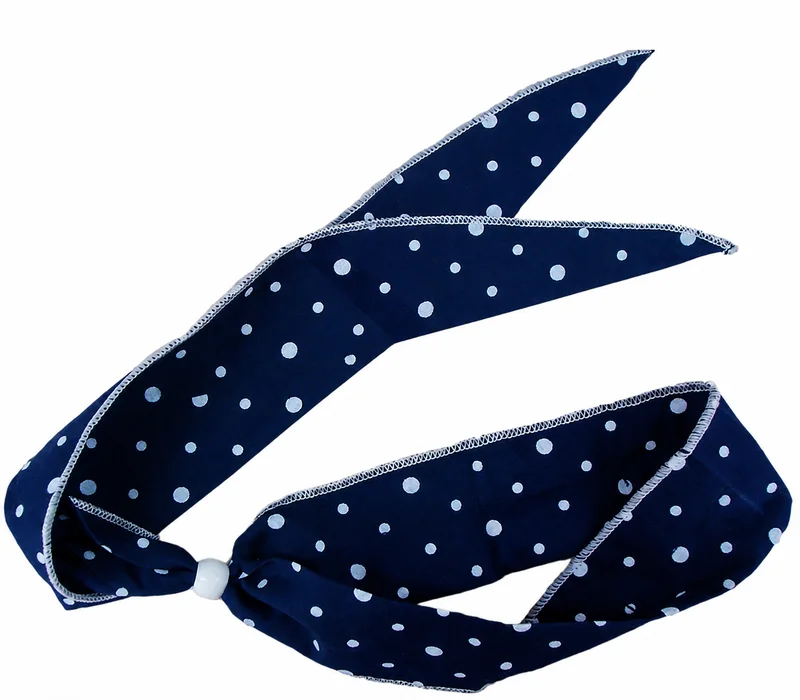
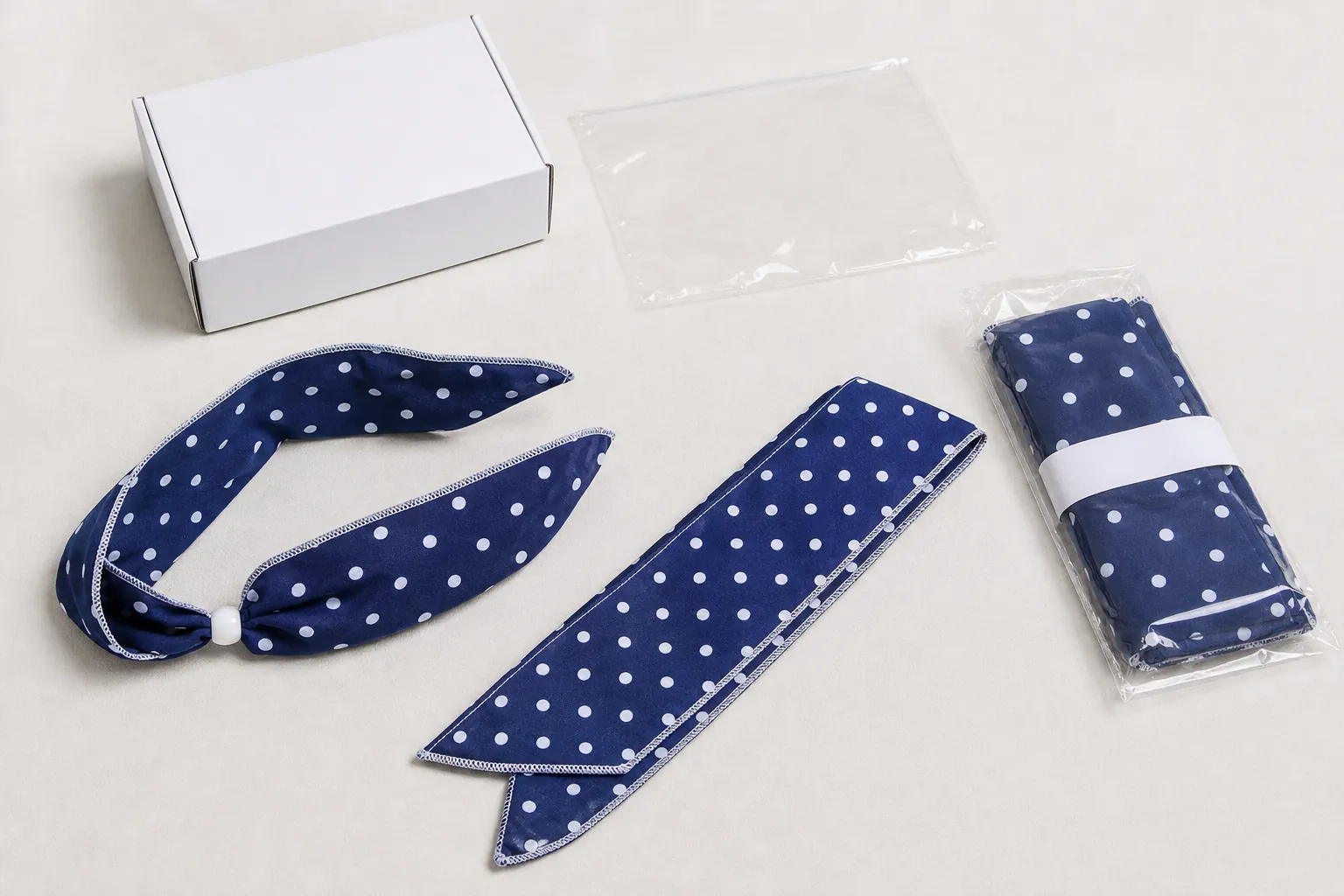
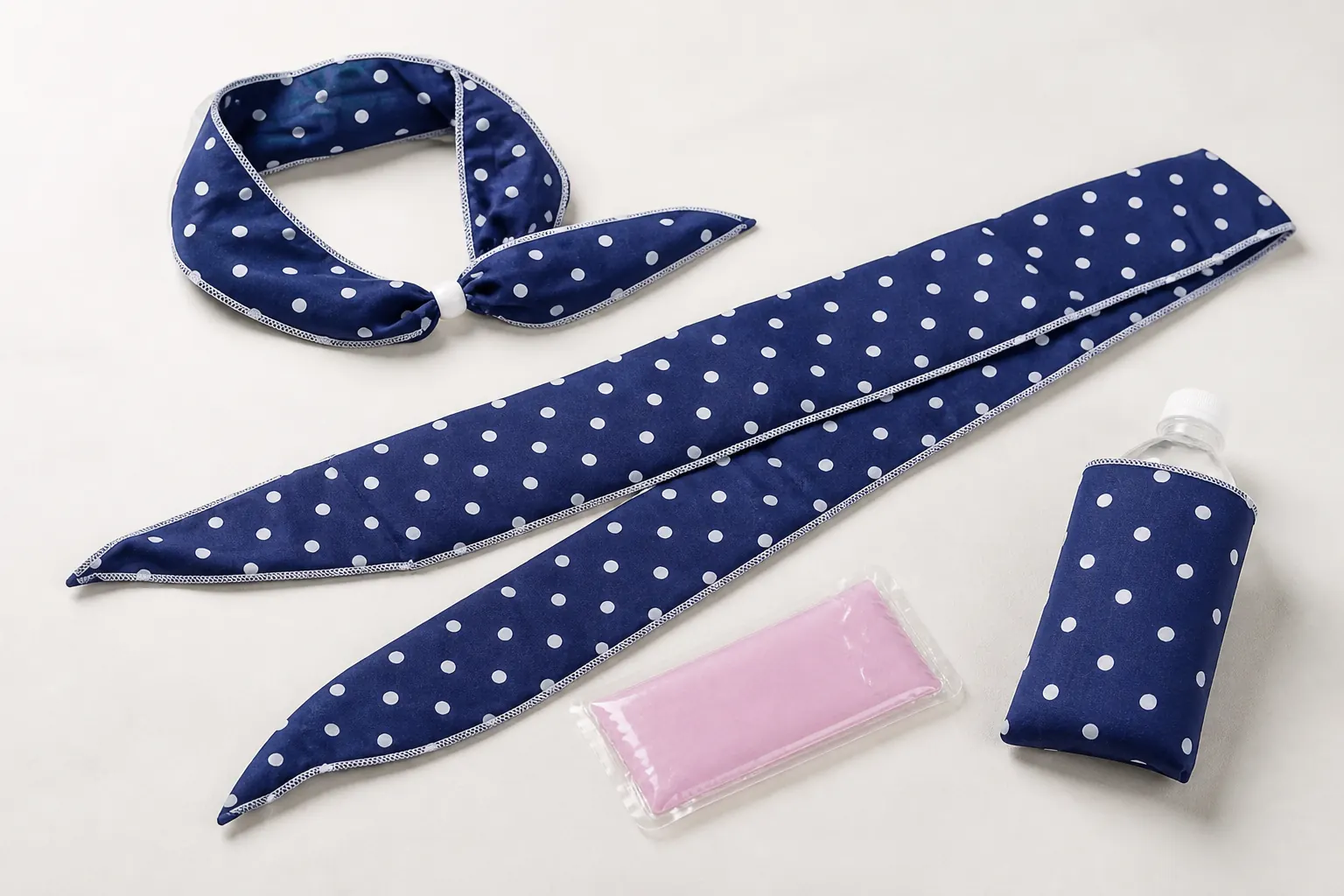
Complete unbranded hot and cold wrap assortment with a navy cooling collar, long wrap, gel pouch and bottle sleeve

Choose the right pouch, collar, wrap or bottle sleeve

Promotional hot and cold packs, cooling wraps and related sleeves form a controlled flexible-pouch and textile-accessory program. Buyers can route event, retail and private-label requirements by intended use, body or bottle contact, reusable format, component identity, conditioning instruction, pack-out and destination review.

A hot-and-cold accessory program separates fill and pouch identity, perimeter seals, textile sleeve or collar construction, activation or conditioning route, non-medical use boundary and leak-evidence ownership. Bottle sleeves and wearable wraps remain distinct complete products with their own sample and packing decisions.

Specification framework for an accurate quotation

The product name identifies the buying intent, but the quotation must define the variables that control function, appearance and price. Use the following framework to compare suppliers on the same basis.

Specification itemRecommended purchasing definition
Product categoryreusable gel pouches, curved neck pieces, extended textile bands, cooling headwear and insulated bottle holders
Material routedeclared flexible pouch film and fill system, with buyer-approved textile sleeve or wrap components where required
Constructionfinished pouch geometry, perimeter seal, compartment layout, textile seams, closure, edge finish and pack orientation
Evidence focusdimension consistency, seal continuity, fill containment, closure placement, textile workmanship and defined conditioning observations
Customizationformat, dimensions, compartments, sleeve fabric, closure, colors, artwork zone, labels and retail or bulk packing
Quality controlpouch and wrap measurements, seals, fill amount, textile seams, closure, appearance, labels and packing count
MOQConfirmed after specification review
Commercial detailsQuantity, packing, destination, Incoterm, sample route and required delivery date

Materials and construction decisions

Identify the flexible pouch film, fill system and textile component separately. Record supplier or grade reference, thickness or weight basis, color, surface and approved comparator as applicable; a broad material nickname cannot control a repeat order.

Construction planning should map finished pouch dimensions, fill zone, seal width landmarks, corners, compartment divisions, textile envelope, closure and edge finish. A change to any controlled component can reopen quotation, sampling, conditioning and leakage evidence.

How to select the right configuration

Start with the non-medical use, contact route, conditioning method, handling sequence and destination market. Then select a bare pouch, sleeved pack, neck wrap, headband or bottle sleeve and define the dimensions, compartments, closures and evidence that belong to that format.

  • Artwork and label approval should record the exact file, dimensions, colors, location, tolerance, process and one approved production-material sample.

Do not select only by unit price. A lower quote may use a different material, smaller dimensions, lighter components, reduced workmanship, simpler packing or no testing allowance. Ask every supplier to quote the same revision of the specification and list exclusions in writing.

OEM and private-label customization

Development choices include pouch size, compartment layout, fill amount, textile cover, wrap length, hook-and-loop or tie closure, edge finish, color, label and unit packing. Approve artwork on the actual pouch or sleeve material because surface, coating and conditioning can alter adhesion and appearance.

Size or dimension changes should be controlled in a table rather than through names such as standard, large or heavy duty. The table should state the measurement method, unit, target and tolerance. Packaging artwork, warnings and barcode data need their own approval before printing.

Manufacturing workflow from RFQ to shipment

  1. Requirement review: confirm target use, market, quantity, material, dimensions, construction, branding, packing, compliance and delivery date.
  2. Technical clarification: identify missing measurements, incompatible options and claims that need a named test method.
  3. Quotation: state unit basis, MOQ, sample terms, tooling if applicable, packing, Incoterm, payment terms and quotation validity.
  4. Sample approval: approve material, color, dimensions, function, logo and packing against one revision-controlled specification.
  5. Pre-production control: release approved materials, artwork, labels and process instructions to production and inspection teams.
  6. Bulk production: monitor incoming material, first output, critical process points and corrective actions.
  7. Final inspection and shipment: inspect the agreed sample size, close nonconformities, verify count and packing, then release shipping documents.

EverBen's supplier profile includes 20+ years of manufacturing and export experience. Buyers can request current documents that match the facility, product scope and validity period of their program.

Quality-control plan for repeatable orders

A useful control plan names the observation, method, tolerance, sample level and owner. For these pouches and wraps, inspect finished dimensions, fill amount, seal continuity, compartment alignment, textile seams, closure position, appearance, labels and packing count against the approved revision.

StageControl focusBuyer record
Incoming materialIdentity, dimensions, color, surface and required document matchApproved material or signed specification
First outputConstruction, measurements, function and branding before full productionFirst-piece approval record
In-processCritical assembly points, workmanship, component placement and process stabilityInspection checklist and corrective action
Final inspectionQuantity, dimensions, function, appearance, labels, packing and carton marksFinal inspection report

Compliance and claim management

Document needs depend on destination, declared pouch and textile materials, contact route, use wording and product classification. Name the represented construction, test method, sample revision and responsible laboratory or reviewer before relying on any result.

Use and performance wording must stay within the approved conditioning, leakage and material evidence for the exact pouch or assembled wrap. Changes to film, fill, seal, textile, closure, label or production route can reopen the affected decision.

Packaging, storage and shipment planning

Define a protective pack-out for every format: state whether the unit lies flat or folds, where the label remains visible, how filled zones are supported, and how many pieces share each inner and master carton. Release the layout only after the physical packed unit shows acceptable clearances around seals and closures.

Conditioning, handling, care, warning and disposal text should be reviewed against the final pouch, fill, sleeve and closure combination. Link the approved label and packing revision to the same product specification and purchase order.

Price, MOQ, samples and delivery

Price is calculated after material, dimensions, construction, quantity, customization and packing are defined. MOQ is confirmed after specification review. Final quantity breaks may change when custom material, printing, hardware or retail packaging requires its own production minimum.

Sample and bulk dates should be written as calendar commitments after technical details are complete. Buyers should distinguish existing samples, custom development samples, pre-production samples and shipment samples because their purpose, cost and timing are different. The commercial offer should also identify the Incoterm, shipment destination and document requirements.

Common sourcing mistakes to avoid

  • Requesting a price before dimensions, material, quantity and packing are defined.
  • Approving a sample without linking it to a dated specification and artwork revision.
  • Using broad adjectives instead of measurable requirements and test methods.
  • Changing material, size mix, branding or packing after bulk materials have been released.
  • Assuming a factory audit proves product compliance or that one test covers every future order.
  • Comparing quotations that use different Incoterms, carton quantities or excluded costs.

RFQ checklist for a mixed temperature-pack program

Send the following information in one message: product name or item code; intended use; destination market; quantity; material requirement; dimensions or size range; construction options; color; logo artwork; label and instruction language; individual packing; carton rules; compliance list; destination; Incoterm; and required delivery date.

Email marketing@rainwear-manufacturers.com or use WhatsApp 13833124686. A complete brief allows EverBen to return a quotation that purchasing teams can compare and production teams can follow.

Frequently asked questions

Which specification fields must identify each ordered format?

The specification identifies pack format, intended conditioning route, pouch material, fill declaration, finished dimensions, perimeter seal, textile cover, closure, labeling and packing. The approved sample and test plan must refer to the same revision.

Can the material, size, color and logo be customized?

Yes. Buyers can define pouch geometry, textile sleeve, compartment layout, closure, color, unbranded artwork zone, label set and unit packing. Feasibility, MOQ and cost follow the complete material and construction brief.

What is the minimum order quantity?

MOQ depends on material, dimensions, color, customization and packing. Send the intended specification and quantity so EverBen can confirm a realistic starting quantity.

How is bulk quality controlled?

The control plan covers pouch dimensions, fill amount, seal continuity, textile seams, closure placement, appearance, labels and pack count. Conditioning and leakage checks must identify the exact sample revision and method.

Can EverBen provide a pre-production sample?

Yes. The sample should confirm material, dimensions, construction, color, branding and packing. Bulk production should follow the approved sample and one controlled specification revision.

Which compliance documents should a buyer request?

Required documents depend on destination, contact route, pouch and textile materials, labeling and the exact product use. Request current evidence that names the ordered construction, represented test method and applicable supplier.

How should the product be packed for export?

Approve export presentation from a complete packed item. Record its fold sequence, protective bag size, label location, inner count, master-carton configuration and the barcode revision tied to that arrangement.

What information is needed for an accurate quotation?

Send quantity, target market, material, dimensions or size range, construction options, logo artwork, packing, compliance list, destination and required delivery date to marketing@rainwear-manufacturers.com.

Request a specification-based quotation

Send item format, quantity, destination, drawing revision, material choices, decoration file and shipment presentation to marketing@rainwear-manufacturers.com.

Email Call WhatsApp