
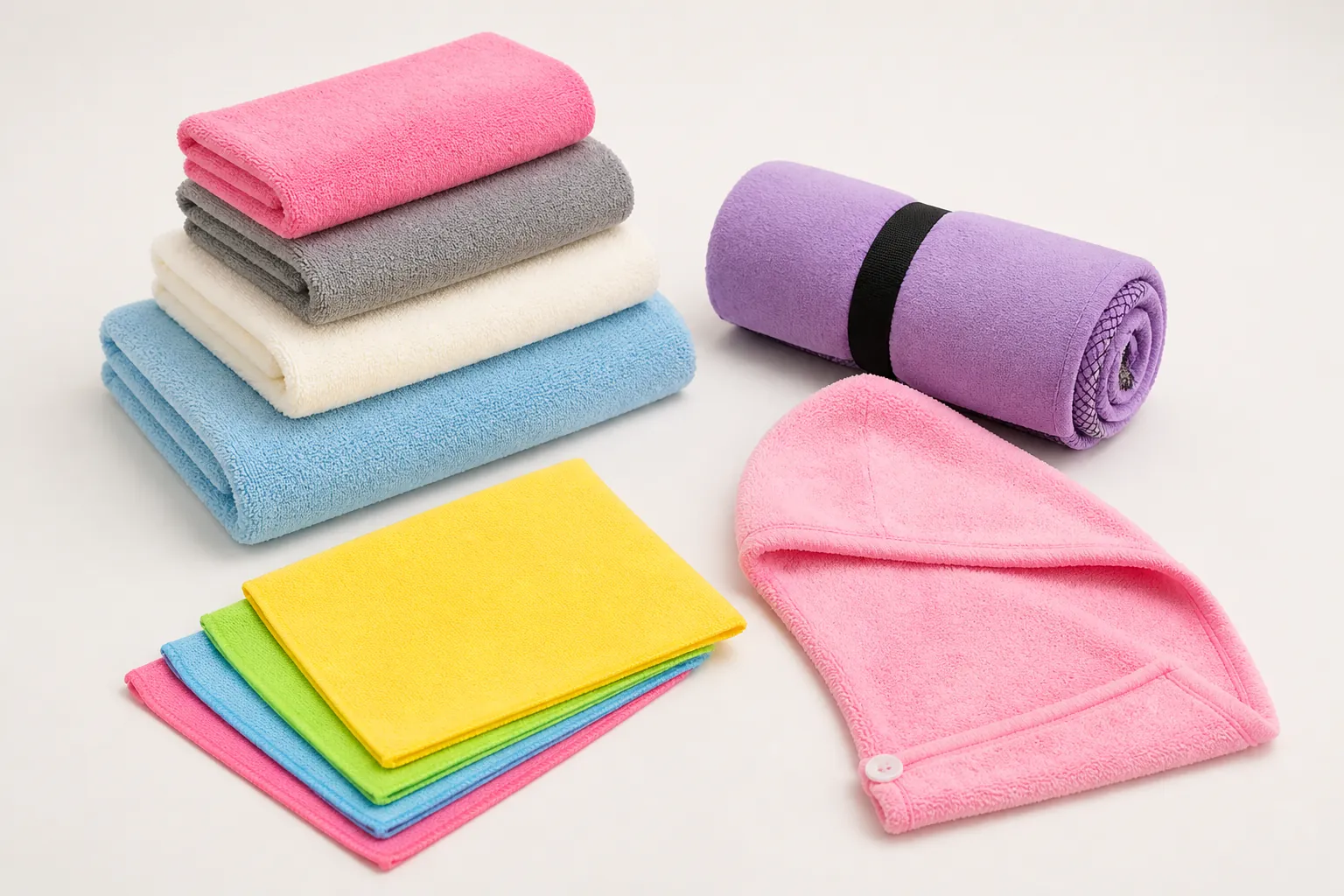
Define the Contacted Surface and Wiping Motion
Paintwork, glass, hair and general drying place different demands on a cloth face. Name the surface, liquid or soil and whether the motion is wiping, blotting, wrapping or absorbing before selecting texture.
A buyer may request a trial on a representative surface using an agreed conditioning state. The observation applies to that towel and method; it does not establish scratch safety or absorbency for every material.
Distinguish Loop, Pile and Smooth Faces in the Specification
Photographs should identify the intended working side and any different reverse face. A coded textile reference can record yarn route, construction, visible pile character and color without claiming an unverified composition.
If one face changes during development, repeat the relevant task observation. Similar color and hand feel are not enough to treat two cloth constructions as equivalent.
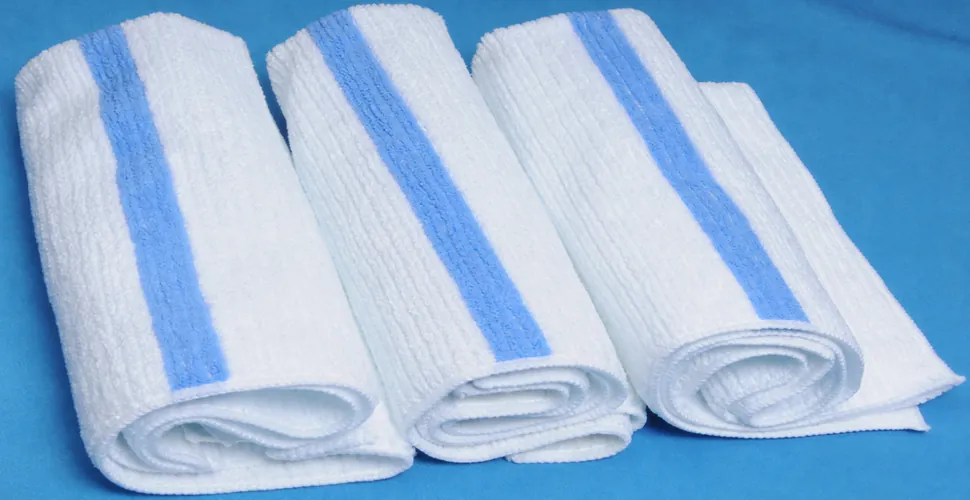
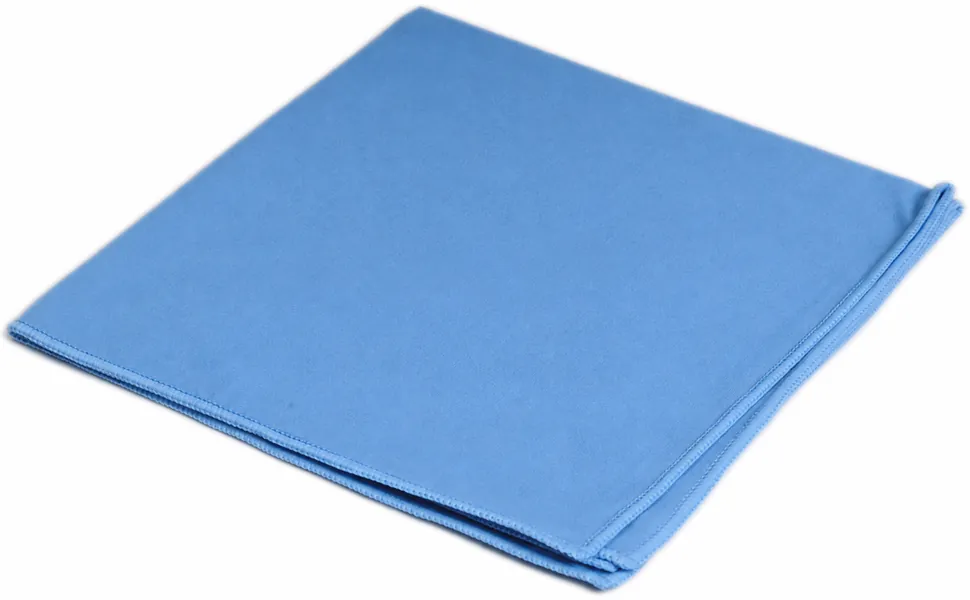
Measure Finished Size after the Agreed Conditioning Step
State whether dimensions are taken before washing, after one defined cycle or after another buyer-selected sequence. Record length and width datums together with the condition of the cloth during measurement.
Mass information also needs a named method and state. The sample file should avoid using GSM as a stand-alone promise when pile, knit, edge and moisture condition differ.
Select an Edge that Suits the Intended Contact
Overlock, binding, ultrasonic cutting or another confirmed finish changes thickness and feel around the perimeter. Place the edge route on the sample record and inspect corners for continuity.
For delicate contact tasks, the buyer can compare both the working face and perimeter against the representative surface. That bounded check is more useful than a general soft-edge adjective.
Use Color Coding without Confusing Textile Revisions
Allocate each shade to a cleaning zone, user group or assortment only after the buyer confirms the purpose. Shade references should be connected to the same cloth construction rather than approved as isolated color chips.
Brand marks, care content and barcodes require readable placement that does not consume the main working face. Decoration trials should be washed with the cloth when laundering is part of the approved use.
Build the Wash and Dry Method into Sample Review
Record water condition, detergent restriction, temperature, drying route and number of cycles selected by the buyer. Inspect the conditioned towel for dimension change, edge behavior, color transfer and visible lint.
A different laundry program can produce a different observation. Care wording should therefore mirror the reviewed sequence and avoid implying durability beyond it.
Check Cloth Identity before Counting Packed Units
Incoming textile identification, cutting dimensions, edge continuity and color allocation can be checked before folding. Final review adds visible contamination, decoration, care label and pack count.
Define severe findings for the intended surface separately from appearance variations. The inspection record should identify the sample state so a dry cloth is not compared with a damp reference.
Tie Drying, Lint and Surface Claims to a Method
A meaningful drying comparison names the liquid amount, contact area, cloth conditioning and observation time. Lint evaluation likewise needs a selected substrate and motion.
Changing yarn, finish, dye route or edge can reopen the comparison. Marketing text must stay within the measured cloth and must not borrow a result from another towel family.
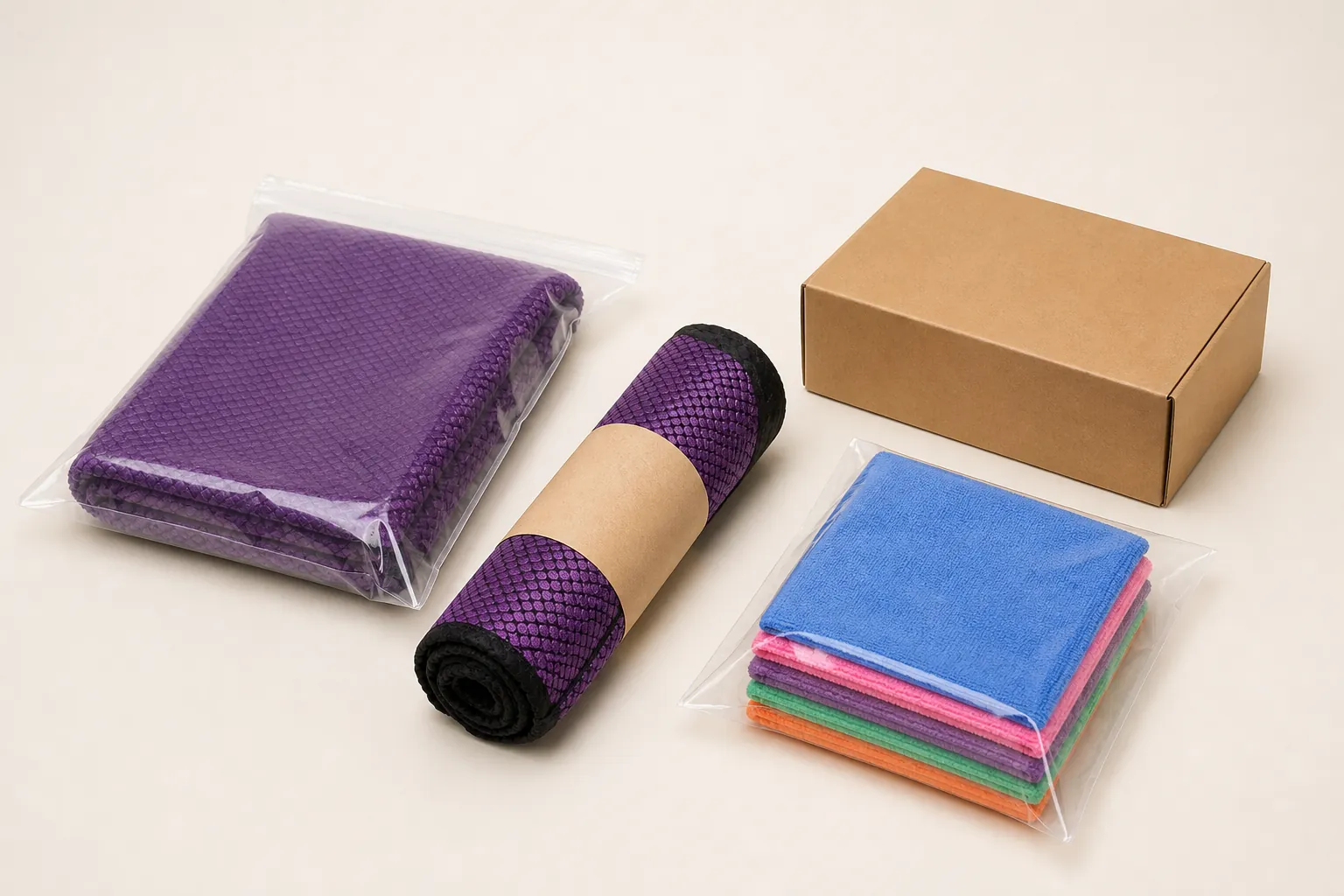
Protect a Clean Working Face through Folding and Packing
Agree which face turns inward, whether individual protection is needed and how color-coded SKUs are separated. The fold should not hide the identifying label required at receiving.
Carton allocation can list cloth code, color, size, fold, inner count and destination. A packed reference supports warehouse checks while keeping the approved working surface clean.
Price the Towel Construction and Laundry Evidence as One Route
Compare offers by textile reference, finished conditioned dimensions, face, edge, decoration, color assortment, laundering work and packing. A lower figure may omit the conditioning or test sequence.
Minimums follow textile and color availability plus edge and branding setup. The final schedule starts from an approved conditioned sample and confirmed assortment rather than a generic towel promise.
Submit a Microfiber Cloth Use Profile Questions
What information identifies the working face of a microfiber towel?
Record the intended side with photographs, construction reference, pile description, edge and the exact surface task used for review.
When should microfiber towel dimensions be measured?
Use the buyer-agreed state, such as unwashed or after a named wash-and-dry sequence, and write that condition beside each dimension.
Does one lint result cover every microfiber color?
Not automatically; colorant, finish and textile revisions may change the cloth, so the result remains tied to the tested variant and method.
What should a microfiber RFQ include?
Provide contacted surface, wiping action, textile and face preference, conditioned size, edge, colors, branding, wash method, quantity, fold, carton plan and destination.
Submit a Microfiber Cloth Use Profile
Send the surface, soil or liquid, face construction, finished size, edge route, laundering method, color plan, quantity and pack style to bulktowel@customtowelmanufacturer.com.