
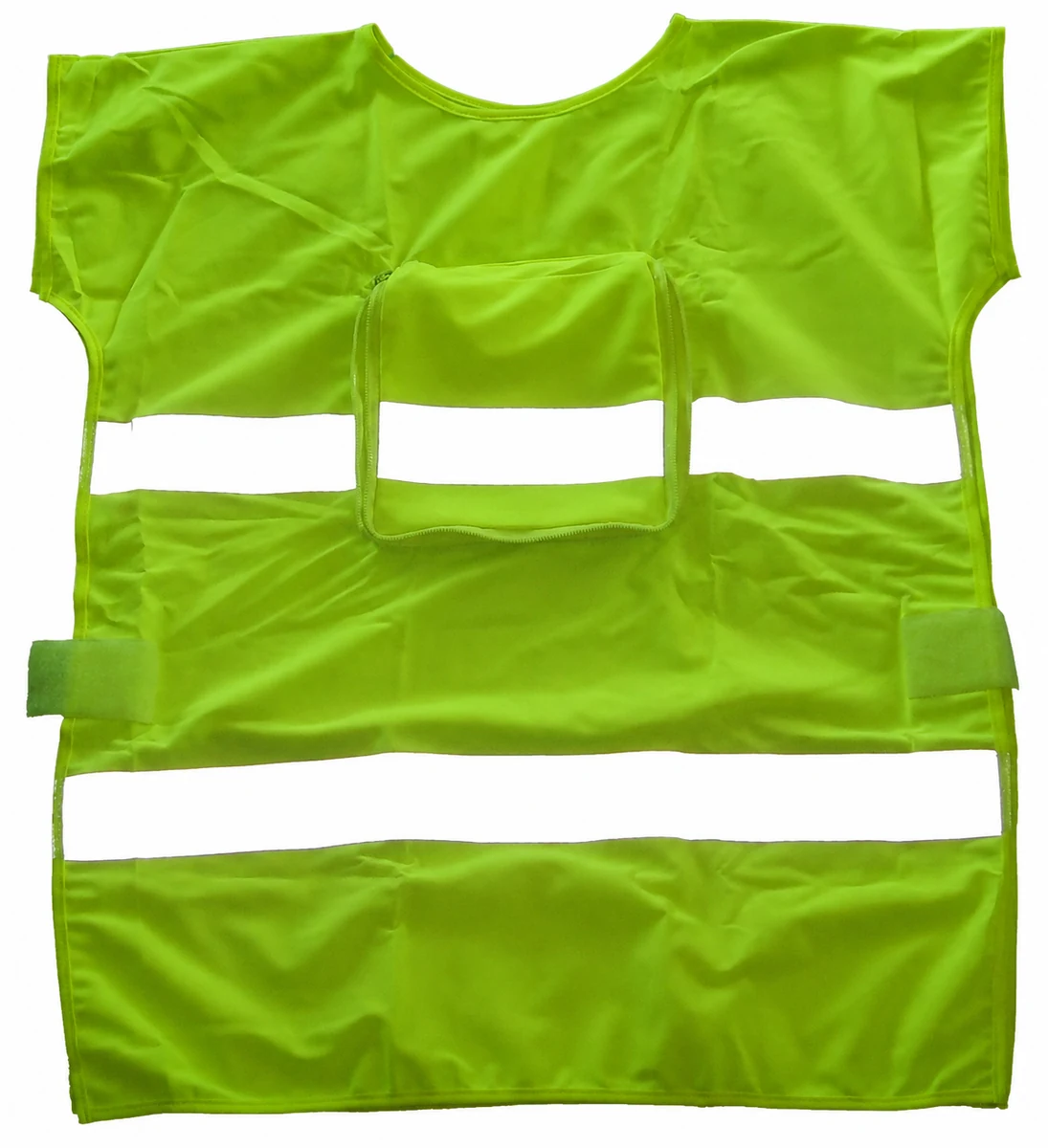
Define the Wearer, Layering and Work Environment
Record whether the vest is worn over light clothing or bulky outerwear, how the user moves, and where visibility is sought. These conditions guide cut, arm opening, length and closure decisions.
A bright color or reflective-looking band does not by itself establish compliance. The buyer must name any destination rule and the evidence expected for the final garment.
Control Body Panels and Conspicuity Geometry on One Drawing
The vest layout should show front, back and side relationships, including band widths, spacing, orientation and interruption at seams or closures. Every placement datum belongs to a named size.
If pockets, logos or fasteners alter a band route, review the revised complete drawing. Visual balance cannot replace the measurements required by the buyer’s program.


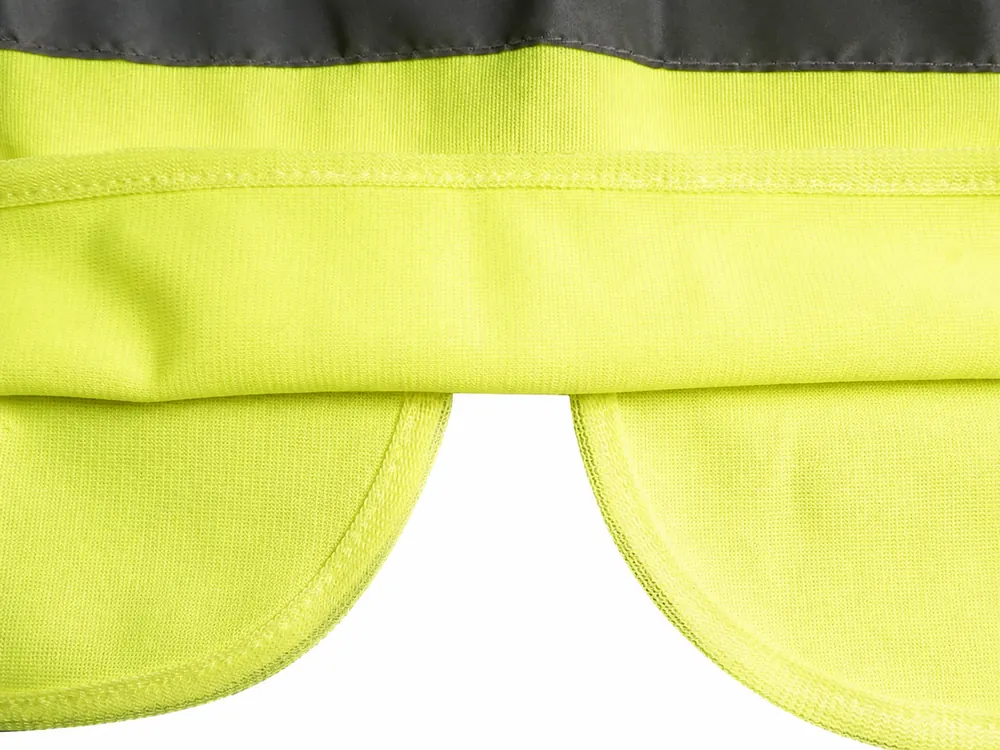
Identify Body, Band, Binding and Closure Components Separately
Use component codes for the fluorescent or colored body, conspicuity material, edge binding, zipper or hook-and-loop and labels. The bill of materials should not collapse those parts into a generic safety fabric line.
A substitute band or body textile may change appearance, sewability and evidence scope. Reopen sample and document review before accepting the change.
Grade Chest, Length and Openings for the Intended Layers
Set finished measurement points for chest circumference, body length, shoulder and arm opening as applicable. The base garment should be tried over the stated clothing condition.
Review a size set using the production component layout. Band placement and closure overlap may shift during grading, so measurement checks must extend beyond the base size.
Position Logos without Obscuring Required Garment Features
Artwork dimensions and location should be approved on the vest drawing and then on a complete sample. Keep decoration clear of closures, labels and any controlled conspicuity geometry.
Printed identity, care information and destination labeling use separate controlled files. A campaign logo approval does not release regulatory wording.
Observe Band Attachment, Binding and Closure during Assembly
First output review can check component identity, band orientation, stitch path, edge finish and fastener alignment. A layout reference at the sewing station reduces accidental reversal or spacing drift.
In-process measurement should use the same garment datums as the buyer’s drawing. Corrective action remains linked to the affected size and operation.
Inspect Garment Geometry before Evaluating Pack Count
The inspection plan may cover finished measurements, band width and location, body shade, binding continuity, closure, labels, decoration and workmanship. Each check needs a defined observation or tool.
Evidence-based performance work is separate from routine visual inspection. The final report should not convert appearance checks into a certification statement.
Keep Visibility and Protective Claims inside the Documented Scope
Any cited standard or laboratory result must identify the exact garment configuration, materials, layout, test method and validity relevant to the order. The page makes no automatic certification claim.
A color, band, closure, pocket, logo or factory change may affect applicability. Buyers should review current documents against the ordered SKU before release.
Preserve Band Surfaces and Size Identity in Packing
Choose a fold that avoids sharp compression across conspicuity components and leaves the size or item label accessible. Separate colors and size ratios according to the purchase-order allocation.
Carton marks can connect vest code, layout revision, size range, color and count. A sealed pack reference supports receiving without hiding the approved garment identity.
Compare Vest Offers by Layout and Evidence Responsibility
Require the quotation to list body, band, binding, closure, sizes, decoration, document scope and packing. This shows whether two offers represent the same garment architecture.
Starting quantities follow component availability, color and size mix plus any evidence work. The production calendar begins after layout, materials, size set and required documentation are accepted.
Send the Vest Layout and Evidence Scope Questions
Does a fluorescent vest appearance prove a standard?
No; any standard statement must be supported by current evidence tied to the exact materials, garment layout, method and order scope.
How is reflective or conspicuity band placement controlled?
Use a complete front-and-back drawing with named widths, spacing, orientation and measurement datums for each applicable size.
Which vest changes can reopen evidence review?
Body textile, band identity, color, geometry, closure, pocket, decoration or production-route changes may affect applicability and should be checked.
What should a high-visibility vest RFQ contain?
Provide wearer and layers, environment, destination requirement, layout, body and band references, closure, measurement chart, sizes, artwork, quantity and pack.
Send the Vest Layout and Evidence Scope
Provide wearer, work context, destination requirement, body and band references, placement drawing, closure, sizes, artwork, quantity and packing to marketing@rainwear-manufacturers.com.